The Lancet medical journal recently published a report highlighting significant challenges faced by the humanitarian aid system across the globe. Dr. Paul Spiegel, a co-author of the report and professor at Johns Hopkins University, shared insights with Fox News, stressing the inadequacy of the current aid system. He mentioned that the current system is not equipped to handle the scope and severity of modern emergencies.
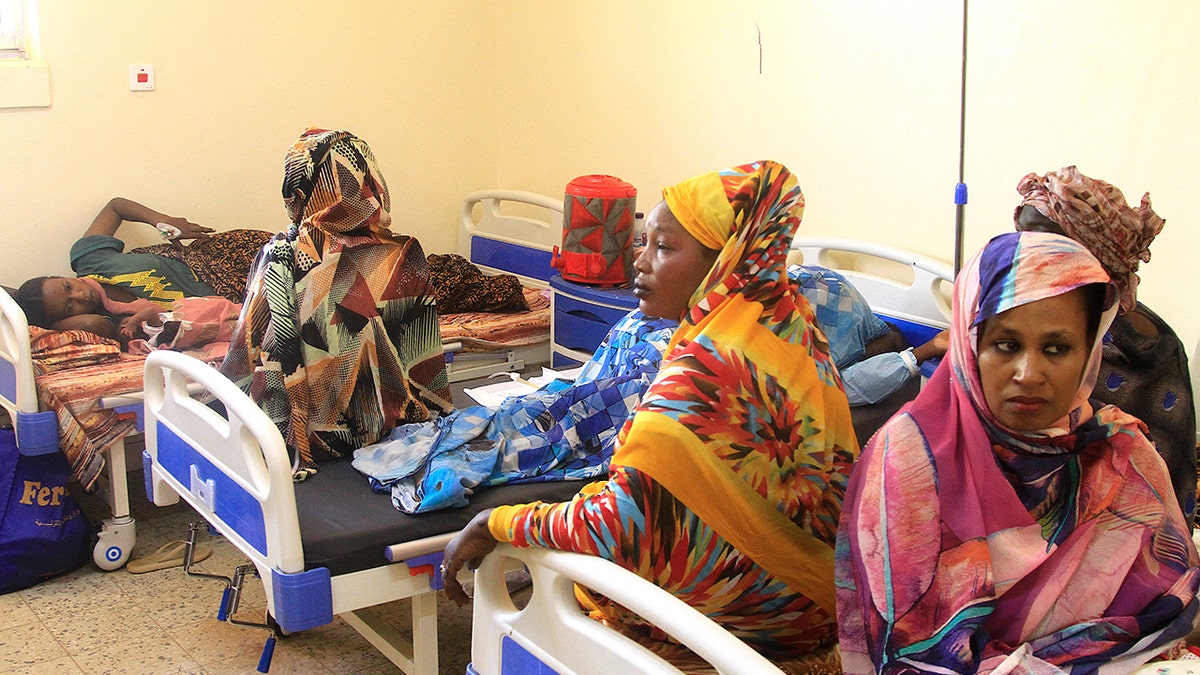
In Sudan, one of the world’s most dire situations unfolds as a brutal civil war forces millions from their homes. Hospitals have shut down, and famine is becoming more prevalent. Despite existing knowledge on life-saving methods, the experts behind the report indicate that the system is faltering.
Titled ‘Health in a World of Crises and Impunity,’ the report critiques the inefficiency and bureaucracy of some agencies. It calls for a complete overhaul of the humanitarian aid framework. Furthermore, it highlights the need for United Nations reform and critiques the U.S. for the abrupt closure of the United States Agency for International Development (USAID). This decision, made during the Trump Administration amid accusations of fraud and abuse, is seen as a political and moral failing. Key programs have since been shifted to the State Department.
Discussing the current state of USAID and the United Nations, Spiegel emphasized the necessity for strategic restructuring. Any changes should prioritize protecting vulnerable populations worldwide. The report advocates for direct aid delivery to local communities, increased accountability for blockade of aid, and recognition of healthcare as a fundamental human right.
Dr. Spiegel has over 30 years of experience in refugee camps and war zones. He underlines the urgent need for a thorough rebalancing of the humanitarian system to serve the populations it is meant to assist effectively. These proposed reforms are essential to enhance the delivery and impact of humanitarian aid globally.
Leave a Reply