Immigration attorney Angel Leal Jr. has experienced significant changes in his life due to identity theft. He describes those responsible as ‘subhuman,’ exploiting vulnerable individuals who are afraid within the community. Leal’s identity, including his voice, has been cloned using artificial intelligence to deceive immigrants looking for legal status adjustments.
Leal practices in Doral, Florida. His likeness and professional reputation are being used to scam hispanic communities. Fraudulent activities include contracts with his firm’s logo, faked signatures, mimicked websites, and illusionary immigration hearings promising citizenship or residency. This fraudulent deception has deeply affected Leal, especially because it targets a community he is committed to serving.
The Federal Trade Commission recorded over 1 million identity theft reports in the U.S. last year, with losses upwards of $3.5 billion. This reflects a nearly 20% increase from the almost $2.95 billion reported the previous year. In May, the FBI in Chicago also issued warnings about scammers impersonating lawyers and officials nationwide.
According to the Transactional Records Access Clearinghouse (TRAC) at Syracuse University, the immigration court system had 3,318,099 active cases by the end of February, with over 70% relating to asylum seekers waiting for hearings. The demand well exceeds the supply of legitimate legal services.
“There is a lot of fear because of Trump’s immigration policies, and that’s why many people want to fix their status,” remarked Adonia Simpson, deputy director at the American Bar Association (ABA).
Simpson states that immigration fraud is not a new issue. However, AI and social media escalate its impact. Manipulated videos and fake profiles now promise outcomes like citizenship without real processes. She notes that technology has increased the ability of scams to appear legitimate to frightened victims.
Fake Promises, Real Consequences
Angel Leal’s online presence made him an attractive target for scammers. They hijack real videos, altering them to promise impossibly fast legal resolutions. Leal notes that scams typically start on social media, move to private messaging, and end with requests through platforms like WhatsApp.
He was forced to close his firm’s WhatsApp communications and hire experts to tackle fake profiles. Despite investing thousands in protection, Leal and his team remain overwhelmed, often fielding calls from people defrauded before reaching his office.
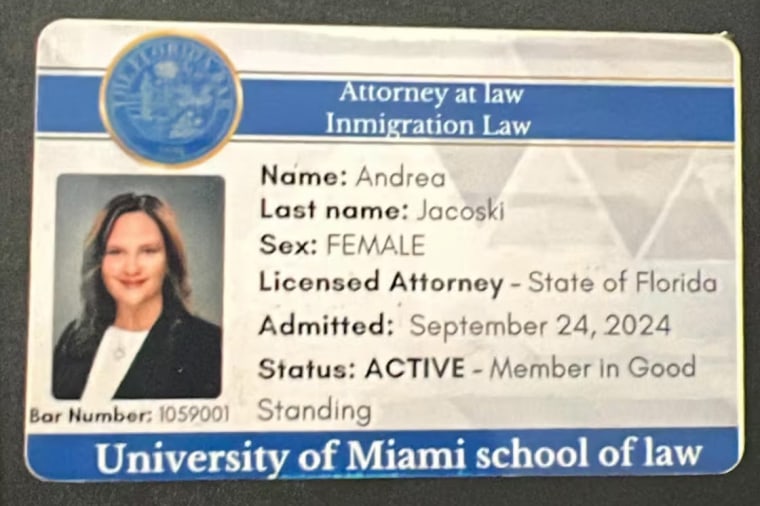
Andrea Jacoski, associate director at the University of Miami’s Immigration Clinic, faces a similar situation. Individuals contact her under the false impression that she provided them legal services due to fraudsters using a fake ID with her details to exploit victims.
Fraud Targeting Organizations
Organizations are also vulnerable. In 2024, the ABA received inquiries about case statuses they weren’t handling, revealing that scammers had fabricated contracts with the ABA’s logo to legitimize their deceit.
Eric Barragán Ramírez of Catholic Charities discovered fraudsters using his name. They created a fake website using real Justice Department accredited representative profiles. The goal was to exploit the appearance of legitimacy.
Other law firms like Diener Law face similar issues, underscoring the problem. Their marketing teams battle fake social media accounts luring potential clients into scams.
The Human Cost
Expert opinions agree that financial losses are grave, but the potential for deportation or denial of legal status is more critical. Misrepresentation in cases can lead to irreversible deportation orders. Victims might unknowingly possess forged documents, believing them to be legitimate.
Barragán highlights that scammers often prey on low-income individuals unfamiliar with digital literacy. Many are too afraid to report scams out of fear of their precarious immigration status.
Federal responses include ongoing investigations. U.S. Citizenship and Immigration Services has vowed to combat immigration fraud aggressively.
The Texas Bar Association noted increased complaints, illustrating the surge in unauthorized legal practices. Meanwhile, Leal collaborates with authorities to combat fraud, advising clients to diligently verify their sources.
An initial report of this situation appeared in Noticias Telemundo.
Leave a Reply