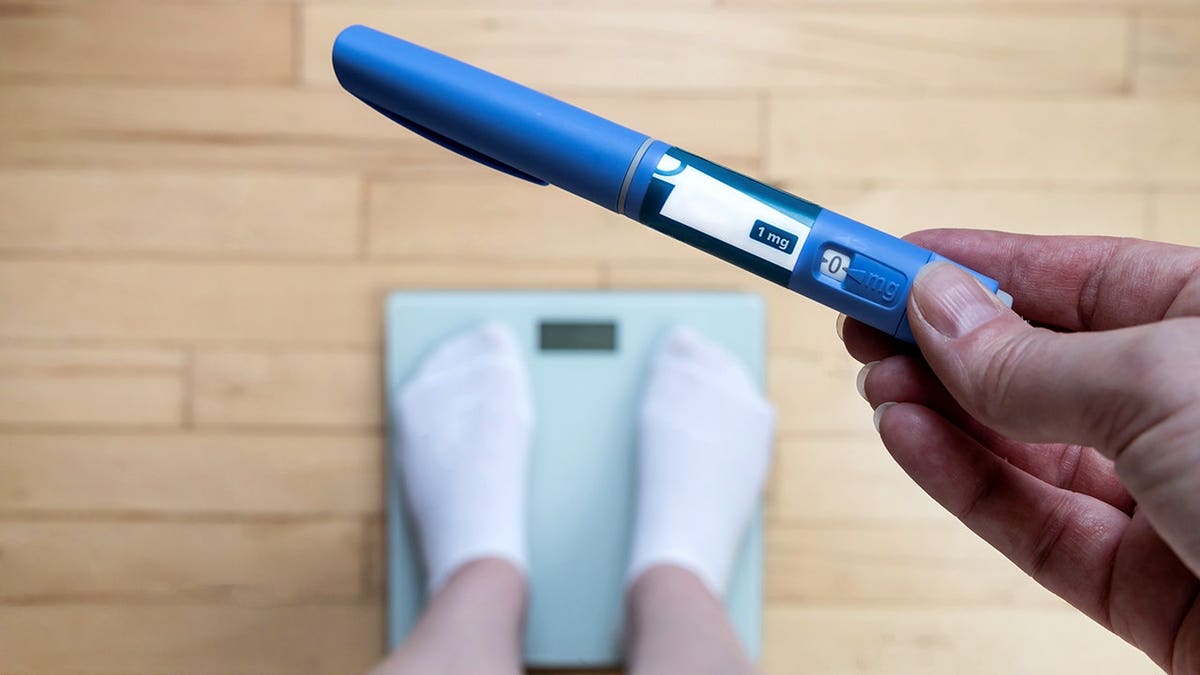
A recent study indicates that weight loss related to GLP-1 may enhance women’s relationships and job status. Rebecca Diamond, an economics professor at Harvard University, conducted research aligning weight-loss medications with changes in women’s social and economic situations.
The research drew on the Understanding America Study by the University of Southern California. It compared women who began GLP-1 medications for weight loss to those interested but not yet started. Factors analyzed included body mass, health, income, employment, partnership status, and well-being prior to treatment.
The study centered on women, who are more likely to use GLP-1s for weight loss than men. It excluded those taking the medication for diabetes due to distinct medical motivations. Women who achieved weight loss through GLP-1 medications showed changes in employment and relationship status.
During this research, marriage and cohabitation increased by 29% in single women within 18 months. Women not working at the study’s start saw a 27% rise in job prospects over the same period. However, employed women did not show evident career advancement.
“Part of the ‘female obesity penalty’ comes from societal judgments in match situations, such as job interviews or dating,” noted Diamond. “The findings highlight societal bias more than the medication itself.”
Dr. Peter Balazs, a hormone and weight-loss expert, shared insights on the findings. “Effects surface in new situations like job interviews or dating,” he explained. Balazs added, “Weight loss typically boosts confidence, enhancing potential in business and relationships. Hormonal normalization, psychological relief, and metabolic stabilization also contribute.”
Dr. Krishna Vyas, a New York plastic surgeon, noted a confidence increase in post-weight-loss patients. However, the study didn’t show clear improvements in depression, loneliness, or life satisfaction, despite rising marriage and employment rates.
The research has limitations due to its observational nature, showing correlation, not causation. It remains preliminary as the paper lacks peer review. Moreover, focusing solely on women introduces potential bias, and self-reported data adds another variable. Researchers couldn’t confirm if new job opportunities equated to higher earnings.
Overall, while outcomes improved on paper for GLP-1 users, it didn’t equate to higher reported life satisfaction, sparking questions about the true impact on well-being.
Leave a Reply