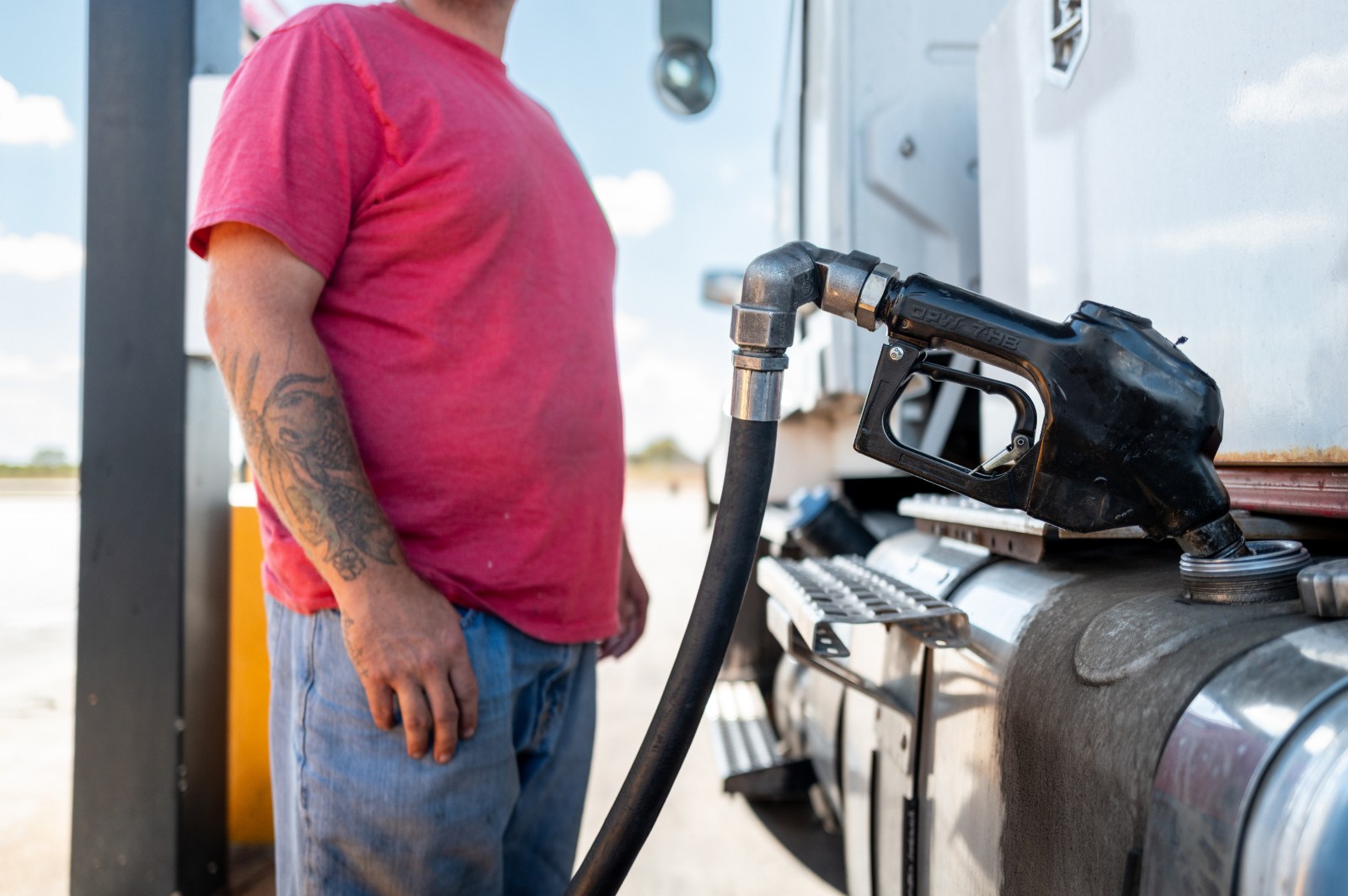
Claims have been spreading across social media that truckers in the U.S. are planning a national strike on October 1 due to escalating diesel prices. However, there is limited evidence of an organized strike at this point. Diesel prices have hit a record high of $6.51 per gallon. Videos and AI-generated posters suggest that truckers are frustrated and could take action, potentially disrupting freight deliveries and causing food shortages.
The Owner-Operator Independent Drivers Association (OOIDA) told Newsweek that the strike discussions seem confined to social media, although they are monitoring the situation. The rapid spread of these claims could inspire real-world action despite the current lack of organized efforts. Truckers face genuine financial challenges as diesel prices rise, making it hard for some to keep their trucks operational.
OOIDA highlighted that fuel costs are one of the highest expenses for owner-operators who own or lease their trucks and manage their business costs. Small business truckers make up over 90% of the U.S. trucking companies and are the first affected by price spikes. They often operate load-to-load and cannot raise rates as easily as larger competitors. While oil companies have seen significant profits this year, small trucking businesses struggle with shrinking profit margins due to diesel costs.
Organizations like the American Trucking Associations and the Teamsters, along with labor experts and the U.S. Department of Transportation, have been contacted for comments. Diesel prices have soared, averaging around $6.51, compared to $5.58 a month prior and $3.70 the previous year, according to AAA. This increase is largely due to the conflict initiated by President Donald Trump with Iran, which disrupted oil supplies, affecting prices globally. Relief seems unlikely soon as the conflict persists.
The rumor of a strike began with a video on Instagram by red_pill_patriot_1776, where a man claimed truckers were planning to strike unless fuel prices decreased. This message spread quickly, with further posts predicting an October 1 strike. Although there is little confirmation of a planned strike, videos show truck drivers pleading with Trump to address the issue. For example, one video viewed over 325,000 times features a driver urging Trump to act, citing diesel surpassing $6 a gallon. Another video by The Tennessee Holler compiled clips of dissatisfied drivers, many of whom had previously supported Trump.
Interviews by More Perfect Union with Colorado truckers reveal how drastically fuel prices impact their work. One trucker mentioned needing $1,200 for a full tank, highlighting the financial strain.
The ability of truckers to replicate the strikes of the 1970s is complicated today by industry changes. Back then, the Teamsters Union represented over 60% of drivers, which allowed significant mobilization. Since deregulation began in the late 1970s, union representation has declined. Today, the trucking sector includes more than 350,000 independent contractors, making collective action challenging.
Although an organized strike remains uncertain, the burden of soaring fuel prices on truckers continues to grow, and they search for possible solutions.
Leave a Reply