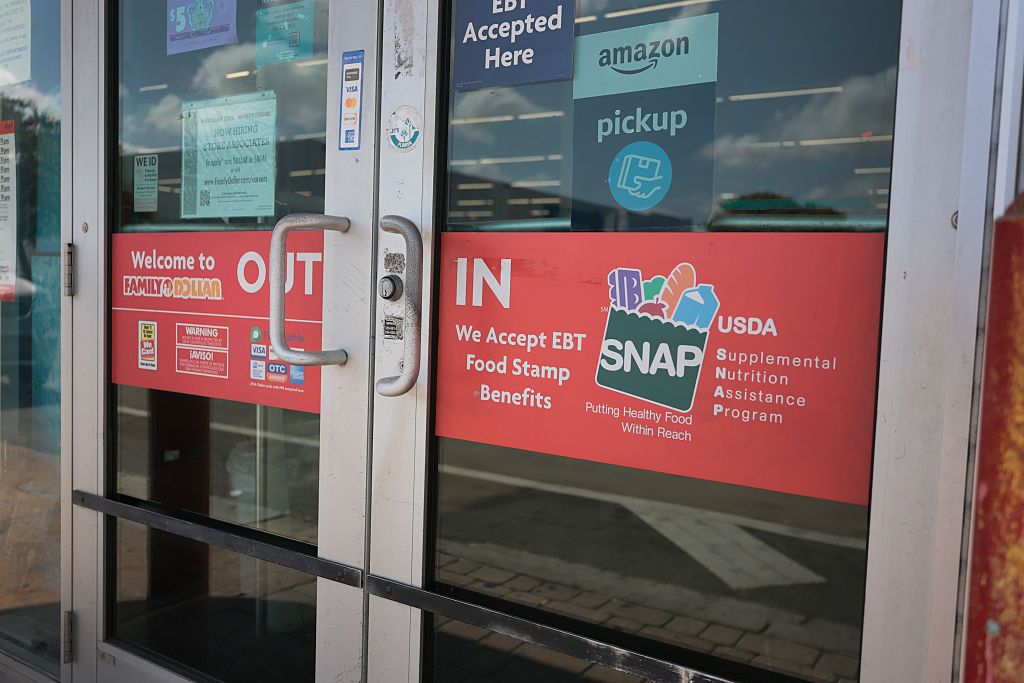
Millions of Americans, including approximately 2 million children, have been removed from the Supplemental Nutrition Assistance Program (SNAP) since President Donald Trump made significant changes to the program in July 2025. This decline raises concerns as states prepare to implement new Medicaid work requirements in January, potentially disrupting health coverage for families losing food assistance. Although children are not subject to tougher SNAP work requirements, changes affecting parents and caregivers can impact household benefits. Connections between SNAP and Medicaid eligibility systems may create additional challenges for low-income families.
SNAP participation dropped by 5.5 million people, or 13%, between July 2025 and July 2026, reaching its lowest point in 17 years at 36.1 million participants. The Center on Budget and Policy Priorities (CBPP) estimates about 2 million children lost benefits. Additionally, Georgetown University Center for Children and Families reported a decrease in Medicaid and CHIP enrollment among children by 2.56 million between January 2025 and August 2026.
Reasons for Decline in SNAP Benefits
The 2025 reconciliation law changed SNAP eligibility, work-related rules, and program administration, accelerating the decline. The CBPP notes that while unemployment remained stable at around 4% nationally from July 2025 to July 2026, SNAP participation fell in every state except Alaska. Gina Plata-Nino from the Food Research & Action Center highlighted the burden of reporting requirements for families with children over 14, risking loss of food assistance relied on to make ends meet.
Plata-Nino emphasized that participation in SNAP can also aid children in accessing other nutrition programs, and losing SNAP benefits may risk access to school meals, affecting children’s nutrition, health, and learning. The Trump administration argued that the decline cannot be attributed to a single policy. A USDA spokesperson stated SNAP remains an appropriated entitlement, ensuring benefits for eligible households.
“Funding for SNAP has not decreased as it is an appropriated entitlement,” said the USDA spokesperson. “Participation changes due to various reasons, not a specific policy,” they added.
Impact of Work Requirements
Dr. Lee Bowes, CEO of America Works, pointed out that reporting work hours differs from offering employment support, citing barriers such as childcare, transportation, caregiving, and inconsistent work hours. Bowes shared an example of a worker losing SNAP support when unable to meet required hours due to external disruptions.
A job disruption outside a person’s control can leave them without both wages and food support, creating further challenges,” Bowes stated.
SNAP vs. Medicaid and CHIP Enrollment
Comparing food and health assistance reveals disparities, with SNAP enrollment falling faster than Medicaid and CHIP. In 26 states, 1.6 million fewer children participated in SNAP from January 2025 to May 2026, a 15.7% decline. Meanwhile, Medicaid and CHIP saw a 6.3% decline. Arizona showcased stark differences with child SNAP participation halved between January 2025 and May 2026, opposed to a 12.2% decline in Medicaid and CHIP. Unlike these health programs, SNAP lacks a universal 12-month protection against coverage loss, making households vulnerable to eligibility changes.
Financial Impact on Families
For marginalized families, losing food assistance often means sacrificing spending on other key expenses. Financial educator Michael Ryan explained, “Dinner can’t wait, so grocery money is taken from whatever bill has leeway, often utilities, car payments, or gas.” Ryan warned that such trade-offs can create further complications down the line.
Resolving eligibility issues also incurs costs in time and money, further straining families,” Ryan added.
Pressure on Food Banks
Triada Stampas, President and CEO of Fulfill in New Jersey, shared how disruption in SNAP drives families to seek aid from food pantries. Fulfill’s operations expanded significantly, accommodating nearly 150,000 people monthly, a 34% increase from the previous year and almost triple the pre-pandemic figures. Over 40,000 New Jersey residents exited SNAP since the preceding summer, and Stampas noted many face challenges understanding work requirements or documentation processes.
“SNAP disruptions ripple through the system, affecting other essential services including school meals,” she stated.
Emerging State Responsibilities and Costs
Starting October 1, 2027, states will bear part of SNAP benefit costs pegged to payment error rates. The CBPP estimates this could accrue $9 billion in expenses, pressuring states to boost payment accuracy. Lawmakers have proposed 100 new bills across 35 states responding to SNAP changes, potentially imposing further barriers for eligible families. Reduced federal funding for state SNAP administrative costs adds to financial pressure during the transition.
Introduction of Medicaid Work Requirements
From January 1, 2027, states must apply new Medicaid work requirements to certain adults, requiring 80 hours of employment or other qualifying activities monthly. The Trump administration advocates the policy as promoting economic independence. Yet overlap between SNAP and Medicaid raises concerns about indirect effects on families, as outlined by the Georgetown University Center for Children and Families.
The center believes the marked decline in SNAP serves as a caution as Medicaid implementation proceeds, indicating potential impacts on children’s coverage due to parental loss of eligibility.
Leave a Reply