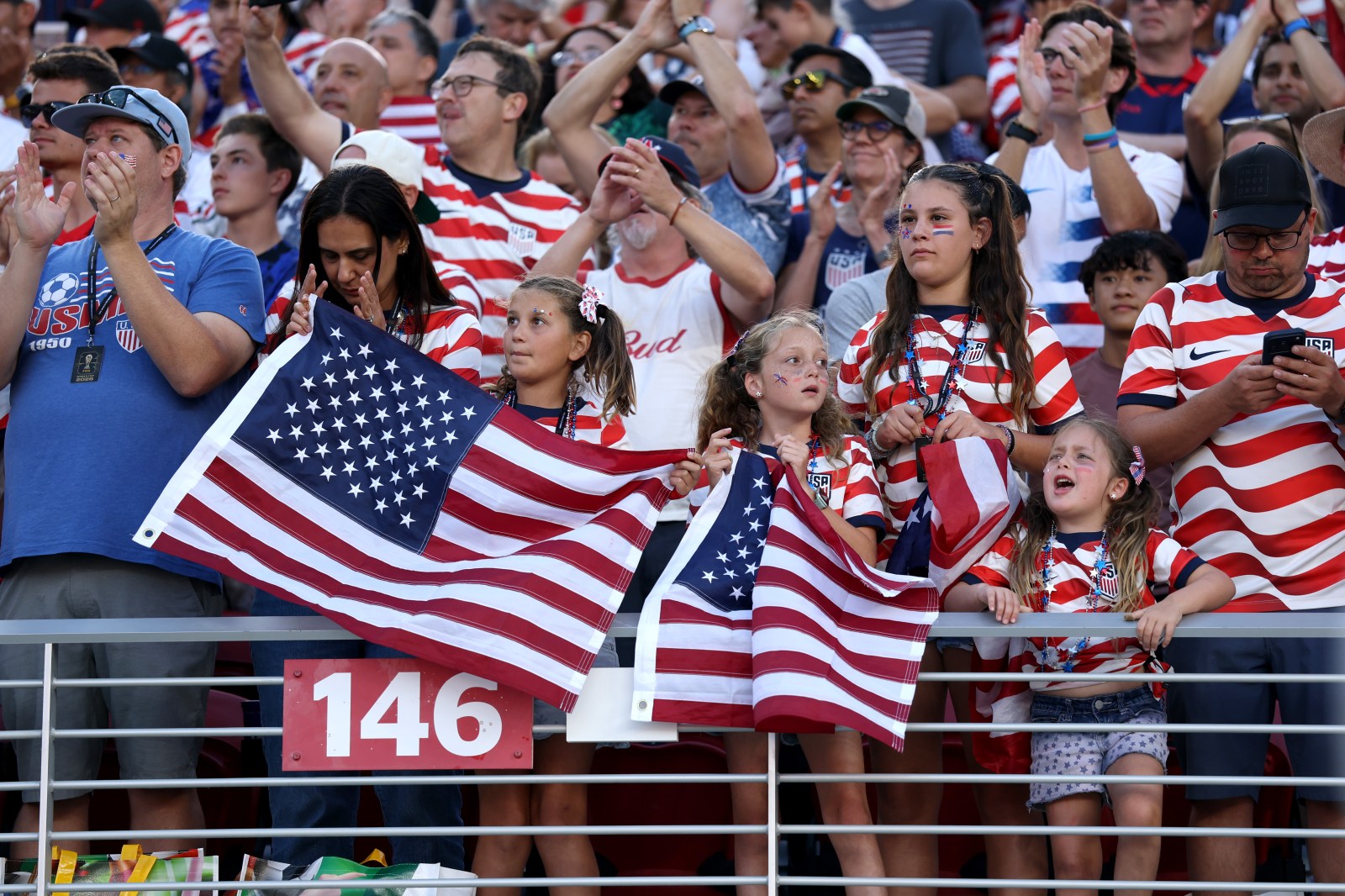
The FIFA World Cup recently concluded in the United States, drawing millions from around the globe to witness the thrilling matches. The electric atmosphere highlighted soccer’s universal appeal, especially as it was the first World Cup hosted in the U.S. in 32 years.
However, the end of the tournament raises a critical question: What lasting impact does the World Cup have on children who could not attend such events? Major sporting gatherings often favor already prosperous communities. Investments typically improve infrastructure in downtown areas and tourist hotspots, rather than reaching the neighborhoods in greatest need. Spending around hotels and venues does not often benefit those with limited access to resources. As a result, many families find ticket prices prohibitive, even if they live near the stadiums. For underserved areas, the World Cup can feel like an event happening miles away, one they helped fund but were excluded from.
There is a disparity in recreational resources, with underserved communities being significantly less likely to have sport facilities compared to wealthier regions. The high costs of participation can prevent children from engaging in this sport. Soccer should be accessible to everyone.
The U.S. Soccer Foundation was established as a legacy of the 1994 World Cup. Its mission has been to support the development of soccer in areas that lack opportunities. Following the 1994 event, U.S. Youth Soccer saw growth from about one million to over three million registered players by 2006. Soccer equips youth with valuable life skills such as teamwork, conflict resolution, leadership under pressure, and resilience. Research indicates that participating in sports enhances not only physical health but also social and emotional development, academic performance, and long-term prospects.
From firsthand experience, access to soccer can transform lives. The Zaffirini Family Foundation partnered with the U.S. Soccer Foundation to establish mini-pitches in Laredo and Austin, Texas. These facilities quickly became community hubs. The U.S. Soccer Foundation has installed over 850 mini-pitches across the nation, with plans to reach 1,000 by 2026. Currently, 6.5 million children live within a ten-minute walk of these pitches, marking substantial progress. Despite these advancements, much work remains. A World Cup that does not prioritize increasing access for underserved communities misses a crucial opportunity.
Some leaders recognize this challenge. New York Governor Kathy Hochul’s $6 million NY Kicks initiative aims to use World Cup enthusiasm to fund soccer fields in disadvantaged areas. In Houston, the FREEKICKS Soccer program is enhancing parks and providing scholarships, enabling over 1,200 annual participants who might not otherwise afford to play. Federally, Senator Todd Young advocates for bipartisan support to improve youth sports facilities nationwide. This approach should inspire every host city, governor, and mayor.
As the tournament concludes, the window to define its legacy closes quickly. Corporations, philanthropists, and policymakers should invest World Cup resources into communities that will never host matches but deserve inclusion. True legacy lies not in stadiums but in reaching out to every child ignored by mainstream development, making soccer accessible to all.
Carlos Zaffirini serves on the U.S. Soccer Foundation board, dedicated to providing underserved communities access to play spaces and soccer programs that inspire hope, promote well-being, and help youths reach their potential.
Leave a Reply