Fox News articles are now available for listening. Recent service disruptions in U.S. systems resulted from technical and maintenance issues. These are not linked to a foreign cyberattack, according to Director of National Intelligence Jay Clayton. He testified on Wednesday that these were separate outages not coordinated by foreign entities, despite growing concerns about cyber threats posed by advancements in technology.
During a House Homeland Security Committee hearing titled “Worldwide Threats to the Homeland: 25 Years After 9/11,” Clayton emphasized the absence of a coordinated attack. The disruptions, he explained, stemmed from maintenance and technical changes. Public concern over the timing was acknowledged, but intelligence reviews found no foreign interference.
The outages weren’t an attack, but future failures remain a risk,Clayton stated.
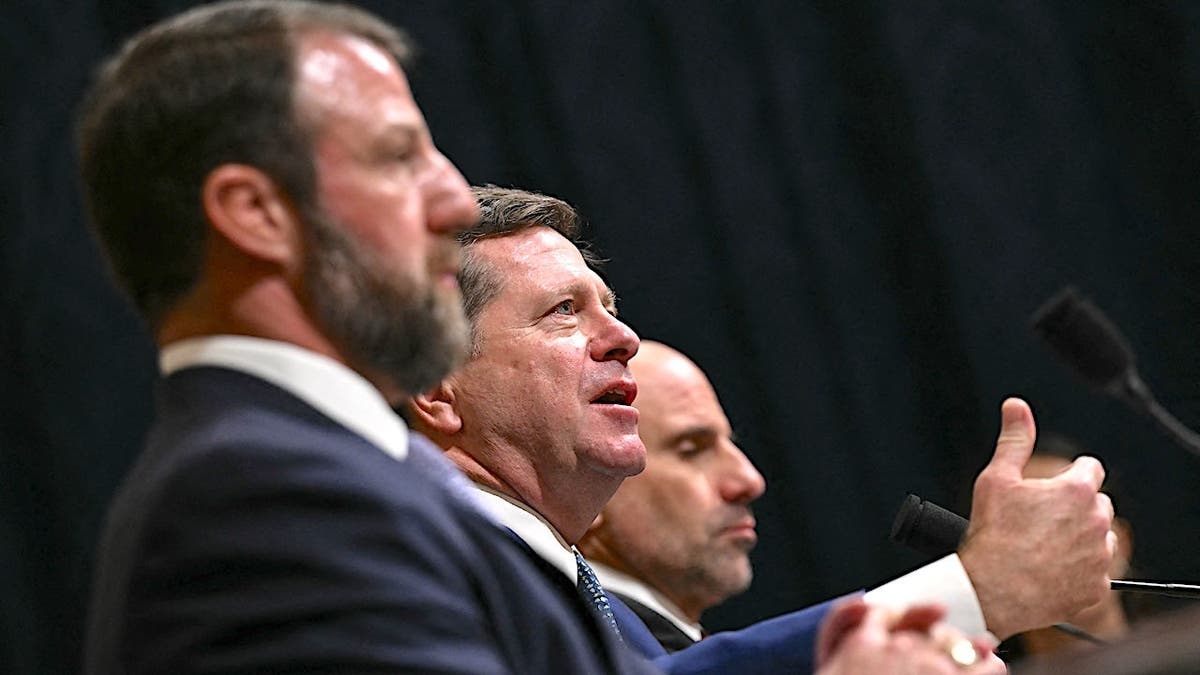
At the hearing, Secretary of Homeland Security Markwayne Mullin, along with Deputy FBI Director Christopher Raia, also provided testimonies. Clayton responded to persistent questioning by stating there is no evidence tying these events together. Additionally, he warned about the rapid progression of technology, which makes older systems significantly outdated over short periods.
In his opening statement, Clayton assured that the intelligence community monitors for any malicious cyber activities targeting U.S. networks. Neither evidence nor indication exists that state-sponsored entities are behind these disruptions.
The intelligence chief highlighted that advancements in artificial intelligence (AI), termed “superintelligence,” are transforming the cybersecurity battleground. This transformation impacts national security, the battlefield, and commerce by increasing the speed, scale, and sophistication of cyber operations.
Clayton also discussed a broader threat environment, acknowledging some threats in his testimony:
- Iranian Plotting: Clayton stressed an increase in threats from Iran, both domestic and international, and the commitment to thwarting these plots.
- Terrorism: While counterterrorism efforts have diminished the capabilities of major groups, threats persist from individuals inspired by groups like ISIS and al-Qaeda.
- Surveillance Authorities: Clayton urged the importance of Section 702 of the Foreign Intelligence Surveillance Act (FISA) in early detection of foreign threats, noting its indispensability.
Clayton cautioned that letting FISA 702 expire would be a mistake, as no other program matches its speed and effectiveness.
Eric Mack, a breaking news reporter and writer, covers stories that lead the news cycle on politics, elections, and government affairs.
Leave a Reply