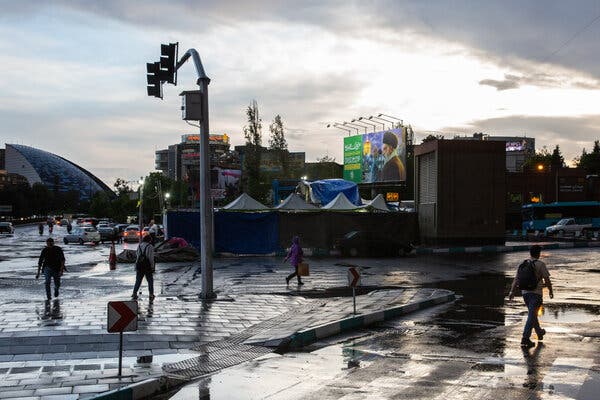
Tehran, April. Life in Iran, already challenging, has become increasingly difficult with rampant inflation, civilian casualties, and damaged infrastructure.
When Israel and the United States launched attacks on Iran in late February, some Iranians opposed to the Islamic Republic hoped it would end decades of rule they viewed as oppressive. However, after devastating strikes and a shaky cease-fire, those hopes have faded. Disillusionment and despair now prevail, driven by a reported civilian death toll of 1,700, widespread destruction, and a collapsing economy making daily life a struggle.
The cease-fire has brought some respite from bombings, but tensions remained high. On Sunday, Iran launched a barrage of ballistic missiles against Israel, citing Israeli attacks in Lebanon. These strikes raised fears of Israeli retaliation on Iran.
Beyond military conflicts, an economic war has caused basic goods prices to soar. The devastation of vital industries and the effective closure of the Strait of Hormuz, a key trading route for Iran’s crucial oil export, have plunged the already struggling economy into deeper collapse.
The intermittent peace talks, coupled with U.S. announcements declaring the war over when it wasn’t, have left both government supporters and opponents confused and anxious. Interviews using voice apps with over 20 Iranians in Tehran, Isfahan, Ahvaz, and Mashhad, conducted before Sunday’s strikes, reveal widespread uncertainty.
“I’m angry. I feel alone,” said Kimia, a 25-year-old designer in Tehran. “We don’t matter to the world at all; we are merely seen as tools for war and negotiation, though we are human beings.”
Leave a Reply