The U.S. naval blockade is placing significant financial pressure on Iran. It threatens to eliminate the country’s seaborne crude oil revenues by mid-December. This economic situation could escalate hardships for ordinary Iranians more than the military Washington aims to restrain.
According to energy intelligence firm Kpler, Iran’s trackable floating oil inventory outside the U.S. blockade zone has vanished. Tehran’s oil revenues might dry up by mid-December as remaining payments conclude.
The reduction in oil revenue does not immediately crisis military funding. Tehran might preserve military spending while reducing civilian programs. Inflation might lower purchasing power, and alternative revenue sources might be tapped.
Iran will soon have ‘nothing left to trade’ as its oil lifeline diminishes.
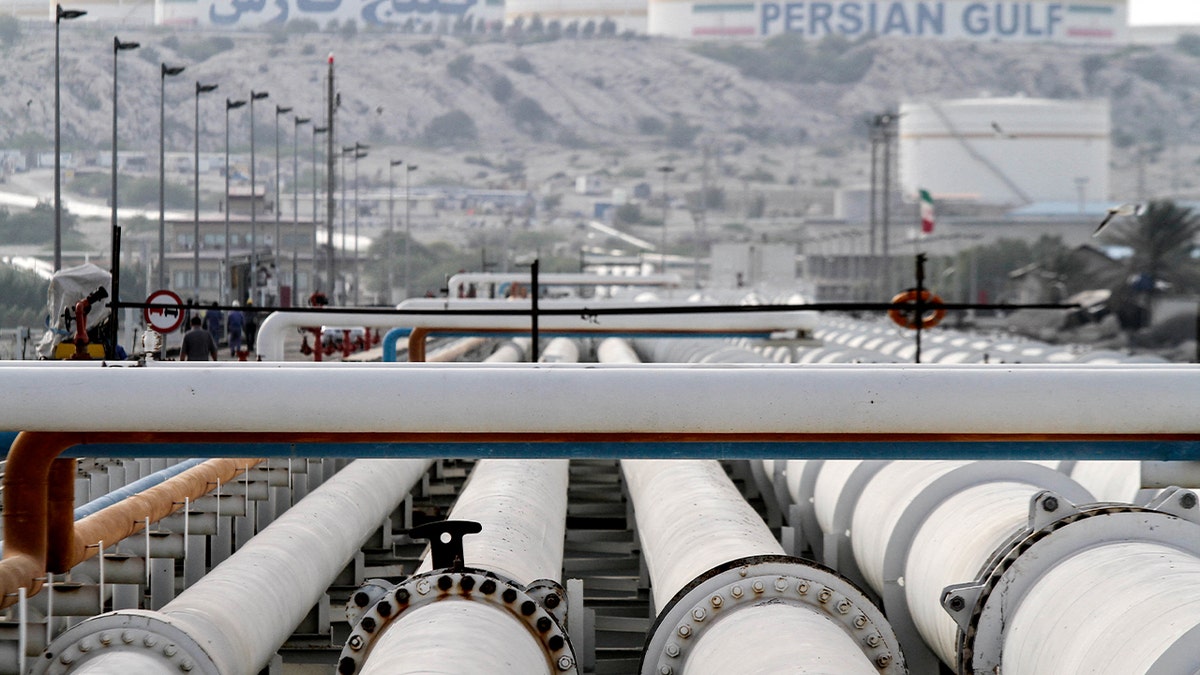
Export oil pipelines on Kharg Island show the country’s dependence on the oil trade. This complicated situation affects Washington’s pressure campaign; the blockade may remove Tehran’s key cash source without immediately cutting off military funds.
Oil accounts for about 30% of Iran’s government budget, according to Gregory Brew, senior Iran and energy analyst at Eurasia Group, and Miad Maleki, an Iran sanctions and financial expert at the Foundation for Defense of Democracies.
At the start of the year, Iran aimed to export around 1.7 million barrels per day at $54 per barrel. Actual exports have lagged, but higher oil prices provided some financial cushioning.
Maleki noted that oil and refined products make up between 50% and 60% of regime revenue when accounting for indirect income. The December deadline does not signify an immediate cash shortage.
Daily life in Tehran continues, despite U.S. sanctions. Maleki stated that the timeline represents a disruption in cash flow instead of a complete economic collapse. Tehran allowed inflation and a weakened currency to absorb some pressure without abruptly ending government salaries or creating widespread shortages.
However, losing a revenue source that comprises roughly 30% of the budget would force tough choices. Tehran may cut spending, increase borrowing, or run larger deficits. More significant cuts could impact subsidies, pensions, and other programs, while deficit spending threatens to fuel high inflation further.
Brew highlighted the likelihood of reduced government spending next year, with a greater reliance on borrowing and deficit spending, which increases inflation.
Iran’s military spending might remain stable or increase despite budget cuts, given the country’s warlike stance.
Iran is rebuilding missile production facilities and expanding military infrastructure. Despite US sanctions, military spending could persist or even rise due to the regime’s stance.
The Treasury Department indicated that Tehran allocated roughly 200,000 barrels of crude daily to its armed forces. Military bodies can sell this oil overseas and use the proceeds directly. Revenues from smuggling, black-market operations, and networks external to the formal budget also benefit the military.
Brew stated that while Iranian oil exports able to be tracked have dropped to zero, it is unlikely Iran’s oil exports will cease entirely. Small quantities might still transit overland by truck, rail, and across the Caspian Sea.
The fiscal squeeze will intensify by March as Iran reconciles its spending plans with reduced oil revenue, potentially leading to economic unrest.
Leave a Reply