The evolving situation in Iran, six months into the war, reflects significant political and historical questions beyond military operations. The key issue is determining leadership within Iran; Mojtaba Khamenei’s unclear role at the top of the hierarchy, Masoud Pezeshkian’s limited authority as president, and the IRGC’s growing influence suggest a shift towards a broader dictatorship with clerical approval.
Since the ideological shifts of 1979, Iran’s political system has emphasized coercion, leveraging political Islam for state power and international aggression. This regime, once focused on expansion, now fights primarily for survival, suppressing dissent and framing repression as nationalism. Washington needs to recognize Iran is not synonymous with its regime.
Economic pressures through initiatives like Operation Economic Outcast aim to break financial ties sustaining the regime, but long-standing corruption and misallocation of resources have deepened Iran’s economic woes. These pressures aggravate the domestic political crisis, showing the disconnect between the population’s aspirations and the regime trapped in outdated ideology.
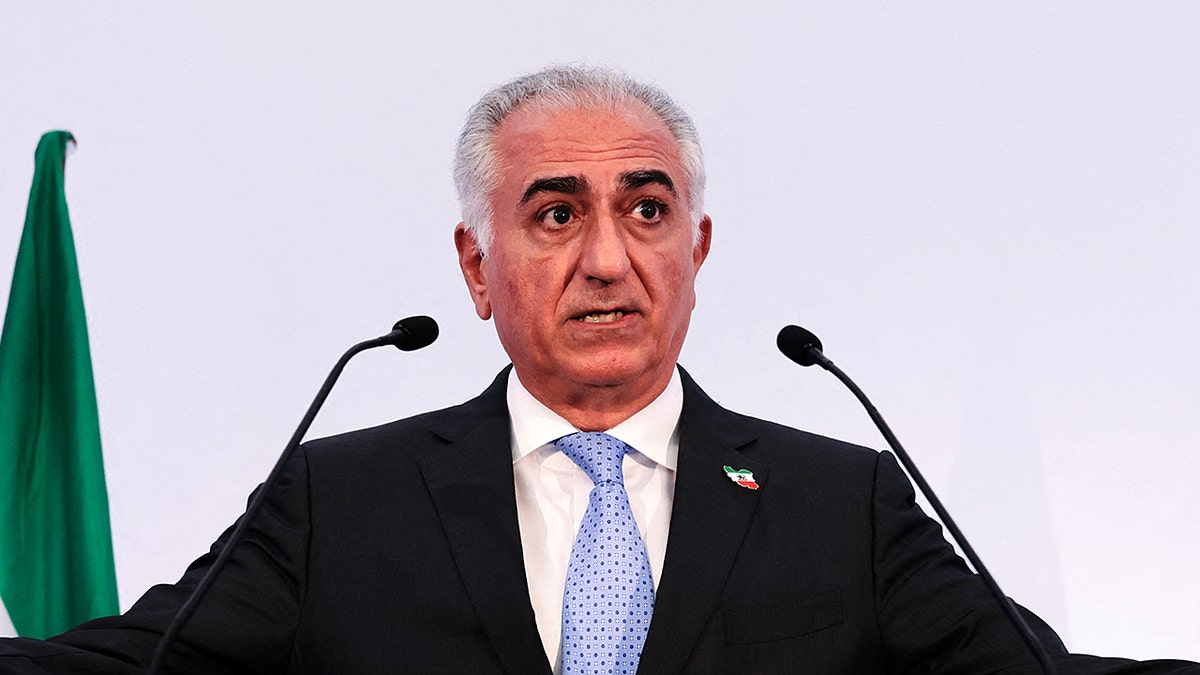
Revolution remains a possibility, given the accumulated grievances and eroded legitimacy despite suppressed uprisings. Iran’s future must be chosen internally, free from foreign influence, with options for governance between a republic or constitutional monarchy led potentially by figures like Crown Prince Reza Pahlavi.
The collapse of the current regime wouldn’t eliminate entrenched ideologies; democracy requires national unity beyond factionalism and ideologies. Iran’s transition will be challenging as foundational institutions have been weakened.
Washington’s past approaches alternated between confrontation and negotiation, underestimating Iran’s strategic resilience. Effective statecraft should prepare for Iran’s political transition, focusing on preserving national integrity and unity.
Regional security cooperation, enhanced through initiatives like the Abraham Accords, could mitigate threats and foster stability, understanding Iran’s political landscape is crucial for effective strategy.
China’s involvement underscores the geopolitical complexities, advocating for stability while maintaining ties with Iran, yet avoiding confrontation with destabilizing actions.
As the war proceeds, the concern shifts from merely ending conflict to envisioning Iran’s future. Global policy should support Iran’s political evolution beyond regime preservation, recognizing the distinction between Iran’s historical identity and its present governance.
Understanding Iran involves recognizing the potential for genuine democratic transition, addressing the challenges posed by entrenched ideologies and establishing citizenship and national belonging.
Leave a Reply