Key Developments
In recent Israeli elections, Prime Minister Benjamin Netanyahu’s coalition failed to secure a majority. This election saw a significant increase in turnout among Arab parties, potentially shifting the power balance.
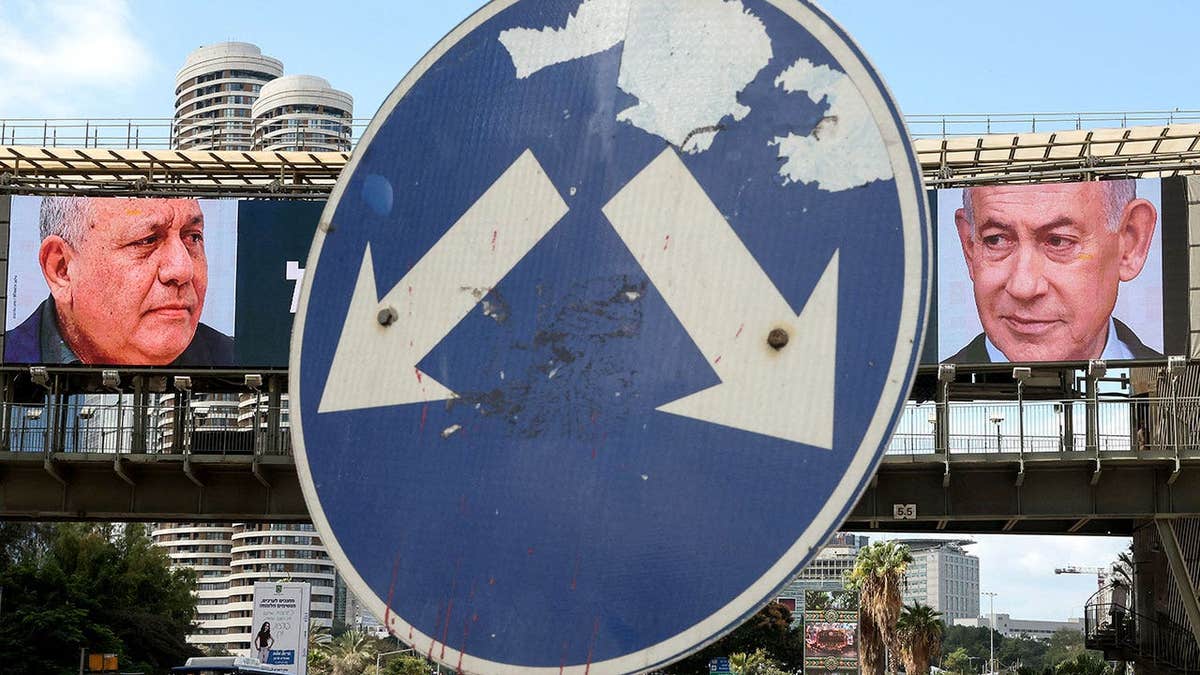
As of Thursday morning, 93.8% of ballots were counted. Netanyahu’s right-wing bloc was projected to win 53 seats in the 120-member Knesset. In contrast, the opposition, led by Gadi Eisenkot, was expected to secure 48 seats. The Arab parties, consisting of the Joint List and Ra’am, looked likely to gain 19 seats.
Arab Voter Turnout
The Arab voter turnout was notably higher, reaching 80%, compared to 53.2% in the 2022 election. This surge nearly doubled the Arab representation in the Knesset from 10 seats to 19.
The increased participation could heavily influence the formation of the next government. Despite Eisenkot and other leaders’ past reluctance to include Arab parties in their coalition, the new numbers could affect legislative control and open paths for political negotiations.
Qatar Allegations
The political landscape blurred further with allegations of Qatari interference in the elections. According to reports, funds may have been funneled to influence voter participation in Arab communities. However, these allegations haven’t been substantiated. An investigation is underway led by Justice Noam Sohlberg.
Qatar denied these allegations, asserting accusations stem from internal political frustrations. They emphasized their non-involvement in Israel’s electoral processes and condemned the claims as disinformation.
Political Reactions
The election outcomes energized debates on coalition possibilities. Opposition figures like Yair Golan called for forming a government reflective of the election results. Meanwhile, Likud dismissed any cooperation attempts with Arab parties, linking them to unproven foreign interference claims.
Unity Government Talks
Amid the contentious atmosphere, discussions of potentially forming a national unity government surfaced. Such a coalition might exclude Arab party participation but face challenges given campaign promises and ideological divides.
Considerations of a unity government involved figures aligning with former U.S. President Donald Trump’s interests. He reportedly desired the exclusion of far-right figures from Israel’s next ruling coalition.
Interference Allegations Continue
The investigation into the foreign interference claims continues, impacting the timeline for forming a new government. Netanyahu will act as caretaker prime minister until changes occur, a process potentially taking weeks.
Leave a Reply