Israeli police uncovered a significant archaeological site during an operation in Silwan, a village located in East Jerusalem. The discovery came to light on August 24, as announced by the Israel Police.
During an operation focused on resolving what authorities described as a "violent family conflict," officers located an ancient burial cave. This operation followed a deadly clash between families involving gunfire and Molotov cocktail attacks. The Jerusalem Post reported that the violence led police to initiate searches for individuals involved.
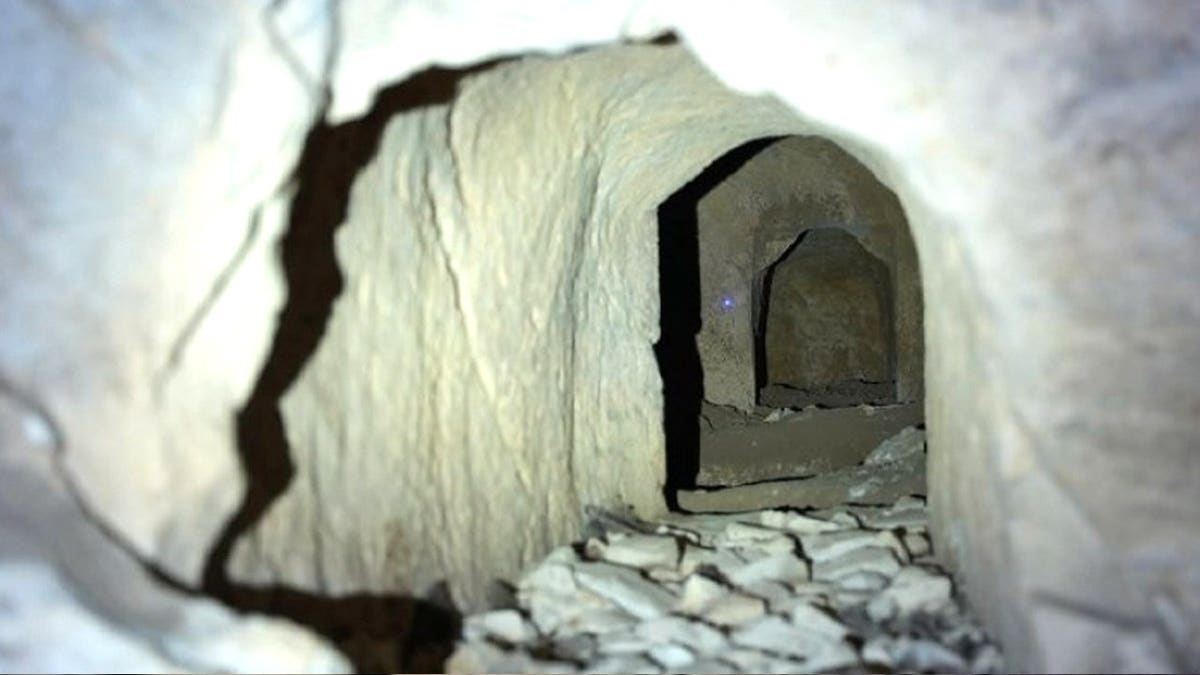
While conducting these searches, officers stumbled upon an ancient rock-cut burial cave beneath a building, accompanied by other archaeological finds. The Israel Antiquities Authority was called in for an assessment and determined that the graves date back to the Second Temple period.
Security forces have secured the area to facilitate further examination of the site, ensuring that the archaeological integrity is maintained.
Rock-cut burial caves served as family tombs during the Second Temple period, which spanned from approximately 516 B.C. to 70 A.D., ending with the Roman destruction of the temple. Images released by the police depict the cave’s interior, featuring scattered debris.
Jerusalem boasts a rich history, with remnants of its past continuing to surface. This recent discovery adds to a series of archaeological finds emerging in the city. Earlier discoveries include charred wooden beams dating back 2,600 years, believed to be related to the destruction of Solomon’s Temple. Last year, archaeologists found an extensive section of Jerusalem’s Hasmonean-era wall, marking another significant archaeological achievement.
Leave a Reply