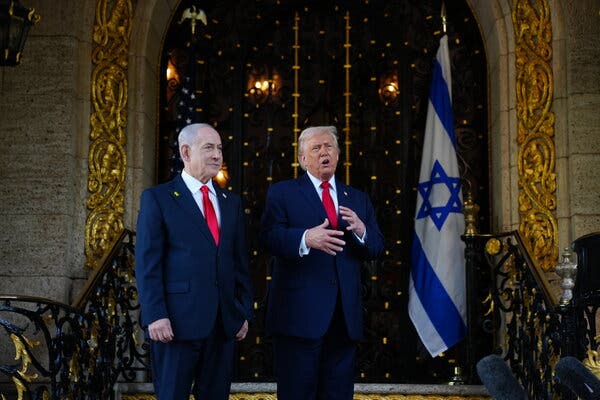
In a recent turn of events, Israeli Prime Minister Benjamin Netanyahu, who once seemed instrumental in discussions with President Trump about Iran, now finds his country sidelined in peace negotiations. This shift poses substantial risks for Israel, particularly as Netanyahu faces a challenging re-election ahead.
In February, as tensions with Iran escalated, Netanyahu was not merely present but leading discussions with Trump, advocating for a joint U.S.-Israeli offensive. He predicted that such a move could dismantle the Islamic Republic. However, the expected outcomes did not unfold as planned. The Trump administration then sidelined Israel in subsequent truce discussions with Tehran, according to two anonymous Israeli defense officials.
Without direct information from Washington, Israel’s insights into the negotiations relied on regional connections and intelligence gathering from within Iranian ranks. This exclusion from key discussions may affect both Israel’s strategic positioning and Netanyahu’s political standing, given his portrayal as a crucial link between Israel and the Trump administration.
Netanyahu’s rapport with Trump featured prominently in his political strategy. He often assured the Israeli public of frequent communications with the U.S. president, positioning himself as a peer and strategist in preventing Iran’s nuclear ambitions. During the onset of the conflict, Israel’s military actions targeted the Iranian leadership, hinting at the broader goal of regime change.
Leave a Reply