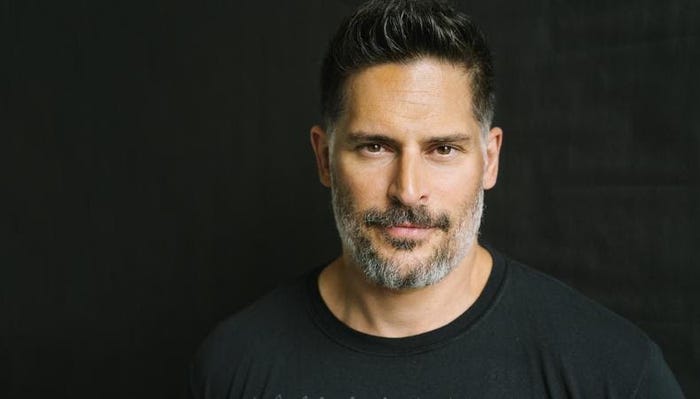
Joe Manganiello has battled chronic autoimmune issues for seven years. In his memoir, “Bloodlines,” he shares a personal journey marked by pain and a quest for spiritual understanding. Despite his public success, he suffered privately from severe health challenges such as itchy hives and issues with his lungs, thyroid, and intestines.
During this period, Manganiello experienced significant disruptions in his personal and professional life. Surgeries and near-death experiences were hidden from the public eye, impacting his relationship with his wife, Sofía Vergara. In “Bloodlines,” he explores the complex interplay between mental, physical, and emotional health and the need for spiritual solutions beyond physical treatments.
No Testosterone, Just Training
During his illness, Manganiello lost 59 pounds and was physically weakened. Despite this, he committed to abstaining from performance-enhancing drugs, prioritizing natural training routines. Drawing from experiences of addiction in his youth, Manganiello remained alcohol-free and drug-free. His workout regime focused on heavy lifting, including deadlifts and squats. This approach was integral to embodying strong characters in roles such as a werewolf in “True Blood.” He believed that using steroids would conflict with the integrity of the characters he portrayed.
Floating for Mental Clarity
Guided by Peter Evans, Manganiello incorporated sensory deprivation float sessions into his wellness routine. These sessions took place at a spa in Los Angeles and involved floating in a body-temperature tank filled with saltwater. While scientific research on the benefits of float therapy is limited, some studies indicate it can reduce stress and lower blood pressure.
Manganiello described a profound state of mental clarity during his first float session. This clarity persisted and allowed him to excel on the TV game show “Password” shortly afterward. He continues to use float therapy to maintain mental focus and enhance decision-making abilities.
Finish Dinner Early
After undergoing surgery that removed his large intestine, Manganiello adjusted his eating habits. He emphasized the importance of proper hydration and salt intake to maintain electrolyte balance. Manganiello also adopted an early dinner schedule to accommodate faster digestion, which is linked by some experts to improved sleep and nutrient absorption.
Though he enjoys the social aspect of occasional late dinners with friends, he acknowledges the impact on his sleep quality. Despite these challenges, he remains committed to managing his condition and avoiding complaints.
Note: This article is informational and not a substitute for professional medical advice or treatment. Consult healthcare professionals for medical concerns.
Leave a Reply