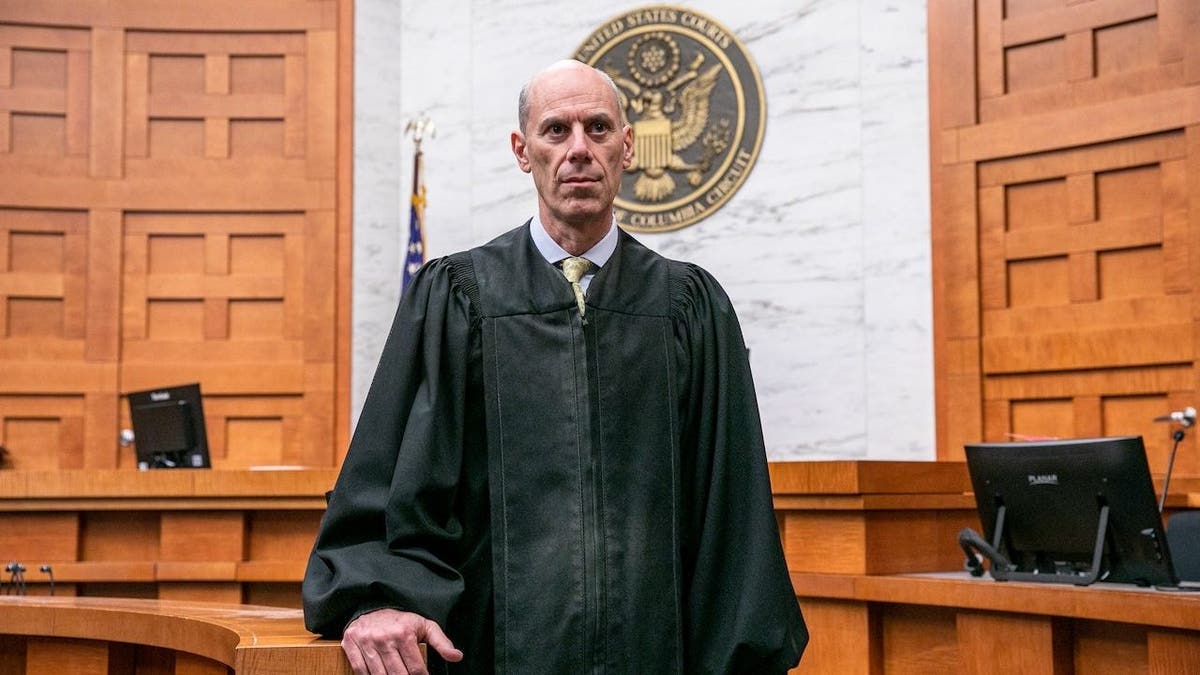
Government lawyers argue that unsealing documents tied to the warrant for searching Rep. Ilhan Omar’s home in Washington, D.C., conflicts with an earlier ruling by the same judge in a case involving President Trump. The Justice Department’s legal team urged Judge James Boasberg not to release the documents because the investigation is still active. They also noted that the search warrant had not been fully executed.
Despite these concerns, Judge Boasberg decided to release the redacted documents. The Department of Justice submitted their redactions, and the materials were made public. However, Boasberg ordered the government’s affidavit to remain sealed. This affidavit was used to secure the search warrant in the first place.
Boasberg, who will soon become chief judge of the US District Court, plays a key role in overseeing secret grand jury proceedings. His responsibilities will include handling legal matters connected to Special Counsel Jack Smith’s investigations into former President Trump.
The DOJ pointed out that Boasberg previously ruled against unsealing similar documents during ongoing investigations, specifically referencing a case involving Trump and alleged election interference. In that earlier instance, the judge had decided to keep related documents sealed.
Media outlets had attempted to obtain a warrant related to Trump’s Twitter account, but Boasberg ruled in favor of secrecy due to the active investigation. In the case against Omar, she has not been indicted, while Trump was indicted in earlier investigations. However, all charges were eventually dropped.
The DOJ argued for the need to protect ongoing investigations from premature exposure. Judge Boasberg acknowledged the importance of this need during active criminal probes. His ruling in the Trump case emphasized the government’s ability to restrict access to warrant materials via sealing orders.
Although media outlets cited the First Amendment as grounds for unsealing, Boasberg contended that ongoing investigations require confidentiality. The DOJ confirmed that the recent decision is inconsistent with previous rulings and made this point clear in their filings.
The District Court for the District of Columbia did not provide comments, nor did the U.S. Attorney’s Office. The investigation of Omar involves allegations of fraudulent citizenship paperwork, with evidence sought as far back as 1980. Investigators suspect that crimes may have occurred over several decades.
Omar’s legal team is engaged in discussions amidst these federal investigations. Meanwhile, more detailed information about the case continues to emerge.
Leave a Reply