In 1913, Antonino Alati migrated from southern Italy seeking a better life. He entered a U.S. society where Italians faced deep-seated prejudice. The press depicted them as poor, unclean, and violent. Their Catholicism and large families were seen as barriers to assimilation. Politicians aimed to restrict their entry, and a congressional report in 1911 criticized southern Italians’ intelligence and motives.
Despite this hostility, Alati persisted, bringing his family to join him. His son, Salvatore, eventually became Samuel. The family had a notable achievement decades later when Samuel A. Alito Jr. became a Supreme Court justice, the second Italian American after Antonin Scalia to earn this position.
During his confirmation in 2005, Alito praised his father’s resilience in securing a better future for his children. By this time, Italian Americans had become integral parts of American society, influencing music, politics, and cuisine. They showed how immigrant communities could integrate and contribute significantly.
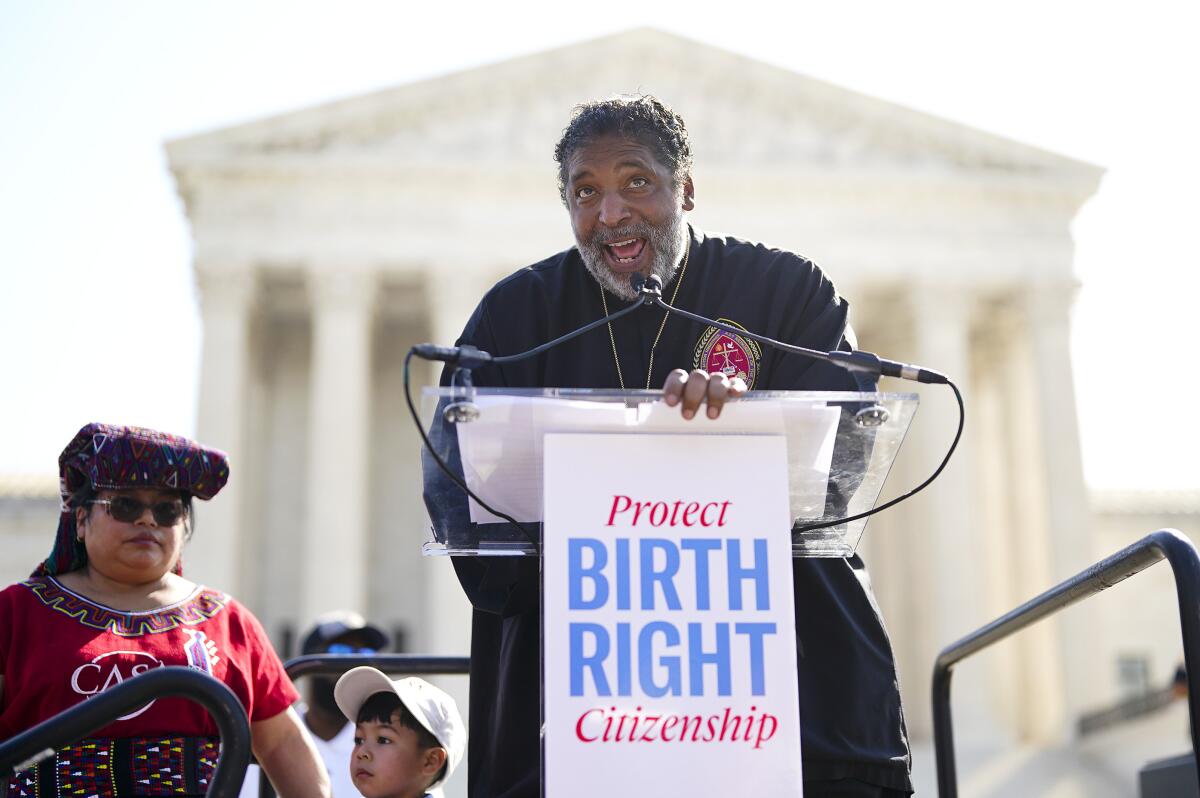
In a surprising move, Alito dissented in a Supreme Court decision that dismissed President Trump’s effort to end birthright citizenship. This decision highlighted a common occurrence in America: descendants of immigrants, and even some immigrants themselves, forgetting the discrimination their ancestors faced, and opposing the policies that once aided their families.
Alito’s dissent was not just about forgetting his origins. It was characterized by language recalling anti-Italian prejudice. His 39-page opinion expressed concerns about the impact of undocumented migrants, using terms reminiscent of past nativist rhetoric. He echoed old suspicions about allegiances, similar to what Italian Americans encountered due to their faith.
Alito argued that many agricultural workers gained citizenship under the 1986 amnesty fraudulently. This accusation mirrors those made against Italians who pursued naturalization.
The justice’s dissent stood in contrast to his fellow justices; John Roberts, Amy Coney Barrett, and Brett Kavanaugh, all signed on to the majority opinion, maintaining support for birthright citizenship.
The author reflects on how quickly families can forget their immigrant history. He notes how members of his own Mexican family, who faced similar xenophobia, now support restrictive immigration policies. This forgetfulness drives him to support undocumented people and birthright citizenship.
Alito, in his dissent, acknowledged the strong moral claim of U.S.-born children of undocumented migrants to remain. He urged Congress to address their situation but criticized birth tourism, where families exploit U.S. generosity without intending to contribute back.
Alito’s view on Trump’s actions concerning birthright citizenship highlights a fundamental disagreement. The dissent against birthright citizenship neglects historical lessons about the value of welcoming immigrants who contribute to society.
Ultimately, Alito summarized the court’s decision to uphold the 14th Amendment as a significant mistake. Yet, historically, the pessimism of immigration restrictionists often proves unfounded. Both Alito’s and the author’s families demonstrate the potential contributions of immigrants once derided.
Alito’s dissent highlights a departure from his family’s original journey, aligning instead with those who once resented their presence. History may view his decision as a missed opportunity to support America’s evolving immigrant narrative.
Leave a Reply