The Israeli Central Elections Committee announced early results from the election, revealing that 14,433 votes have been counted. Results from 15 polling stations show Likud party, led by Netanyahu, at 26.50%, with Eisenkot’s bloc trailing at 19.32%. These figures are preliminary and may change as counting continues, according to the committee spokesperson.
Arab Parties Achieve Significant Turnout
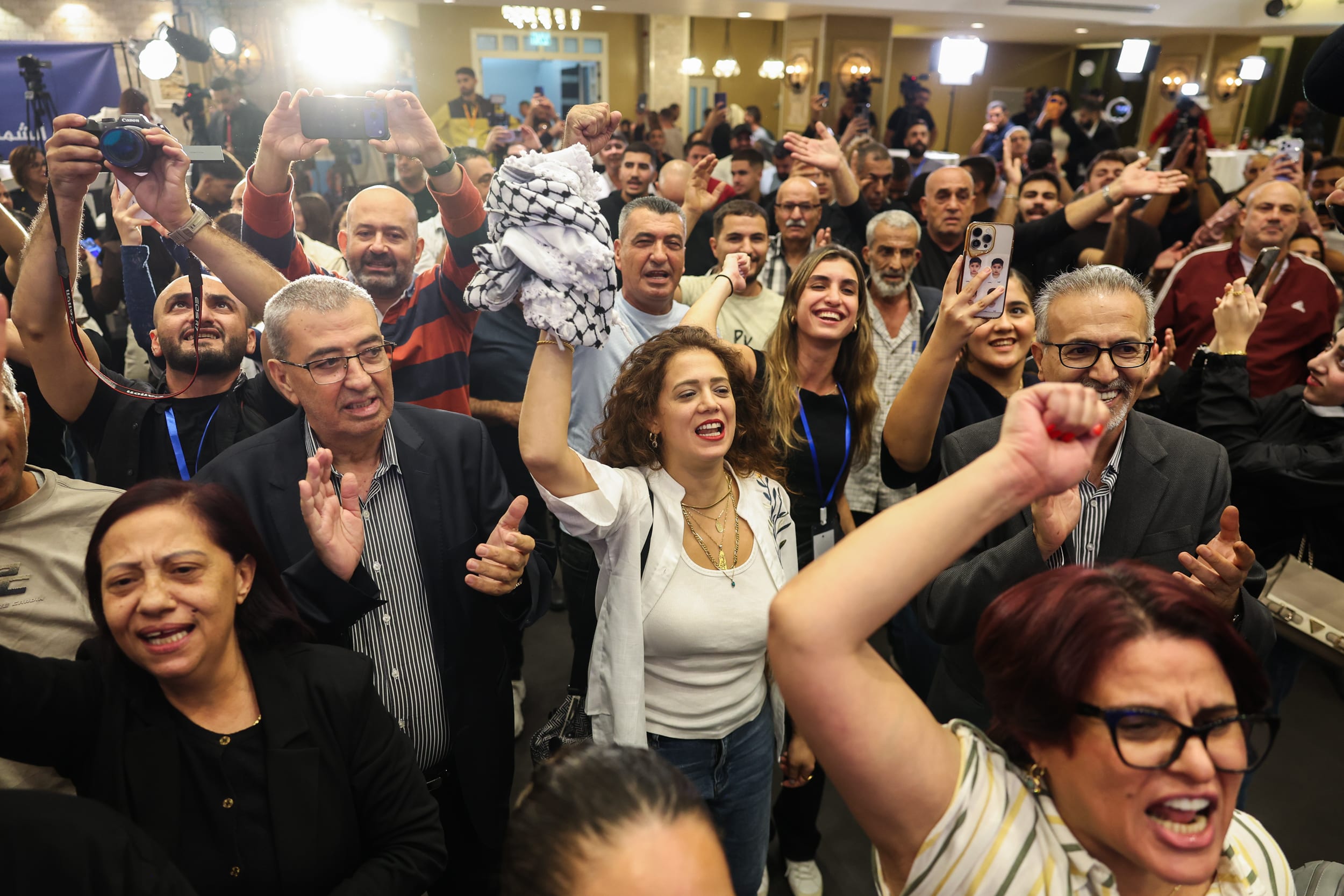
At the headquarters of the Joint List, an alliance of Arab parties, there was celebration upon the release of exit polls, marking a historic turnout among Palestinian citizens of Israel. Joint List candidate Faten Gattas stated, “We refuse the occupation and racism, and we will remain here.” High Arab voter participation is seen as crucial in preventing Netanyahu’s coalition from gaining power, despite Eisenkot’s reluctance to form a government with Arab parties. Networks report Eisenkot’s bloc slightly ahead with two more seats than Netanyahu’s camp.
The Impact of Oct. 7 Attacks
Commemoration events for the victims of the Oct. 7, 2023 attacks highlighted the damage to Netanyahu’s image as “Mr. Security.” These attacks continue to influence the election’s key issues, which include security failures, along with economic challenges such as living costs and corruption.
Record Voter Turnout
Today’s voter turnout reached 77.7%, the highest since 1999, as reported by Israel’s Central Elections Committee, with 5.7 million voters participating, marking a 7.1% increase from the previous election.
Post-Election Process
Official election results will be published within eight days. Afterward, parties will engage in intense negotiations to form a government supported by at least 61 Knesset members. The president may task the largest party leader with forming a government, but selecting someone else is possible. If a coalition cannot be formed, the president can call for new elections within 90 days.
Netanyahu’s Campaign and Global Reputation
Netanyahu’s campaign emphasized his relationship with former U.S. President Donald Trump. Despite support within his party, rival supporters feel Israel’s reputation has suffered internationally due to Netanyahu’s actions. Eisenkot’s advocates hope for a shift away from conflict and toward diplomatic solutions.
Exit Poll Results Indicate Uncertainty
Initial exit polls reflect a lack of confidence in Netanyahu, according to Eisenkot. Channel 12’s data shows Eisenkot’s bloc leading with 52 seats over Netanyahu’s 50. A coalition requires at least 61 seats for presidential approval.
Polling Stations Closed Amid Counting
The election committee confirmed the closure of all polling stations, shifting focus to vote counting and verification processes. Interim figures published on the committee’s website are subject to change until final results are confirmed.
No Clear Winner from Exit Polls
Exit polls across various Israeli channels report similar standings, with Netanyahu’s bloc potentially winning 50 seats against Eisenkot’s 52. The actual counting process may alter these projections.
Ambassador Mike Huckabee on Arab Voter Participation
U.S. Ambassador Mike Huckabee clarified his comments about Arab-Israeli citizens voting, affirming that Arabs who vote are Israeli citizens. He emphasized inclusivity in voting rights, pointing out that Arab citizens serve in the IDF and hold Israeli passports.
Historical Importance of Voter Turnout
Israeli pollster Dahlia Scheindlin noted the high turnout, driven by a sense of historical importance among voters, particularly among Arab communities. The data are preliminary but indicate significant participation.
Haredi Population Debate
The debate surrounding the Haredi community’s role in the military and government continues to be a focal point. Their influence in past coalitions may diminish due to the ongoing conflict in Gaza.
Voting Procedures and High Turnout
Despite lengthy lines, voting hours will not be extended, affirming strong public engagement. Anyone in line before closing time will still be allowed to vote.
Analysis of High Voter Turnout
Natan Sachs from the Middle East Institute attributes high turnout to the perceived high stakes, especially opposition anger following recent events. Arab-Israeli participation is expected to impact Netanyahu’s coalition negatively.
Tel Aviv Voters and Historical Significance
Voters in Tel Aviv, such as education student Yair Fux and graduate student Michal Spiegel, are advocating for government change, emphasizing the importance of today’s elections in shaping Israel’s future.
Celebrity Influence
Israeli actress Gal Gadot encouraged voting for change without revealing her choice, reflecting the significant push for political transformation among prominent figures.
Eisenkot and Personal Reflections
Eisenkot visited his son’s grave before voting, sharing family moments of reflection and the broader impact of recent attacks on Israeli citizens.
Arab Citizens Seeking Government Change
Arab voters express hope for the end of policies perceived as oppressive, with significant participation from Palestinian citizens of Israel. Candidates like Fadi Najjar advocate a more inclusive and respectful government.
Early Voting Images
Voter turnout across Israel, including Arab cities, reflects the day’s significance through powerful visuals and personal narratives.
Netanyahu Urges Right-Wing Support
Netanyahu urged his base to vote by highlighting increased Arab turnout, emphasizing the urgency for right-wing participation.
International Relations
In Moscow, Iranian President Masoud Pezeshkian condemned Israeli and U.S. military actions, meeting regional leaders to discuss security and stability.
Israeli Electoral System Insight
The Knesset consists of 120 seats, requiring coalitions for governance. Parties failing to meet the electoral threshold of 3.25% secure no representation, as seen in previous elections.
Leave a Reply