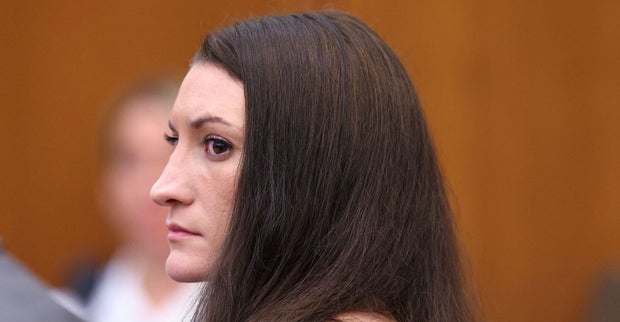
The trial of Lindsay Clancy has been a focal point as jurors hear arguments regarding her criminal responsibility for the deaths of her three children in 2023. While Clancy, aged 36, acknowledges the tragic events that took place in their Duxbury, Massachusetts, home, her defense argues medical conditions like postpartum psychosis and bipolar disorder, compounded by overmedication, are factors. The prosecution contends that Clancy premeditated the acts and staged a suicide attempt.
Mother’s Testimony
On August 17, Clancy’s mother, Paula Musgrove, testified upon the prosecution’s case conclusion. She detailed a December 2022 conversation with Clancy, expressing concerns about harming her children and feeling paranoid. Musgrove noted her daughter’s mental state seemed disrupted by medication, impacting her memory and personality.
Private Writings and Internet Searches
The trial highlighted Clancy’s personal writings and internet searches. Massachusetts State Police Detective Timothy Chiappini shared diary-like entries that described Clancy’s struggles with parenthood and treatment doubts. Searches such as “Can you treat a sociopath?” and others detailing suicidal ideations were noted.
Courtroom Emotional Displays
During testimony from a medical examiner on August 12, Clancy became visibly upset, resulting in her removal from the courtroom twice. Judge William Sullivan instructed jurors to maintain objectivity, separating emotional reactions from evidence evaluation.
Psychiatrist’s Testimony
Dr. Jennifer Tufts provided insight into Clancy’s treatment, having conducted 14 telehealth sessions over four months, concluding just before the incident. Though Clancy reported feeling numb and suffering sleep issues, she denied feeling psychotic. Despite prescribing Zoloft, Tufts addressed concerns regarding medication-induced suicidal thoughts, asserting it’s typically not associated with those over 24 years of age.
Overall, testimonies have painted a complex picture of mental health, medication effects, and Clancy’s actions leading up to the tragic event.
If you or someone you know is experiencing emotional distress or suicidal thoughts, contact the 988 Suicide & Crisis Lifeline by calling or texting 988. For more mental health support, the National Alliance on Mental Illness (NAMI) HelpLine is available at 1-800-950-NAMI (6264) or email [email protected].
Leave a Reply