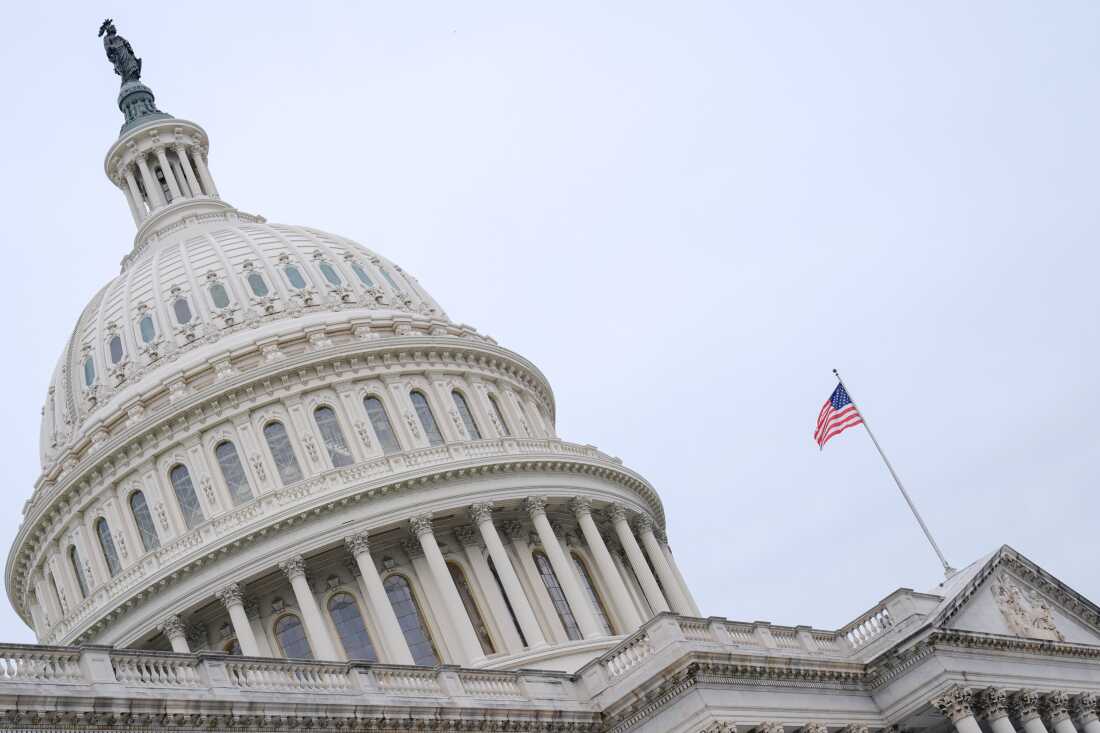
A Senate subcommittee held a hearing on Wednesday, questioning sports betting industry officials. The focus was on recent cheating scandals, marketing tactics, and regulatory issues within the industry.
U.S. lawmakers interrogated representatives from sportsbook and prediction market companies. They explored aggressive marketing tactics and recent cheating allegations, highlighting the risks associated with legalized gambling. The Senate Commerce subcommittee addressed these issues amid claims of athletes rigging games for financial gain.
Committee chair Ted Cruz emphasized two primary concerns for the panel. One, how to preserve the integrity and authenticity of sports amidst the prevalence of sports betting. Two, whether prediction markets are operating within legal bounds or infringing upon state sovereignty.
Cruz referenced recent allegations, such as MLB pitchers accused of adjusting throws for bribes, and cancellations in UFC due to match-fixing suspicions. He urged collaboration among sports leagues, casinos, and regulators to combat manipulation.
Lawmakers also scrutinized the advertising strategies of prediction market companies like Kalshi and Polymarket. These platforms allow legal betting on topics ranging from celebrity statements to the assassination of Iran’s Ayatollah Ali Khamenei.
Sen. John Hickenlooper voiced worries about these companies targeting young audiences through social media, potentially fueling problem gambling. Patrick McHenry, a senior adviser for the Coalition for Prediction Markets, clarified that under-18 betting is banned and the average user age is 33.
Post the 2018 Supreme Court decision allowing online sports gambling, 39 states and D.C. have legalized some form of it. In 2025, sports betting revenue soared to $16.96 billion.
Harry Levant from the Public Health Advocacy Institute expressed concern over gambling addiction risks. Bill Miller of the American Gaming Association countered that online gambling is highly regulated and contributes significantly to the U.S. economy.
Minnesota recently banned prediction markets, initiating a legal dispute with the Trump administration. Over a dozen states have introduced bills to regulate these platforms, according to the National Conference of State Legislatures.
Prediction market firms advocate for federal governance, suggesting these markets should be classified as financial products rather than gambling services. McHenry argued that regulating prediction markets like traditional gambling misinterprets the industry. Unlike casinos or sportsbooks, prediction markets benefit from increased participation and accurate information, not from consumer losses.
Leave a Reply