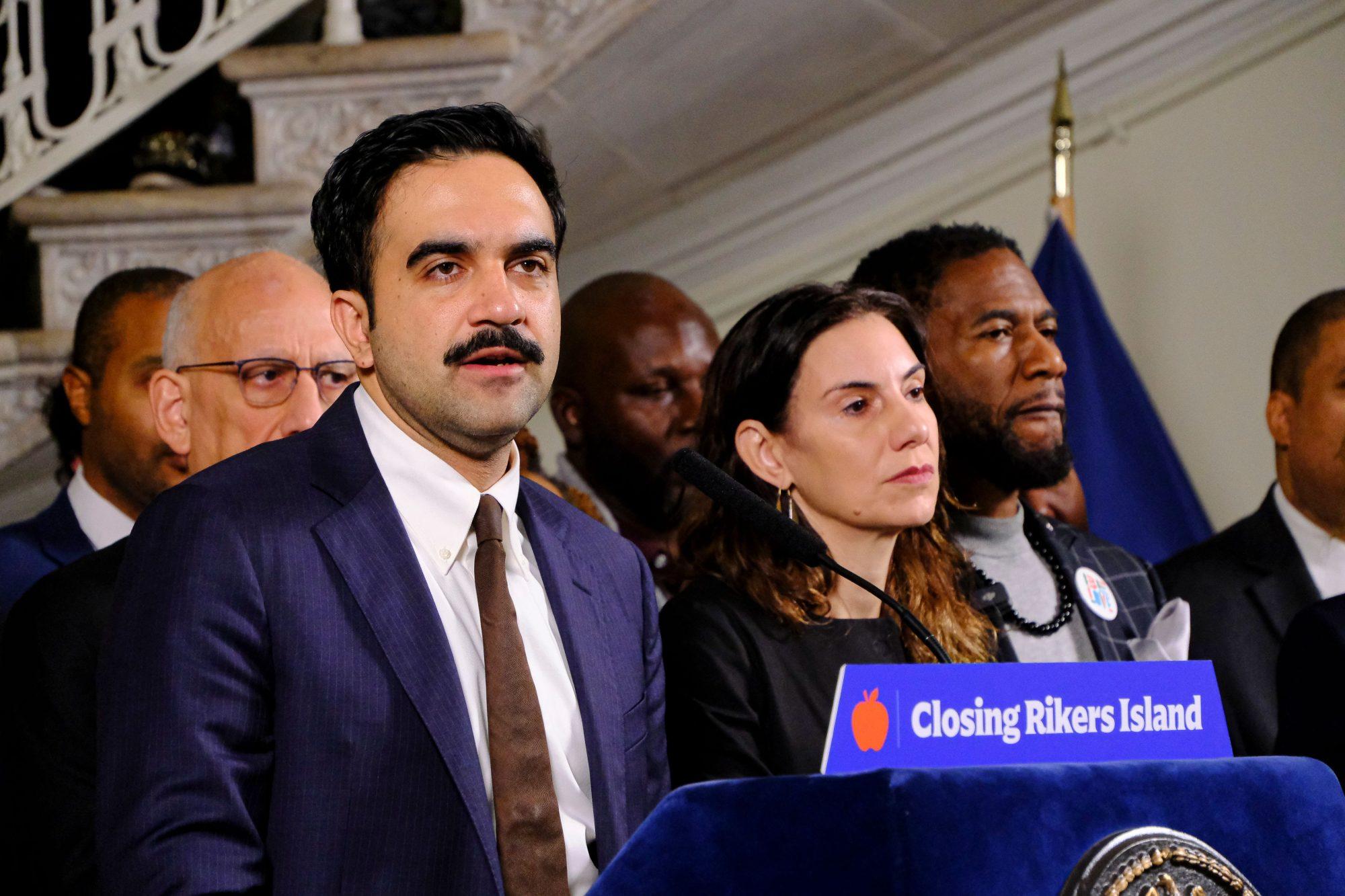
The closing of Rikers Island has been a topic of significant debate and legal scrutiny. Mayor Zohran Mamdani held a press conference in New York on November 20, 2026, to announce plans to push back the closure deadline from 2027 to 2032. This proposal aims to resolve a legal issue related to New York state’s Correction Law, which mandates that the city cannot close its current jails until replacement facilities are designated or built.
The city’s decision to extend the deadline is partly to avoid conflicts with state law. The existing council deadline of 2027 is unenforceable without new jails ready to replace those on Rikers Island. Despite this extension, a significant legal challenge remains unsolved. The four borough-based jails planned to replace the Rikers facilities will have a considerably lower capacity.
Currently, Rikers Island can hold about 15,000 inmates, with over 6,600 people housed there. However, the new jails will collectively accommodate only about 4,100 inmates. This reduced capacity is not a mere oversight; it is central to the plan’s intention from inception. Since Mayor Bill de Blasio first announced the closure plan in 2019, followed by administrations from Eric Adams to Mamdani, decarceration has been emphasized as the primary goal.
The city’s plan aims to promote a shift towards less incarceration, yet this approach might conflict with legal requirements. State Correction Law stipulates that local jails must fulfill roles such as the detention of trial-bound individuals and the confinement of those serving local sentences. Penal Law and Criminal Procedure Law grant judges the authority to detain defendants pre-trial and impose sentences in local jails.
If judges legally require detention and local jails lack the capacity to comply, the city could face severe legal ramifications and be found in contempt of court. This situation poses a risk of fines and legal consequences for city officials, as highlighted by the correction officers’ union and other potential litigants. Even Elizabeth Glazer, a key developer of the initial closure plan under de Blasio, has expressed concerns about insufficient capacity and recommended abandoning the plan.
Mayor Mamdani has acknowledged these capacity issues, opting instead to fund initiatives aimed at reducing re-arrests with a $30 million allocation and establishing a task force to decrease pre-trial incarceration time. Despite the long history of attempts to address these issues, including an independent commission formed a decade ago, progress remains limited. The duration inmates spend in jail has risen from 87 days in 2025 to 116 days in 2026.
The jail population can fluctuate due to factors beyond the city’s direct control, such as crime rates and types of offenses. Even if the city could successfully decrease inmate numbers to fit the new jails’ capacity, it lacks the flexibility to manage any increase in detainees. A sudden spike, such as from a violent protest, could create a crisis impacting the entire justice system.
Addressing the capacity problem is critical. It is not simply a defense of current conditions on Rikers Island, nor an opposition to its closure. Rather, it emphasizes the need for adequate, legally compliant jail facilities as crucial elements of the justice infrastructure.
Christian Browne, attorney and adjunct fellow at the Manhattan Institute, contributed insights into the ongoing challenges and potential solutions.
Leave a Reply