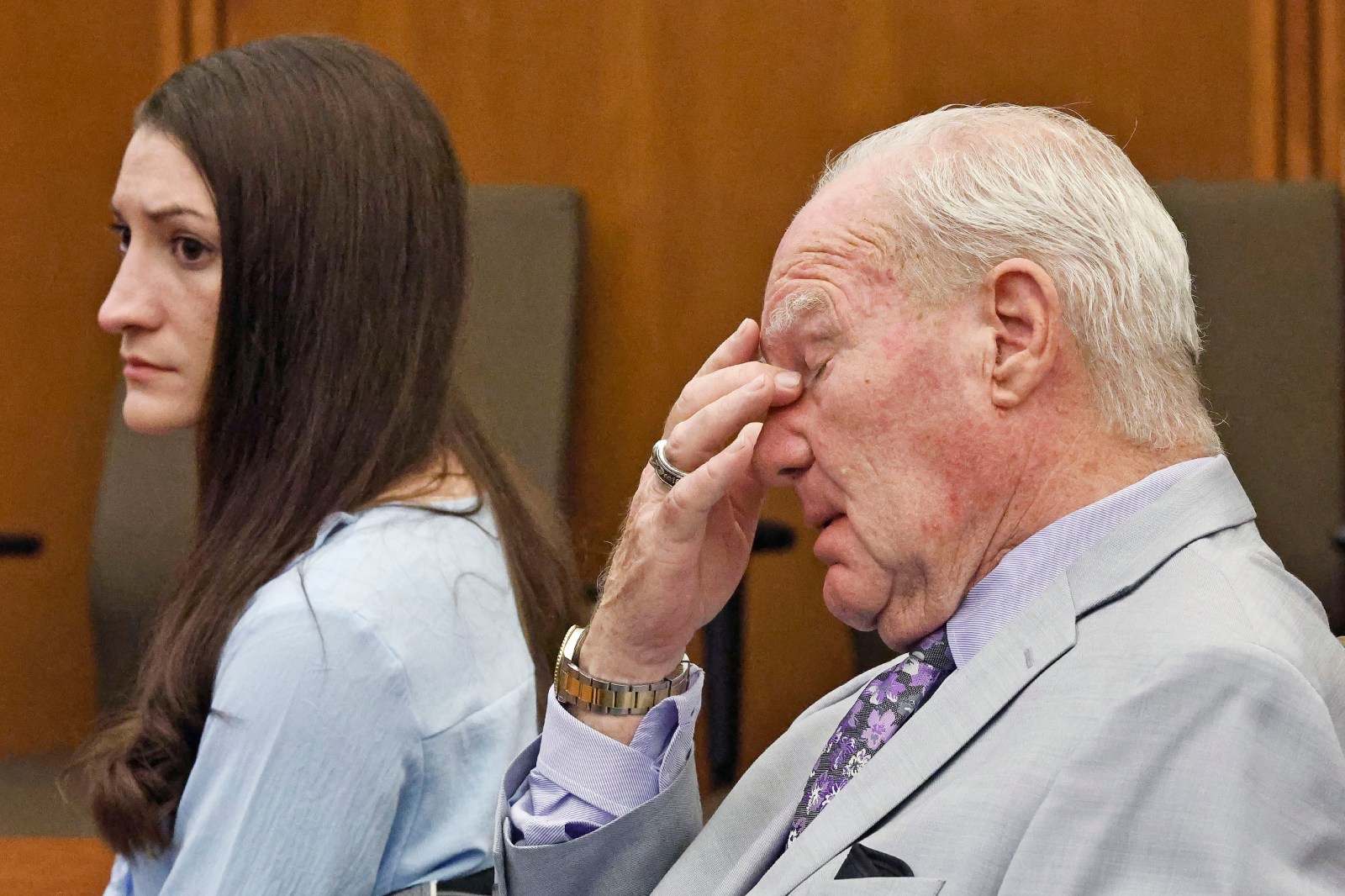
The Jury’s Struggle
A jury in the trial of Lindsay Clancy seems unable to reach a verdict, sparking the likelihood of a mistrial. According to Gary Galperin, a former Manhattan prosecutor, the ongoing deadlock signals an impasse, though a unanimous decision remains possible. Twice now, the jury has informed Judge William Sullivan of its inability to agree, despite being given Tuey-Rodriguez instructions to encourage continued deliberations.
The Case Details
Clancy is charged with the January 2023 killings of her three children. Her defense concedes the acts occurred but argues she was suffering from postpartum psychosis, impairing her awareness of the wrongfulness of her actions. In contrast, the prosecution asserts Clancy understood her actions, presenting evidence of planning, including circumstances leading her husband from the home before the murders.
Complex Legal Questions
At the heart of the trial is whether Clancy’s mental state absolves her of criminal responsibility. Extensive expert testimony on her psychiatric condition seeks to address these complex legal issues. Jurors must weigh whether Clancy fully appreciated her actions’ wrongfulness or was so impaired she couldn’t conform to the law.
Potential Outcomes
If the jury remains deadlocked, a mistrial could lead to re-trial, providing both defense and prosecution opportunities to refine their cases. Past examples highlight how conclusion differences can emerge in a retrial. A mistrial doesn’t negate the charges, allowing prosecutors a chance to re-present their case.
The Role of Expert Testimony
Expert witnesses played a critical role due to the complexity of Clancy’s mental health issues. Their varying conclusions challenge jurors to evaluate which experts’ backgrounds, experience, and methodologies are most credible. Liking or trusting a witness can influence juror decisions, affecting trial outcomes.
What Happens Next?
Should the jury remain split, a mistrial could result. Following this, Clancy might face a retrial. Regardless of outcome, she isn’t likely to regain freedom imminently, as her mental health will continue to be scrutinized for potential safety risks. The trial’s conclusion hinges on whether jurors can align through ongoing deliberations or if a decision remains out of reach.
Leave a Reply