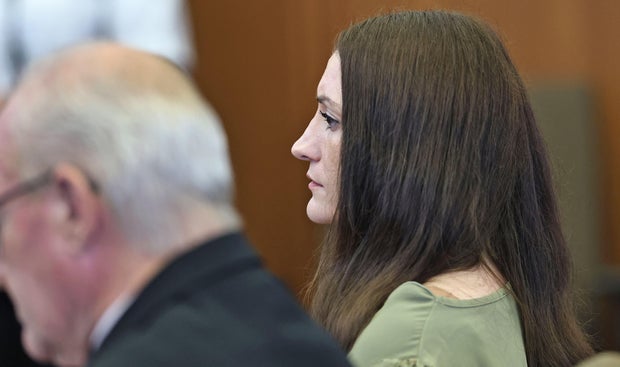
Kevin Reddington, representing Lindsay Clancy, plans to seek dismissal of the case against her based on double jeopardy. He announced the intention to file a motion on September 29 during a status hearing. Reddington argues there is no manifest necessity for a mistrial.
Clancy stands accused of murdering her children, Cora, Dawson, and Callan, in Duxbury, Massachusetts, in January 2023. Her defense cites postpartum psychosis and overmedication as factors. Prosecutors counter that Clancy intentionally killed her children.
The highly publicized trial resulted in a mistrial on September 4 after jurors failed to reach a unanimous decision. The jury deliberated for more than seven days, with reports indicating an 11 to 1 split. Juror No. 5 noted one juror claimed reasonable doubt but refused to apply it as required by law. Despite requests, the judge declined to dismiss the juror or further question the panel.
Reddington argues judiciary failure, suggesting the holdout juror was improperly adhering to legal instructions. This forms the basis of his motion to prevent a retrial. Legal expert Caroline Polisi describes the motion as ambitious, noting mistrials typically allow for retrial.
If Reddington succeeds, Clancy could avoid a retrial, effectively going free. Another option is a plea deal for lesser charges, which Reddington is open to. He stresses Clancy’s mental health challenges and diagnoses, emphasizing her continued treatment.
Reddington emphasizes the stigma around postpartum psychosis. He hopes the trial affects public awareness of the condition and encourages psychiatric treatment.
Despite significant public attention, prosecutors have not announced plans for a retrial post-mistrial. Reddington avoids speculating, expressing hope for resolution without further court proceedings.
Reddington’s efforts included seeking a pardon from President Trump, although this isn’t directly applicable. Trump discussed the case publicly, hinting at possible incarceration or institutionalization.
Reddington remains hopeful for intervention from high levels of government, even without direct pardoning power, to influence state-level outcomes.
Leave a Reply