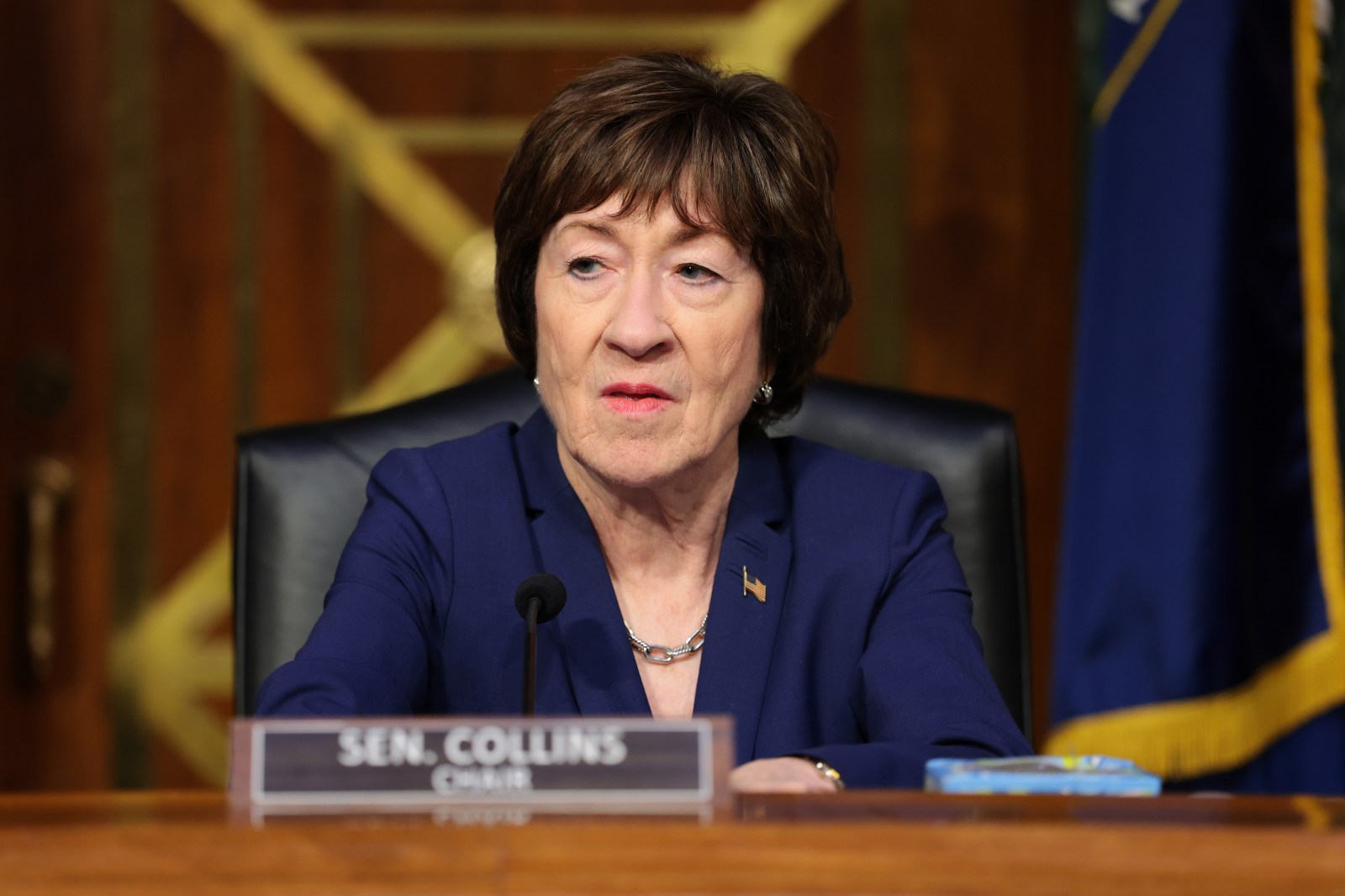
The 2026 U.S. Senate race in Maine is shaping up to be a closely fought battle. A recent Fox News poll indicates Democratic candidate Troy Jackson is slightly leading the incumbent Republican Senator Susan Collins. The poll, conducted from August 6 to August 10, shows Jackson with 48 percent compared to Collins’ 46 percent. This puts the race within the poll’s 3 percent margin of error, highlighting the competitive nature of the election.
An earlier survey from the same pollster in June showed Collins ahead, with 50 percent against former Democratic nominee Graham Platner’s 47 percent. Platner has since withdrawn following allegations concerning his past behavior, including accusations of inappropriate conduct and sexual assault, which he denied. The recent poll included 1,000 registered Maine voters.
Implications for Collins
Susan Collins, a moderate Republican known for occasionally opposing President Donald Trump, faces scrutiny from Maine voters regarding her voting alignment with Trump. According to the poll, 55 percent of voters are very or extremely concerned about her frequent alignment with Trump. In a state where independent voters can sway election outcomes, this presents a challenge for Collins.
While historically independent, Maine voters have been open to electing candidates from both parties. Questions surrounding Collins’ relationship with the Republican Party and her positions on important issues will likely be pivotal in the coming months.
The Rise of Troy Jackson
Troy Jackson’s candidacy has changed the dynamics of the race significantly. A fifth-generation logger from northern Maine and former Maine Senate President, Jackson highlights his working-class roots and advocacy for rural communities. His experience could attract voters typically hesitant to support a Democratic candidate, especially in northern and rural regions of the state.
Looking Ahead
Despite Jackson’s slight lead, the numbers suggest a contested race. With the election months away, both candidates have time to win over undecided voters. Jackson must address doubts about his progressive views, while Collins needs to renew her support among moderates and independents.
The poll reveals Jackson’s strongest backing comes from liberals, younger voters, college graduates, and union households. He leads among voters under 45, while support among men is evenly split. Collins’ main supporters include conservatives, White evangelical Christians, non-college graduates, and rural voters.
Compared to June’s survey with Platner as the potential candidate, Jackson maintains strength with women, college graduates, and suburban voters, while gaining with younger voters. However, Collins has lost a previous 10-point lead among male voters.
While Collins retains nearly all MAGA Republican support, her appeal drops nearly 20 percent among non-MAGA Republicans, with approximately one in five such voters favoring Jackson.
The current polling landscape suggests Maine’s Senate race should be seen as highly competitive. The Cook Political Report has classified it as a toss-up. With the November 3 election nearing, it remains uncertain whether Collins can regain moderate and independent support or if Jackson can leverage his polling lead into a broader coalition.
Other Poll Insights
A Pine Tree State Poll, run by the University of New Hampshire Survey Center in July, showed Jackson leading with 49 percent against Collins’ 46 percent. In this poll, two percent preferred another candidate, and three percent were undecided, sampling 1,178 likely voters with a 2.9 percent margin of error.
Another survey by Hart Research Poll, sponsored by Senate Majority PAC, found Jackson ahead, with 49 percent compared to Collins’ 45 percent, with six percent undecided. This poll involved 802 likely voters, conducted from July 27 to August 1, and had a 3.5 percent margin of error.
Leave a Reply