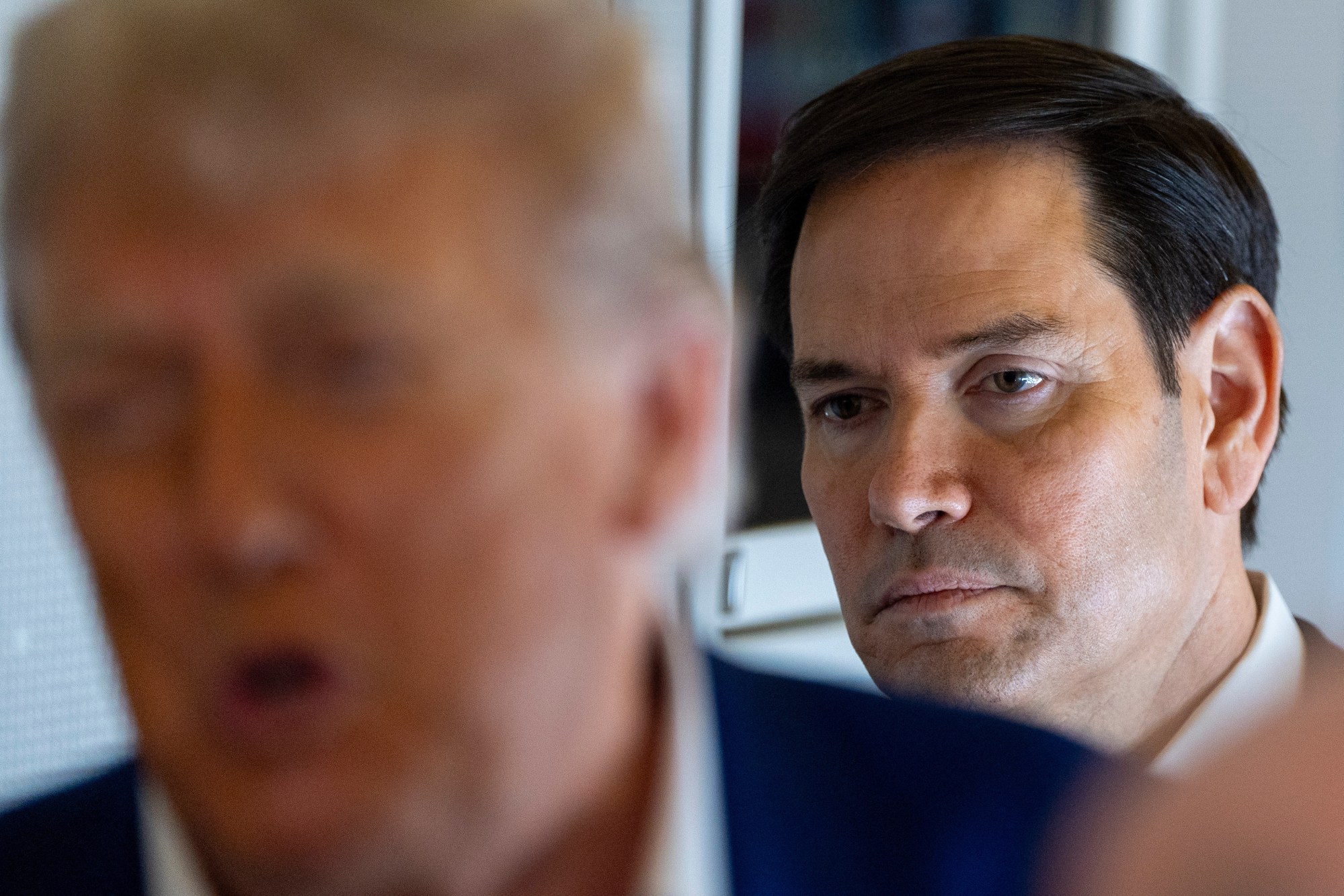
Secretary of State Marco Rubio faces substantial challenges under President Donald Trump’s administration. Rubio, known for his conservative intellectual stance, anticipated a career-defining role leading the Department of State. However, the department’s reputation as a significant force in America’s foreign policy has been diminished during Trump’s presidency.
More than 2,000 seasoned diplomats have been laid off or coerced into leaving during Trump’s second term, contributing to a reduction of nearly 20% of the workforce from the State Department across both terms. This downsizing has left Rubio with a department far less influential than before, missing key diplomatic engagements.
Rubio’s absence at pivotal moments has sometimes led to stark disconnects with Trump, notably concerning the Iran conflict. Despite his hawkish approach, Rubio has struggled to capture the President’s attention. Currently tasked with persuading America’s Gulf allies to accept a peace deal he appears unsupportive of, Rubio played a minimal role in its negotiation.
Early in his term, Trump delegated major negotiations with Iran to close associates like Jared Kushner and Steve Witkoff. These efforts reportedly benefited their personal business interests more than the national agenda, focusing on future real estate ventures rather than effectively negotiating the Iran war in America’s favor.
While Rubio likely felt frustrated by this self-interest-driven diplomacy, he maintained a composed demeanor publicly. Now, Trump has unveiled a peace agreement criticized for resembling a concession instead of a promised victory for America. Republican legislators express concern over the deal’s adverse political implications, especially during upcoming campaigns.
Senator Tim Sheehy (R-Mont.) urged Rubio to assume leadership in negotiations if Vice President JD Vance and the Kushner-Witkoff group fail. Sheehy highlights the precarious situation, advocating for Rubio’s involvement to avoid further conflict.
This push for Rubio’s active participation underscores significant dissatisfaction with Trump’s approach, recognizing the potential electoral toxicity of the agreement. Current polls indicate two-thirds of Americans disapprove of Trump’s conflict management. Furthermore, many Republican leaders believe Trump’s deal overly favors Iran, offering scant rewards for America.
Senator Bill Cassidy (R-La.) criticized the deal, suggesting it unduly relieves Iran of longstanding sanctions without adequate compensation for the U.S. Some voters aligned with the Republican party share these concerns, fearing costly consequences from a fragile peace.
Despite these pressures, Rubio hesitates to assume control of negotiations amidst Trump’s ineffective strategies. After witnessing continuous efforts to undermine the State Department, the Secretary may soon face a daunting challenge: fulfilling his obligations in a tumultuous diplomatic landscape.
Max Burns, a Democratic strategist and founder of Third Degree Strategies, analyzes the situation. This material is protected under copyright 2026 Nexstar Media Inc.
Leave a Reply