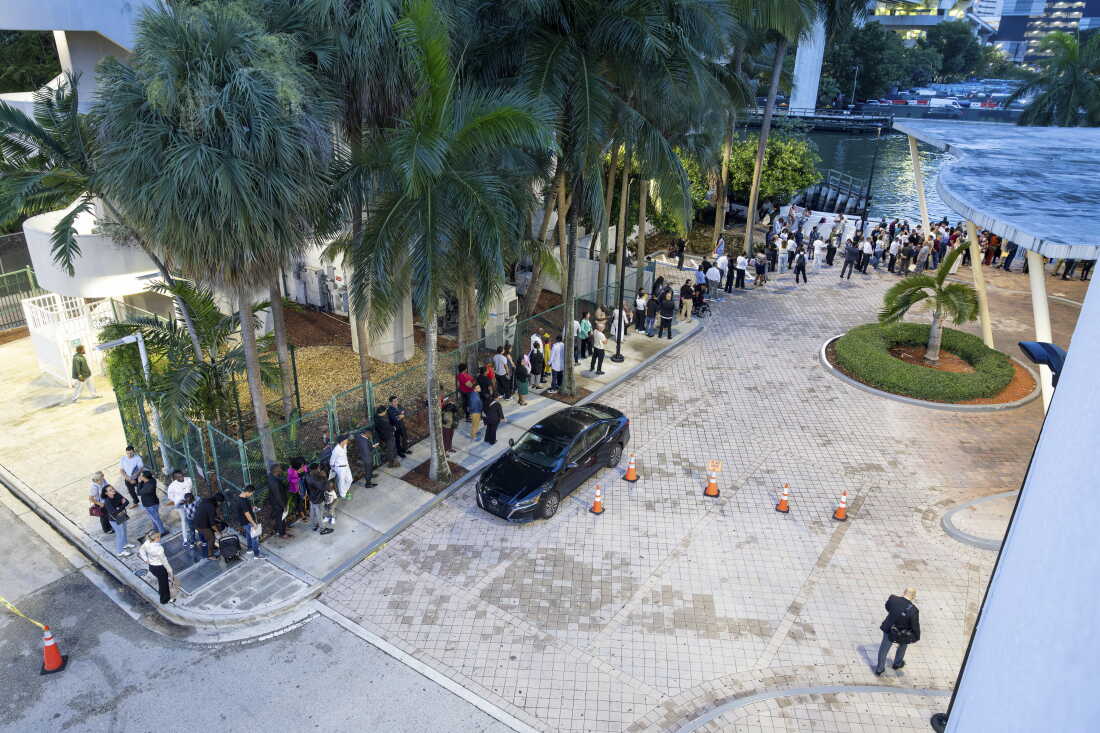
Long lines now define the experience at Miami’s Immigration Court, a consequence of the Trump administration’s ‘mega master’ calendar hearings. This new strategy rapidly advances immigration cases, aiming to clear backlogs. However, it has increased confusion and frustration among those affected.
Growing Line of Immigrants
Yerandy Gonzalez, waiting among hundreds in front of the court, expressed disbelief at the scene. He lit a cigarette, commenting on the ‘crazy’ situation. These people awaited their hearings, many for the first time. Avene Jeanite, a Haitian man, came for his appointment but recalled easier access in the past.
This change results from a tactic introduced to expedite deportations. Judges now handle over 100 cases daily, deviating from the prior average of 36. Critics, like David Wilson from the American Immigration Lawyers Association, argue this approach is unfair and chaotic, causing a high rate of no-shows due to untimely notices and lack of legal representation.
“It’s a very unfair, but very effective tactic,” Wilson stated.
Department Response and Implications
The Justice Department claims reducing court backlogs is a priority. Meanwhile, the Executive Office for Immigration Review adjusts schedules to keep cases lawful and prompt. However, since the hearings began, in-absentia deportation orders have reached unprecedented levels. July saw over 54,000 nationwide orders issued for missed hearings, marking a 60% increase. Miami specifically experienced a 108% rise from May to July.
Courtroom Challenges and Adjustments
Courtroom chaos is evident, with standing-room-only conditions in places like courtroom 24. Large groups, sometimes up to 30 people, hear their rights and receive new hearing dates under tight deadlines, sometimes within just two weeks. Factors such as increased arrests and rescheduling of proceedings originally set for years later contribute to the backlog. Cases once deemed low-priority now receive immediate attention.
Yeriné, a Venezuelan mother, shared her anxiety over her rescheduled appointment. Concerned about the long lines, she fears missing her hearing could be detrimental.
Operational Complications
The operational efficiency of the court suffers as a result. Long waits translate to late appearances for many immigrants with scheduled hearings. Billie Botch, a court observer, noted the clear correlation between congested proceedings and increased removal orders. Lack of time and resources hampers effective legal arguments for many immigrants.
Leave a Reply