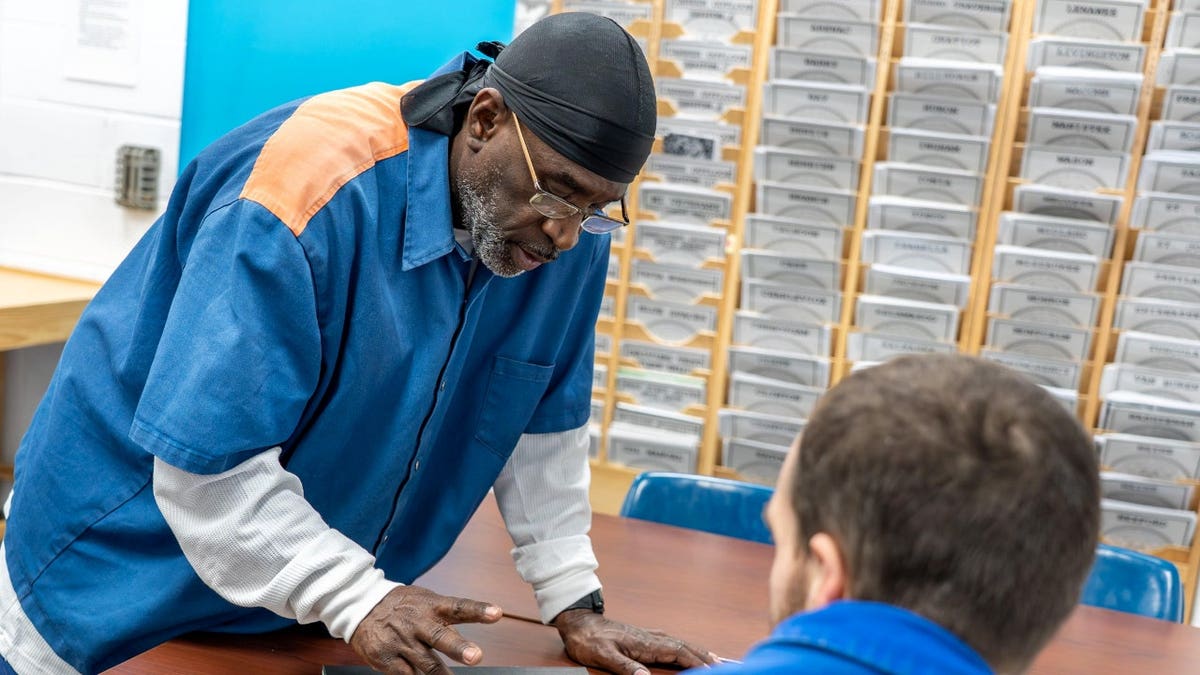
Incarcerated men in Michigan are getting a new kind of help. A test is underway for technology that could change their prison living conditions based on computer-generated scores. But is technology the right tool for predicting prison violence?
A New Technology in Michigan Prisons
The Michigan Department of Corrections is preparing to test a system that reviews an incarcerated person’s security level. The system could predict future violence more accurately, by up to 30%, according to state officials. This change could enhance the safety for both prisoners and correctional officers.
This new system isn’t driven by artificial intelligence, as some reports have suggested. Instead, the process uses a computer program that follows rules set by corrections staff. These employees will make the last call, not the software.
The System’s Functional Mechanism
The Recidiviz-developed software is set to be tested in selected men’s prisons on December 1. If successful, it may expand to other prisons. Currently, the system allows staff to reassess frequently using updated data from prison records. Recent behavior may weigh more heavily in determining security levels.
The technology examines factors chosen by corrections experts, adding points based on specific behaviors. For instance, participating in rehabilitation programs might earn someone a lower security status. The goal is to place individuals at a security level fitting their current behavior.
According to Recidiviz, while AI aids other tasks, the security scoring remains human reviewed. This approach aims to ensure accuracy and include human judgment where necessary.
Challenges and Potential Benefits
Michigan uses several security levels from I to V; Level I offers more freedom, while Level V provides strict supervision. The new system hopes to more accurately assign individuals to suitable levels.
Yet a challenge remains. Even with accurate assessments, Michigan needs enough high-security housing. Recent incidents of violence highlight this need. The state plans to add 870 high-security beds, but construction will take time.
Byron Osborn, representing Michigan corrections officers, emphasized the need for immediate solutions, as violent incidents continue in prison.
Michigan’s Future with Prison Technology
This new approach could improve safety in Michigan prisons by classifying accurately and addressing needs through additional resources. Director Heidi E. Washington expressed optimism, suggesting historical data combined with consistent reviews helps maintain security.
However, success remains reliant on having sufficient resources and spaces to adjust when high-security needs are identified. Even top systems can fail without proper places to accommodate individuals who require extra supervision.
“Classifying prisoners at the security level that fits their current behaviors and needs keeps everyone safer,” Washington said.
Key Takeaways
The upcoming pilot leaves open questions about the practicality of computer-scored assessments in predicting danger. Real-world effectiveness will require more than technology. Officials must back these innovations with physical resources to ensure shelters match the level of required security. Watch what happens following December 1 to see how this effort shapes Michigan’s correctional landscape—could it set new standards in prison management?
Leave a Reply