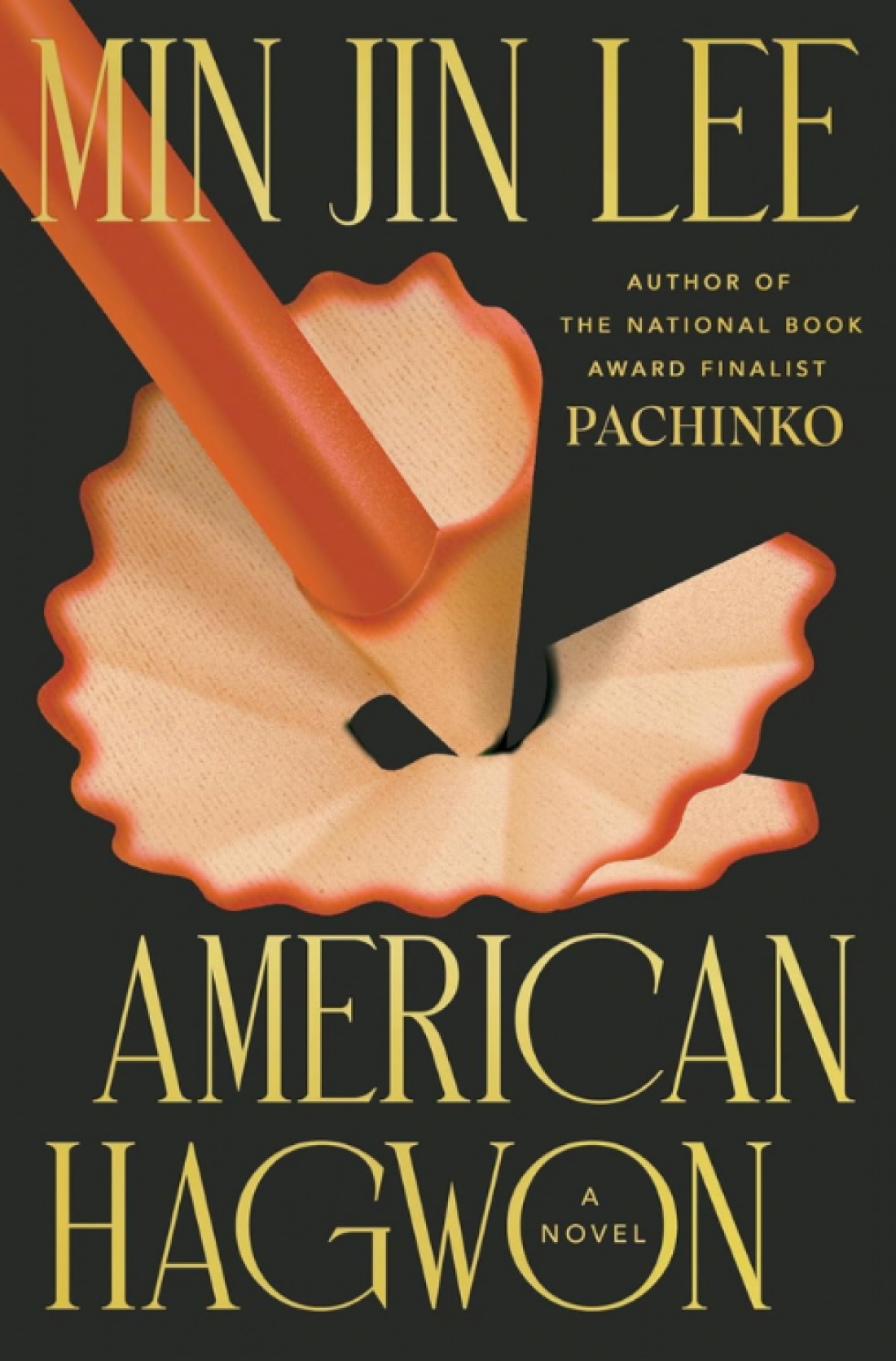
Cardinal Min Jin Lee’s novel, “American Hagwon,” has taken nearly a decade to come to fruition. If the process had been twice as long, it would still amaze readers how Lee managed to hold onto such vivid stories and characters throughout. As her third contribution to a planned four-novel series addressing Korean diaspora themes, the novel follows “Pachinko,” a National Book Award finalist. “American Hagwon” is a vast yet intimate tale that delves into immigration complexities, the precarious promise of America, and the educational purpose. Despite its over 600 pages, readers find it difficult to part ways with its compelling characters.
The novel centers on the Koh family, sweeping from 1992 to 2007. Initially, John and Helen Koh are found returning to Seoul, South Korea, after a six-year stint in Sydney, Australia. John worked for a Korean conglomerate there. Prior to Australia, the Koh family lived in the U.S., where their children, Bo, DH, and Mido were born in Paramus, New Jersey. Due to their transient lifestyle, South Korea no longer feels entirely like home, especially for 13-year-old Mido, who struggles in school. Korea becomes yet another temporary location due to a betrayal within John’s company.
Taehun Shin, John’s longtime friend and superior, faces personal turmoil involving a passionate affair with an employee, Danbi. When Danbi pressures Shin to divorce, he orders John to sabotage Danbi professionally. Despite John’s integrity, he eventually complies, leading to Danbi’s cunning retaliation against him. The plot jumps to 1997 during the Asian financial crisis, wreaking havoc. Many, including the Koh family and several other characters, end up in Southern California.
A supportive network aids their adaptation, though the Kohs must adjust to a more modest lifestyle. John works at Shrimp Castle in a Korean mall, enduring long, taxing hours. His circumstances highlight the enduring work ethic showcased by various characters who labor relentlessly.
Later in the story, Shin’s estranged wife, Mary, becomes prominent. She reflects from her florist’s shop in New Jersey, contemplating the notion that relentless work burdens could potentially lead to illness and death. The Koh children carry hopes for a brighter future, working in a private prep academy known as a hagwon. Traditionally, these academies aim for academic excellence and Ivy League placements. However, the academy they work at operates under the ideals of its Korean American founder, Lion. He emphasizes education’s transformative potential.
The novel’s poignant scene toward the end features Lion addressing Korean parents on education’s value beyond mere transactions. This discourse serves as a fierce advocate for a liberal arts education. Lee’s unique writing style defies conventional “show, don’t tell” methods, offering ample exposition yet maintaining an engaging narrative. Her prowess evokes profound realizations even from the most mundane elements.
The concluding sentence of “American Hagwon” utilizes subtle yet impactful language, delivering a spiritually inspiring and emotionally captivating ending. An extraordinary book.
Leave a Reply