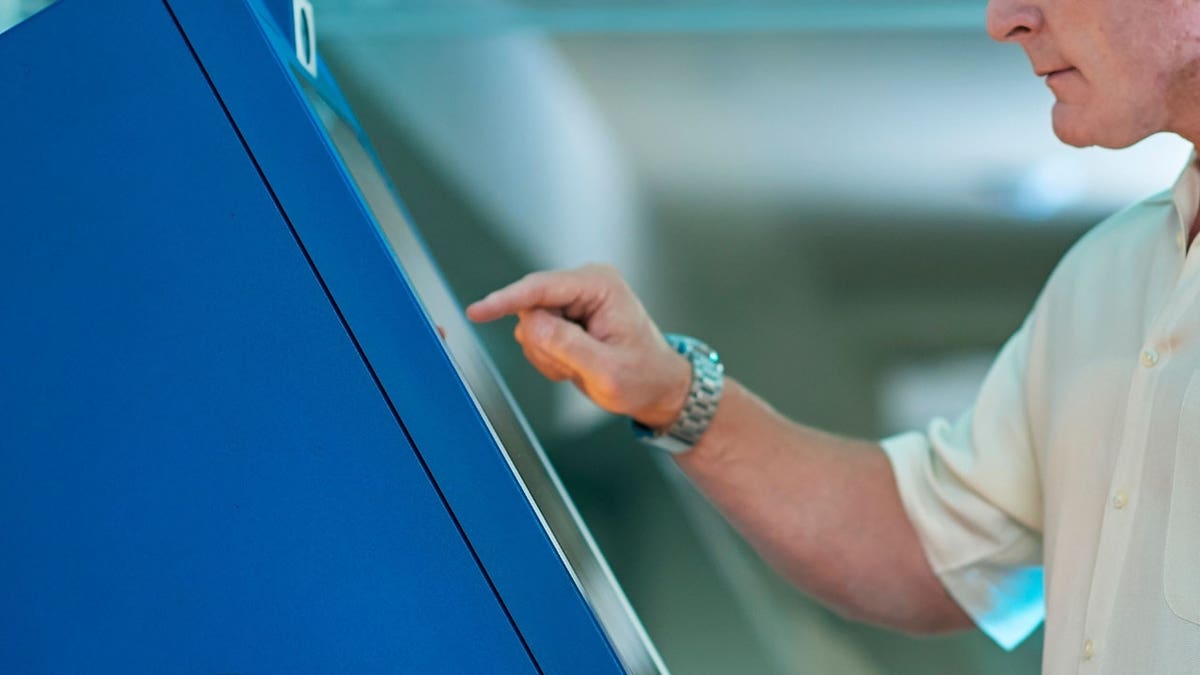
Minnesota has decided to ban cryptocurrency ATMs as part of a crackdown on scams that have cost residents nearly $1 million in recent years. These kiosks allow quick conversion of cash into digital currency, making them popular tools for scammers. The ban will take effect on August 1, 2026, with operators required to remove publicly accessible machines by the end of 2025.
Rising Scams and Losses
Between 2023 and 2025, Minnesota recorded 134 complaints related to crypto kiosk scams, with reported losses nearing $1 million. In 2025 alone, there were 70 cases, resulting in over $540,000 in losses. Many cases go unreported due to victims feeling embarrassed or fearing judgment from family members.
Despite previous attempts to add safeguards, scammers adapted by coaching victims through transactions. Minnesota is now taking more decisive action by removing these machines from public areas.
Challenges with Crypto ATM Scams
Crypto kiosks pose significant challenges because transactions occur rapidly and leave little room for recovery. Unlike bank transfers or credit card payments, once digital currency is transferred, it can move quickly across multiple wallets.
This leaves victims in a difficult position. Often, they realize the scam only moments after sending money. By then, the funds have been converted to cryptocurrency and moved out of their reach. Scammers rely on fear to prompt quick decision-making.
Common Tactics Used by Scammers
Scammers use pressure tactics, often claiming emergencies. Calls might suggest missed jury duty or a legal threat, prompting victims to withdraw cash and convert it at a crypto kiosk. Scammers stay on the line, providing instructions and urging victims to ignore warnings.
Real-world cases demonstrate how fast money can disappear. One victim, Gail Barr, lost $9,260 after scammers claimed she missed jury duty. Another case involved an 85-year-old man losing $200,000 in a fake PayPal refund scam.
Many victims initially believe they are resolving a crisis or helping someone. The regret comes only after the transaction is completed, and the money is gone.
Nationwide Scam Trends
Minnesota is not alone in battling this issue. The FBI’s Internet Crime Complaint Center received over 13,400 complaints involving crypto kiosks in 2025, with reported losses exceeding $388 million, the majority involving individuals over 50.
The simplicity of these scams lies in exploiting human emotions. Older adults, likely to have savings and be more trusting, often become targets.
Implications for Other States
Minnesota’s bold move could serve as an example for other states. If this ban reduces losses, lawmakers may consider regulating crypto kiosks more strictly elsewhere.
Critics argue that these machines have legitimate uses and that scammers might find new methods. However, limiting one fast cash-to-crypto mechanism may give potential victims a crucial pause.
Preventive Tips Against Scams
- Hang up immediately if someone demands crypto payment. Legitimate agencies do not request payments in digital currency.
- Verify emergencies before sending money. Contact the person allegedly in trouble directly or confirm with another family member.
- Minimize personal information exposure by using data removal services.
- Beware of coaching at the ATM. Scammers often instruct victims step-by-step.
- Use strong antivirus software to block scam links.
- Discuss large withdrawals with your bank. Bank employees may recognize potential scams.
- Consider identity theft protection after falling victim.
- Report scams promptly to local authorities and relevant fraud centers.
Minnesota stands as a cautionary tale and a pioneer in tackling the risks associated with crypto kiosks. Removing these machines could give individuals the time they need to distinguish a scam from legitimate transactions.
Leave a Reply