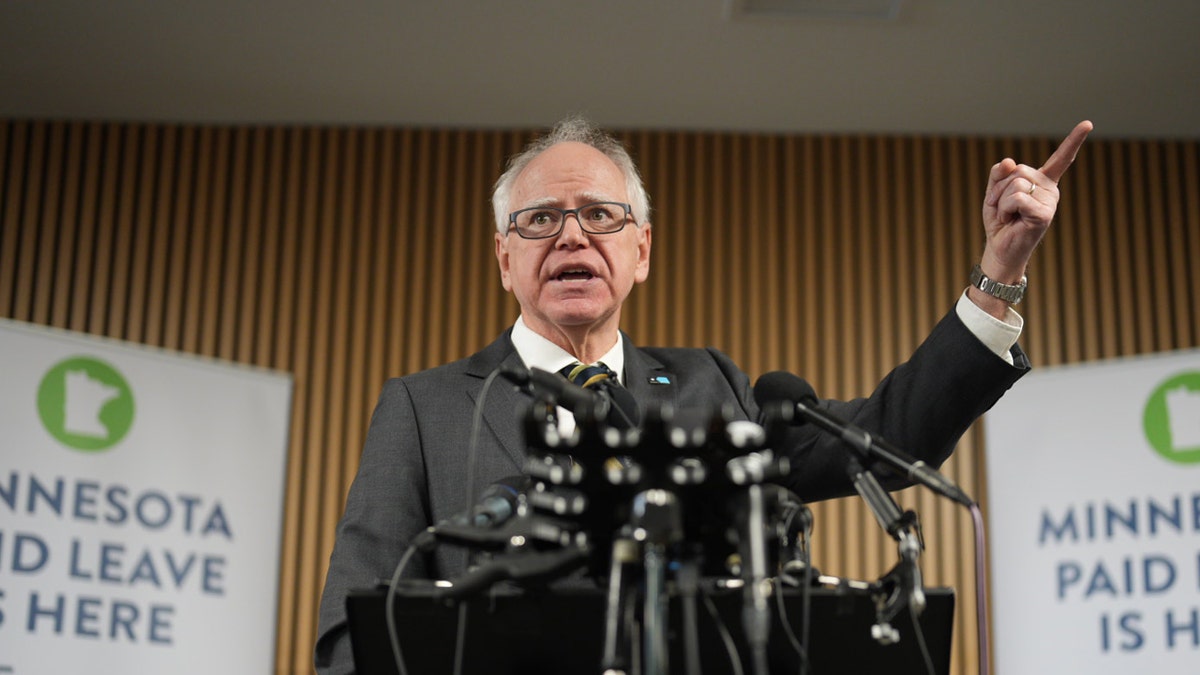
A Minnesota state Senate candidate, Heidi Heino, has highlighted what she sees as significant weaknesses in a fraud prevention law signed by Governor Tim Walz. After testing the law against past fraud cases in the state, she found it lacking in key areas.
The law, known as the Office of the Inspector General’s law, was created to facilitate an independent statewide watchdog. It aims to oversee inspectors general, investigate alleged fraud across state programs, establish fraud prevention standards, and improve coordination and data sharing.
Heino, a Republican candidate for Minnesota’s 36th Senate District, put the law to the test against the Feeding Our Future scheme and other historical fraud cases in Minnesota. Her findings suggest the law would have discovered the frauds, but only after significant financial losses.
Heino said, “When I stress tested against Feeding Our Future and some other schemes in Minnesota, it would have eventually found the fraud, but not before the money was gone, leaving us trying to recover it.”
This law comes as the state is dealing with the effects of extensive fraud involving childcare, autism, housing, and disability services. Republicans have pointed fingers at failures in leadership and oversight, while the Trump administration initiated a federal anti-fraud task force led by Vice President JD Vance.
With experience as a corporate leader in underwriting, Heino applied similar review processes to evaluate the state’s fraud defenses. She used a significant 2,800% increase in payments to Feeding Our Future from 2020 to 2021 as a key indicator in her test. Such an increase should have automatically prompted further investigation, as this scheme allegedly diverted $250 million from a federally funded child nutrition program during the COVID-19 pandemic.
“You don’t need to be a detective to spot the issue,” Heino said. She noted that investigating claims and requiring verification signatures could prevent future frauds.
Heino also criticized how Feeding Our Future handled complaints against itself. She noted that 30 complaints were made to the Minnesota Department of Education, often overlooked or inadequately addressed by the accused entity itself.
To address these gaps, Heino advocated for freezing payments immediately, doing thorough reviews, and conducting independent audits.
“The OIG has a decent framework, but it lacks strength,” she asserted.
Without additional audits, Heino doubts that Minnesota can identify holes in their fraud prevention, arguing that increased oversight would be more cost-effective than falling victim to fraud losses.
Heino mentioned similar risks with current state programs like Minnesota’s Paid Leave program, highlighting how payments could be made before proper verification.
She acknowledged the law as a “good first step” but felt it needed to go further. “We must allocate resources to those who truly need them and stop fraudsters from exploiting our system,” Heino said, frustrated that Minnesota is perceived negatively due to these scandals.
Fox News Digital contacted Walz’s office and the Minnesota Department of Education for comments, but there was no immediate response.
Leave a Reply