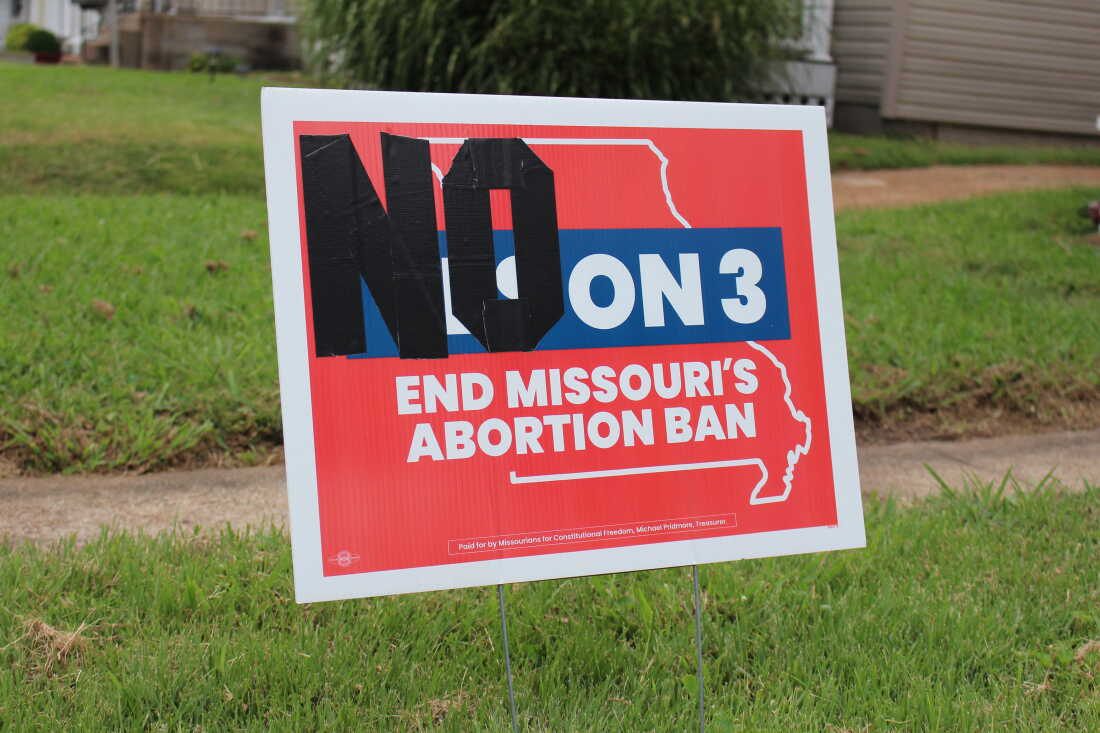
MAPLEWOOD, Mo. — The debate over abortion access in Missouri continues as voters face new decisions on Amendment 3 in the upcoming elections. In 2024, a majority voted “yes” to add abortion protections to the state constitution. However, in 2026, a “no” vote on the same amendment would be necessary to retain those safeguards.
Missouri resident Kelly McCoomb modified her 2024 yard sign using duct tape and displayed it again in her yard. McCoomb emphasizes the importance of abortion access, wanting her daughter to have options in the future. The sign represents the day when Missouri reversed its strict abortion ban.
The conflicting measures have sown confusion among voters. In the upcoming election, the Republican-led legislature is attempting to overturn the protections previously supported. While 2024 saw a “yes” vote for protections, 2026 requires a “no” vote to maintain them. This scenario is similar in other states facing votes on reproductive rights policies.
I have little faith in our Missouri government
, McCoomb shared, reflecting wider concerns. Such concerns are heightened as states navigate diverse abortion approaches following the 2022 Dobbs v. Jackson Women’s Health Organization decision.
State-by-State Variation
As various states determine their own abortion policies, disparities emerge. Missouri faces unique challenges, being one of the few states voting to potentially remove established protections. Contrastingly, Nevada pursues securing and enshrining abortion rights through the upcoming ballot measure.
Idaho plans to vote on whether abortion should be allowed through fetal viability, aiming to counter one of the country’s strictest bans. Utah offers abortion availability up to 18 weeks, while Virginia considers constitutional amendments relating to trimesters.
Missouri’s legislative moves attract attention. They seek to replace the 2024 amendment with a ban having exceptions for medical emergencies and pregnancies from rape or incest, limited to 12 weeks.
Impact on Voters and Organizations
This legislative journey has been complex for voters and organizations alike. Planned Parenthood Great Rivers CEO Margot Riphagen-Dunn notes that repeated votes cause patient confusion regarding abortion access. Opponents of abortion are also troubled by the confusion.
Reagan Barklage from Students for Life of America faces challenges ensuring voters understand they must vote “yes” to remove protections previously voted “no” upon. He stresses the need for clarity in the voting process.
McCoomb’s efforts to adapt her sign remind the community of the ongoing battle over abortion rights. As voters reengage, the evolving legal landscape continues to affect access and public sentiment.
KFF Health News provides thorough journalism on health issues. It is part of KFF’s mission for independent health policy research, analysis, and reporting.
Leave a Reply