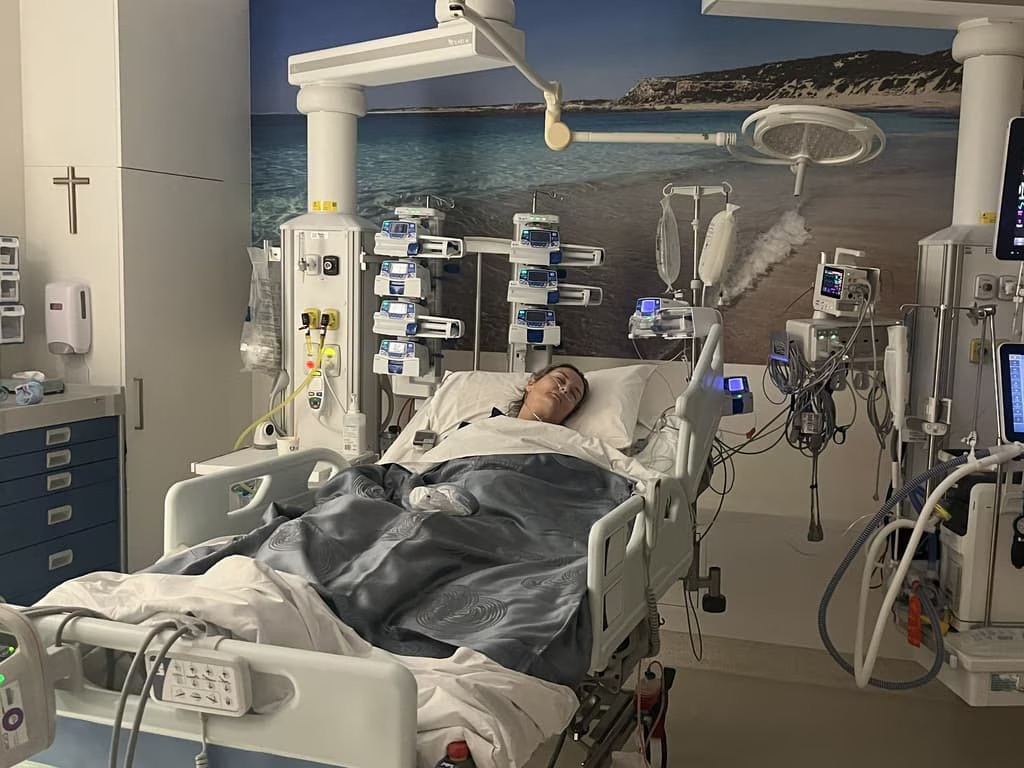
A 40-year-old mother from Adelaide, Helen Worthington, is facing an intense health battle. After waking with what she thought was gastro pain, she was diagnosed with Stage 4 bowel cancer.
Worthington, a primary school teacher, initially dismissed her symptoms as minor. However, after failing to book a GP appointment, she went to the emergency department. There, doctors took her condition seriously. They discovered her cancer had advanced and spread to her liver.
Reflecting on the diagnosis, Worthington expressed surprise at how cancer developed with minimal symptoms, except slight fatigue. She underwent emergency surgery and began chemotherapy immediately. Worthington admitted it was tough to inform her 12-year-old daughter, Molly, as the prognosis remained uncertain.
The cancer, having a BRAF V600E mutation, demands aggressive treatment. Worthington has completed 27 rounds of chemotherapy with no set end, aiming to control the cancer for as long as possible.
The Role of Exercise in Cancer Treatment
Exercise has become an essential part of Worthington’s treatment plan. Her sister-in-law, an oncology physiotherapist, advised incorporating it; Worthington credits medically prescribed exercise for improving her physical and mental health.
She works with Lauren Whiting from Lift Cancer Care Services, gaining fitness and strength even during chemotherapy. Exercise offers Worthington control over her well-being, distinct from her cancer management.
The Clinical Oncology Society of Australia supports exercise in cancer care. Patients are advised to engage in 150 minutes of moderate aerobic exercise weekly, alongside strength sessions. Such routines can mitigate side effects and improve outcomes.
Whiting emphasizes that medically prescribed exercise involves personalized interventions, considering each patient’s diagnosis, treatment, and overall health. Rest is crucial when needed, but inactivity risks muscle loss and fatigue.
An economic analysis by Deloitte Access Economics shows that every $1 invested in exercise physiology can yield $3 in benefits. However, Whiting notes that accessible exercise programs for cancer patients remain sporadic, hindered by a lack of systematic support, funding, and infrastructure.
Leave a Reply