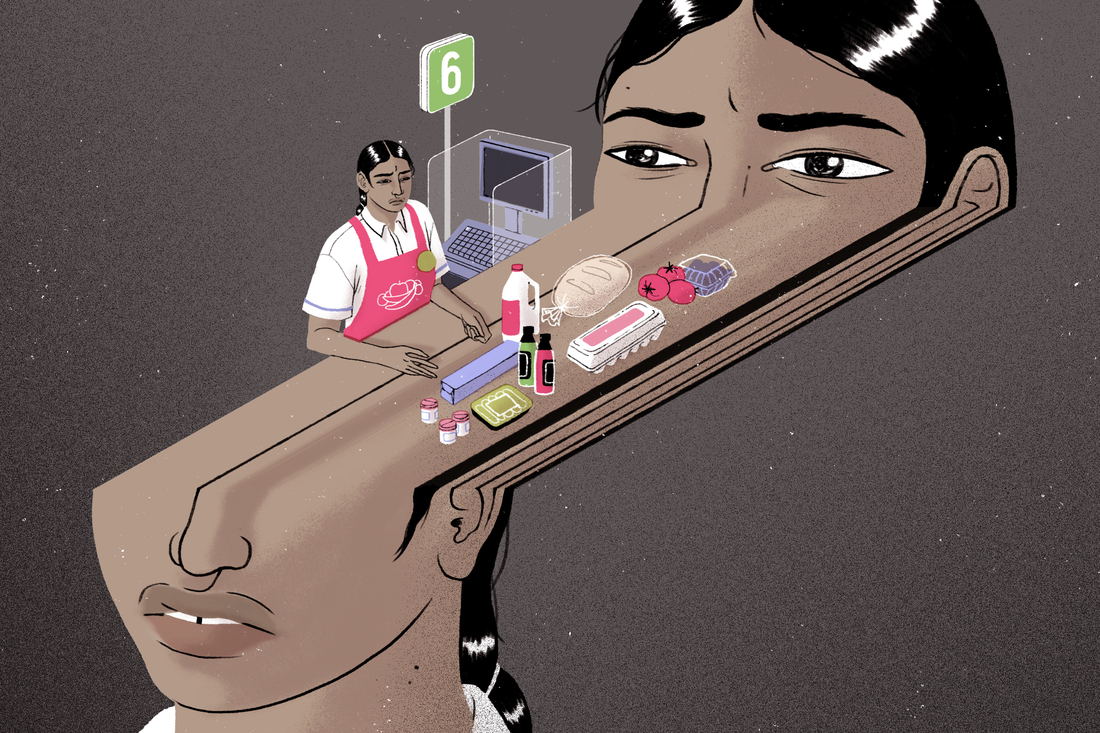
The right headspace is crucial for job performance, yet mental health challenges like depression, burnout, and anxiety can make work difficult. The stigma surrounding taking time off for mental health differs from that for physical health.
Understanding Mental Health Needs
Jody Adewale, a psychologist and medical advisor for Made of Millions, notes that addressing mental health is crucial and not a sign of weakness. Most people experience mental health challenges at some point.
“It’s not a character flaw or a character defect or a sign of weakness,” Adewale says. “It’s something that everyone will experience at one point or another.”
Life Kit consulted experts on identifying mental health issues and available options. While no job is perfect, tools exist to improve work conditions.
Identifying Signs of Decline
Monitor your body for increased tension, sleep loss, or appetite changes. You can support coworkers by recognizing five signs of emotional suffering. These include drastic personality change, agitation, social withdrawal, poor hygiene, and feelings of hopelessness. Spotting even one sign warrants checking in with yourself or others.
Consider whether changing habits, talking to a friend, or reducing social media might help. Alternatively, it may be time to highlight workplace concerns.
Seeking Resources
Upon recognizing a need for help, reach out to a trusted colleague or supervisor. Supervisors might know about helpful resources. Use caution with HR, as it prioritizes company interests. If your employer reacts negatively to your mental health concerns, the U.S. Equal Employment Opportunity Commission can assist.
Employ the DEAR method in conversations:
- D – Describe the situation with facts.
- E – Express the impact on you.
- A – Assert your needs.
- R – Reinforce mutual benefits.
Use the MAN method to maintain focus:
- M – Mindfulness of words and presence.
- A – Assertiveness when addressing issues.
- N – Negotiation about compromises.
e.g., Set boundaries for communication.
Your boss or coworker is not a therapist, but can direct you to resources like Employee Assistance Programs (EAP), offering free therapy sessions.
Taking Time Off
If therapy doesn’t suffice, consider taking time off work for recuperation. This could range from one day to several months. Human resources can provide information on short-term disability leave for mental health.
Siobhan Neela-Stock, a journalist from Vermont, took over two months off to recover from a challenging work setting. Her positive responses online show increasing advocacy for mental health leave.
Fostering Safe Workplaces
Mental health improvement begins with safe workplaces. “Psychological safety,” coined by Amy Edmondson, emphasizes environments where employees can share openly without fear of losing opportunities.
Aviles advocates vulnerability among coworkers, from offices to kitchens, ensuring affected voices are heard. Employers should remain open to feedback and allow space for mistakes as learning opportunities. This growth mindset enhances innovation and creativity.
Resources
- CDC offers management resources and glossary.
- Mental Health First Aid training info.
- Made of Millions’ global directory of resources.
- Not 9 to 5 offers hospitality and foodservice mental health advocacy.
- ShiftCollab’s guide to psychological safety at work.
- U.S. Equal Employment Opportunity Commission’s rights explanation.
This article’s podcast was crafted by Andee Tagle. Share life hacks by voicemail at 202-216-9823 or email [email protected]. You could feature in a future episode.
Leave a Reply