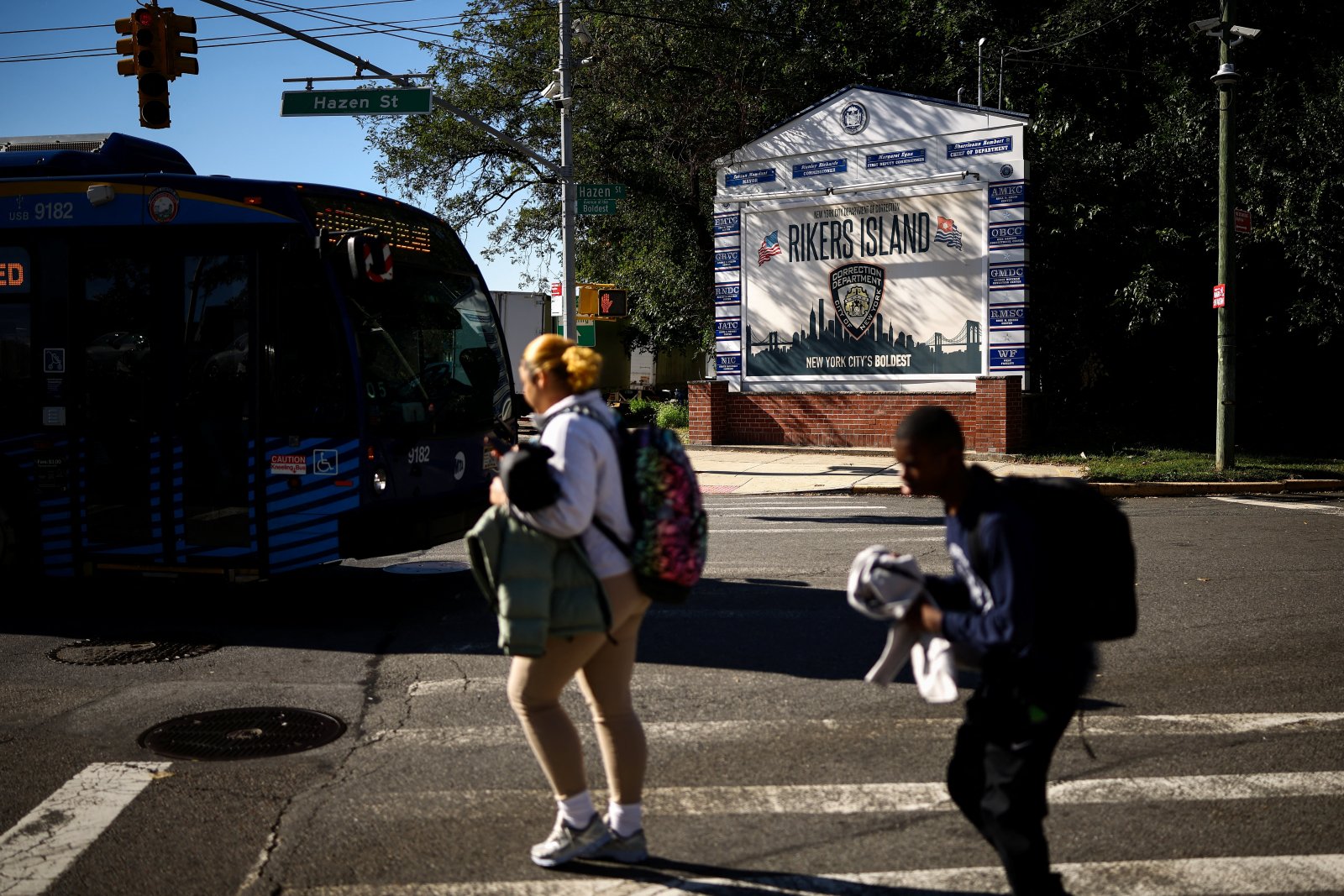
New York City Mayor Zohran Mamdani has announced a plan to close Rikers Island, contingent on reducing the city’s incarcerated population by nearly 2,500. The city aims to implement four new jails as part of a system to accommodate 4,500 individuals, including 340 in hospital-based therapeutic units. At present, around 6,000 people are incarcerated, necessitating an approximate 38 percent decrease to meet the 2032 closure date for Rikers.
Planning for Reduction
The administration has shared scenarios in which the jail population might decrease to about 4,100. This is a crucial aspect of the strategic plan to ensure future success. Zachary Katznelson, executive director of the Independent Rikers Commission, praises the plan as a step forward in public safety and a more humane correctional system.
Challenges and Advocates’ Views
Opinions vary on shutting down Rikers. While some advocate for its closure due to its history of human rights abuses, others worry about potential risks. Donna Lieberman from the New York Civil Liberties Union stressed the urgency of closing Rikers, citing a legal mandate for its closure by 2027.
Strategies for Population Reduction
Diversion of Low-Risk Individuals
The plan aims to prevent jailing around 1,000 low-risk individuals, focusing on alternatives that provide necessary support instead of incarceration.
Releases and Alternative Programs
An estimated 700 people could be released through assessment programs. The plan allocates $5 million annually for alternatives to incarceration, showing a positive track record of reducing recidivism.
Speeding Up Legal Processes
With lengthy detainment times, reforms would involve cooperating with the Office of Court Administration and legal entities to expedite case handling.
Repeat Offenders and Recidivism
Almost half of new jail admissions involve returnees from Rikers. The city focuses on reducing this through support services, with a goal of significant reductions in repeat offenses.
Impact of Longer Stays
Though new admissions have decreased, longer stays worsen overcrowding at Rikers. Efforts focus on resolving cases quicker, benefiting those incarcerated and victims awaiting justice. The report noted the need to improve conditions for people with serious mental illnesses, further impacting the population rates.
Future Jail Plans
Rikers’ closure would see detainees relocated to four borough-based jails. Brooklyn’s facility is expected to be operational by 2029, with others in Bronx and Queens ready by 2031. Improved facilities will aim at better conditions and healthcare access.
Role of Broader System Collaborations
Successfully reducing the jail population requires collaboration across the justice system. Entities like district attorneys, judges, and nonprofit organizations must align with City Hall’s goals.
Katznelson mentioned the necessity of working with the administration to reach benchmarks critical for closing Rikers and building a better system.
Leave a Reply