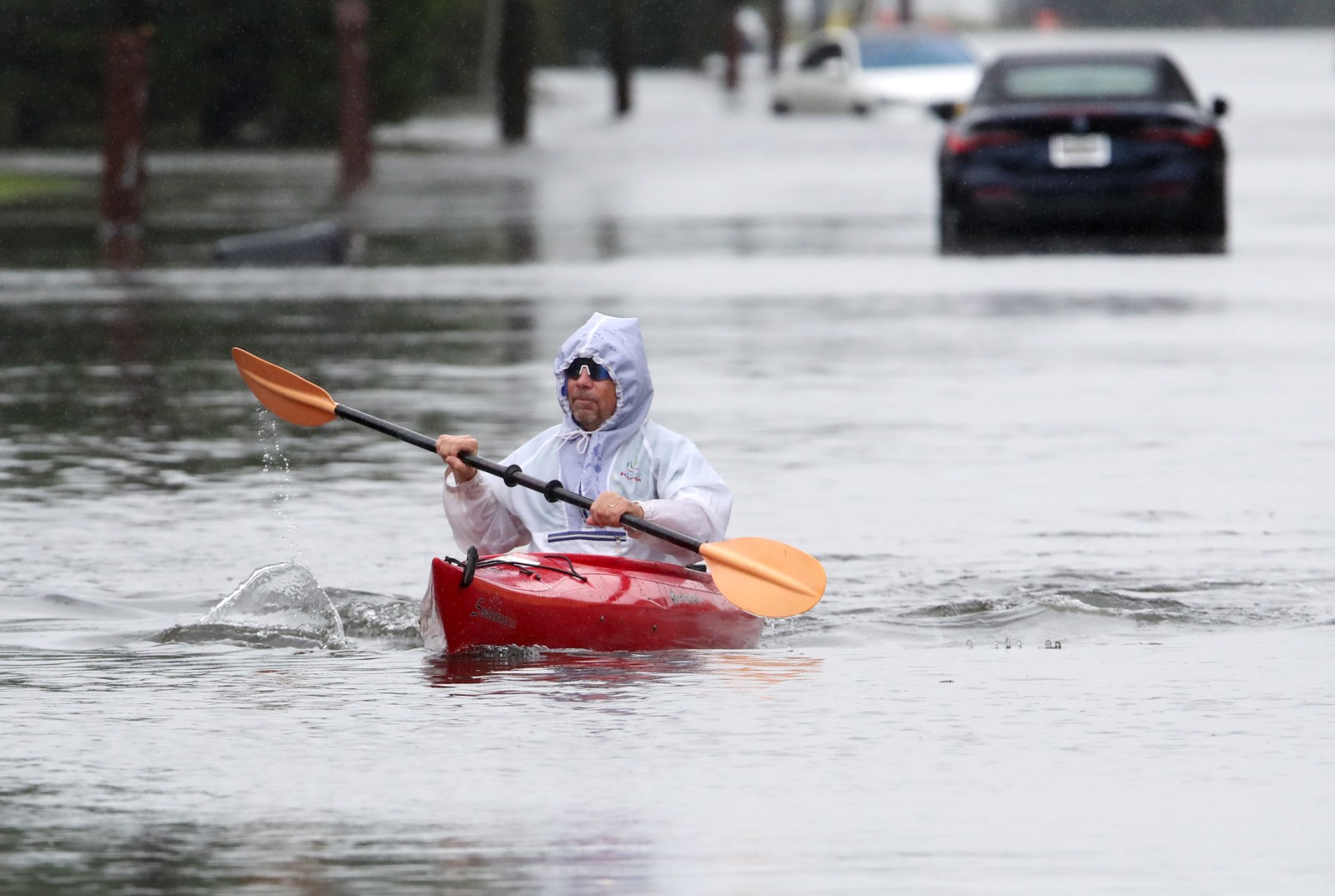
Storm Hits Eastern Seaboard with Flooding and Power Outages
A powerful nor’easter swept through the Eastern Seaboard, causing flooding, widespread power outages, and significant travel disruptions on Saturday. Heavy rain and strong winds hit coastal communities hard. Coastal flood warnings remain in place, as forecasters anticipate additional rain, high tides, and damaging winds through Monday.
The storm prompted evacuations, submerged roads, and left tens of thousands without electricity. Forecasters predict the slow-moving system will linger near the New Jersey coast before gradually moving northeast, maintaining the threat of flooding, erosion, and travel delays.
Understanding Nor’easters
The National Weather Service (NWS) describes nor’easters as storms along the East Coast where winds typically originate from the northeast. These storms occur year-round but are most prevalent and intense from September to April. Nor’easters frequently bring heavy rain or snow, gale-force winds, rough seas, and sometimes coastal flooding.
February’s nor’easter left a notable impact, delivering record-breaking snowfall to the Northeast, including nearly 38 inches in Rhode Island.
Growing Flooding Concerns Amid High Tides and Heavy Rain
Coastal flooding emerged as a primary concern on Saturday due to strong onshore winds and unusually high tides. Roads flooded along the Jersey Shore, and water inundated waterfront communities near New York City. Vehicles became trapped, and neighborhoods just above sea level experienced significant flooding.
In Edgewater, New Jersey, emergency crews evacuated residents from a flooded hotel, reported The New York Times. They rescued about 20 people and continued operations throughout the morning. Flooded streets were reported in Point Pleasant, Belmar, and other Jersey Shore areas. In Queens, New York, water filled residential streets in Hamilton Beach during high tide, with warnings of further inundation.
New Jersey authorities advised evacuations in vulnerable areas. Manasquan issued voluntary evacuations for low-lying sections, cautioning that emergency access might become difficult with rising waters. Flooding closed the George Redding Bridge in North Wildwood, limiting access to the barrier island.
Ellie Hodge from Norfolk, Virginia, reported ongoing flooding due to the nor’easter. Cars frequently stalled on roads and sidewalks. Ocean City, Maryland, faced beach erosion and flood impacts, the Associated Press noted.
Significant Power Outages Across the Northeast
Strong winds posed a major threat beyond the coastline, with gusts over 50 mph reported widely. Nantucket, Massachusetts, recorded 62-mph gusts. Meteorologists warn that saturated ground and high winds increase the risk of trees falling and downing power lines.
Power outages surged as the storm intensified. PowerOutage.us reported over 91,000 customers without electricity in states like New York, New Jersey, Pennsylvania, and Connecticut. Utilities cautioned that high winds might hamper repair efforts.
Local officials urged residents to stay away from downed wires and report damaged infrastructure. New York Governor Kathy Hochul warned that outages could persist while winds over 60 mph continue affecting coastal communities.
NWS forecaster Bob Oravec noted that though nor’easters aren’t uncommon in fall, this storm arrived early compared to usual patterns.
Travel Delays and Disruptions
The storm disrupted air travel, especially in New England. Boston Logan International Airport faced over 250 cancellations, affecting about a quarter of scheduled flights. Smaller Massachusetts airports faced more severe challenges.
In the New York metropolitan area, airports recorded numerous delays. Air traffic controllers warned of possible ground stops if winds worsen. LaGuardia Airport experienced delays as airlines navigated changing conditions.
Travel disruptions extended to rail services. Amtrak canceled several routes, while rail services between Connecticut and Massachusetts were suspended. Bus services provided alternate connectivity.
Forecast for Continued Rain and Flooding Risks
Forecasts call for an additional two to six inches of rain across parts of the Northeast. Eastern Long Island, coastal Massachusetts, and Cape Cod may receive the highest totals. Rainfall rates could briefly reach an inch per hour, increasing localized flooding risks.
The National Weather Service has issued warnings for coastal flooding through Sunday evening across northeastern New Jersey, southeastern New York, and the Massachusetts coastline. Each high-tide cycle poses a risk for further inundation.
Long Island faces significant concerns with predicted waves of 7 to 10 feet along its southern shore, raising concerns of beach erosion and flooding.
New York City officials warned of heavy rain bands Saturday night affecting Jamaica Bay, the Rockaways, coastal Bronx, and northern Queens. Precaution is advised as tides peak, and residents are urged to avoid beaches and waterways.
Leave a Reply