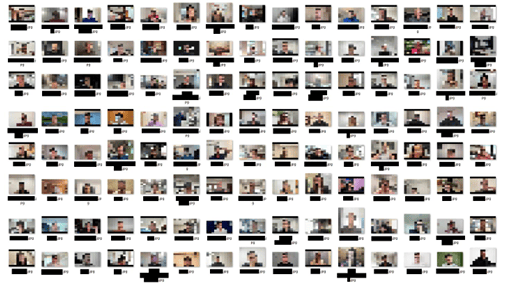
North Korean hackers have unlawfully seized more than $400 million in cryptocurrency through a scheme using fake video calls, the FBI has reported. Known as “FaceStealer,” this operation involves hijacking messaging accounts, capturing webcam footage, and using video call platforms to distribute malware.
How FaceStealer Operates
The FBI has identified six stages of this scam, highlighting how each victim can lead the hackers to further targets.
Stage 1: Compromising the First Victim
Hackers begin by targeting a computer already compromised. They search for cryptocurrency wallets and passwords. They gain access to contacts and messages and secretly record the victim’s webcam pending a video call.
Stage 2: Hijacking Messaging Accounts
Hackers take over accounts on platforms like Telegram, LinkedIn, Slack, and Discord. They pose as the account holder to arrange video calls with friends and colleagues, making these meetings appear genuine by using previous messages.
Stage 3: Setting Up Fake Video Calls
Hackers may utilize scheduling services like Calendly. Shortly before the call, targets receive links to fake video conferencing websites controlled by hackers.
Stage 4: Playing Secretly Recorded Footage
Upon joining, targets believe they see familiar faces on camera. In fact, hackers are showing recorded footage to simulate a real meeting with multiple attendees.
Stage 5: Tricking Victims Into Installing Malware
Hackers create a fake technical issue, instructing targets to download an update or run code. This action installs malware to steal data and record keystrokes.
Stage 6: Repeating the Attack
With new access, hackers continue to steal from and impersonate victims. They may delay theft, waiting for cryptocurrency wallet balances to grow before striking.
Deepfake Videos and Wider Exposure
The FBI noted that hackers increasingly use AI-generated deepfake videos to impersonate key figures in the cryptocurrency industry. Despite this, stolen genuine webcam footage remains the scheme’s backbone.
Hackers also targeted software developers, including those managing a popular JavaScript library, using the compromised access to potentially spread malicious software. An attack on a developer was intercepted before it caused widespread harm.
FBI’s Response
The Justice Department seized infrastructure used in these attacks. The perpetrators are linked to North Korean state-sponsored groups like Sapphire Sleet, BlueNoroff, and Stardust Chollima, believed to fund weapons programs through crypto theft.
Protect Yourself
The FBI advises skepticism of unexpected video calls, even from known contacts. Red flags include prompts to install software or resolve phony technical issues. Always use official applications and meeting codes, verifying invitations via another communication channel. Keep webcams off until verifying the inviter’s identity.
Compromised users should secure accounts, change passwords, and alert contacts. Cryptocurrency assets should be moved to new wallets on unaffected devices. Suspected FaceStealer activity can be reported at IC3.gov using the keyword “FaceStealer.”
For further information, contact Newsweek editors Rebecca Flood and Emma Lee-Sang.
Leave a Reply