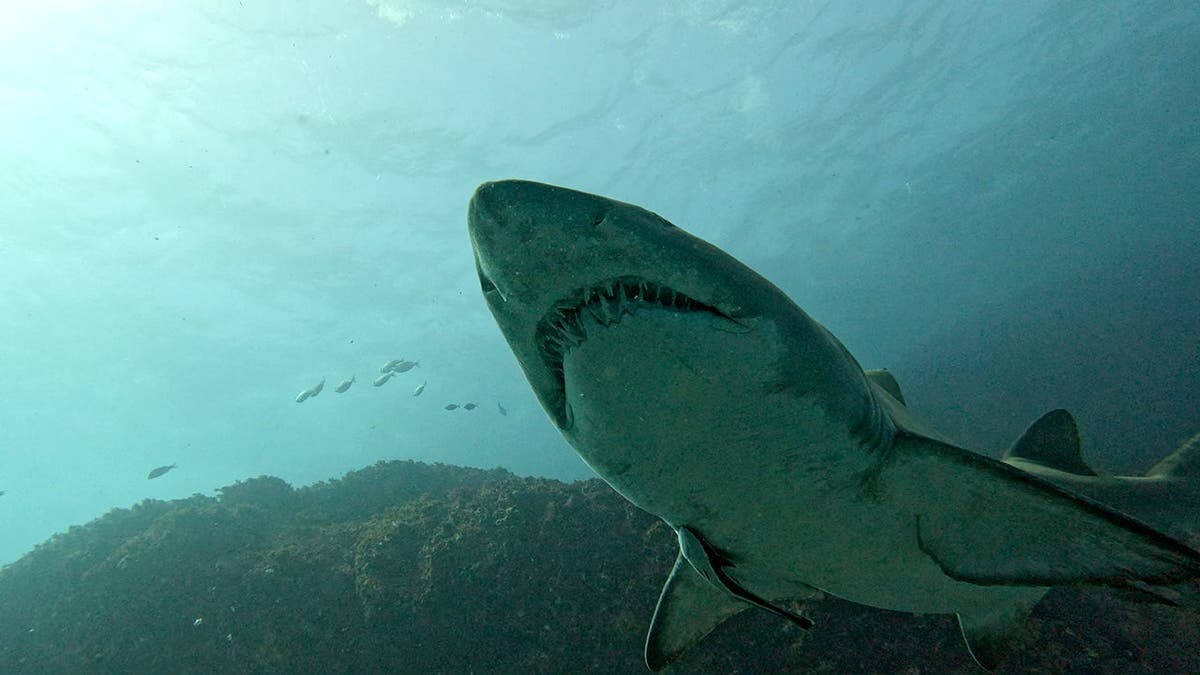
Jesse Watters recently interviewed Chris Fischer, founder of OCEARCH, discussing the uptick in shark attacks this summer. Incidents include a beach closure in New York due to bull sharks, with another attack on a swimmer in Queens, and a child injured in Florida in shallow water. Fischer highlights a rebound in shark populations, reverting to levels seen in the 1960s, urging swimmers to avoid areas with bait fish.
Technological Advances to Ensure Safety
As the 2028 Los Angeles Olympics approach, attention turns to athletes’ safety, particularly in Southern California’s waters. California State University Long Beach’s scientists have been developing a solar-powered shark-surveillance robot. This innovative device aims to protect athletes and beachgoers by patrolling coastal waters, spotting tagged sharks, collecting samples, and sending real-time data to lifeguards.
The vessel, approximately 10 feet long and the width of a paddleboard, is designed to operate autonomously for up to a week. According to NBC Los Angeles, it will deploy drones for aerial monitoring. Shark Lab Director Chris Lowe emphasized the robot’s capabilities in listening for tagged sharks and testing water for shark DNA.
The Importance of Information
Having this surveillance technology could prove beneficial with events like open-water swimming set in areas known for shark presence, such as Long Beach harbor. Lowe explained that the goal is not to trigger alarms with every shark sighting. Instead, the technology offers lifeguards critical data for making informed safety decisions, allowing them to weigh the necessity of warnings.
Lowe notes, “Our data suggests there are sharks around our beaches all the time without incident, but knowing what sharks are present helps lifeguards advise the public better.”
Challenges Ahead
The Shark Lab has already made headway by tagging many juvenile white sharks and employing drones and listening stations for tracking along California’s coast. This new vessel consolidates several tools. Despite this progress, research and development continue.
Lowe stated, “Lots of research and development still needed, but we’re off to a great start.”
Funding remains a challenge, with state support set to lapse soon. This could affect tagging efforts crucial to the robot’s functionality. Lowe has stressed the importance of continuing the tagging initiative, as without tagged sharks, the technology’s efficacy diminishes.
While the Olympics provide a timeline, Lowe envisions the program extending beyond the 2028 Games, ensuring long-term beach safety enhancements.
Leave a Reply