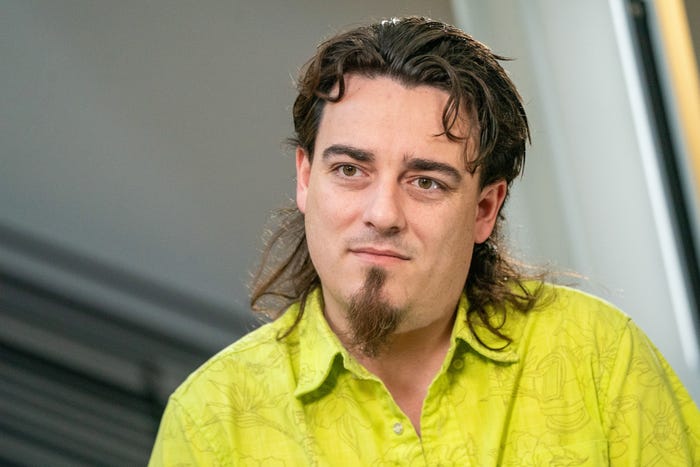
Palmer Luckey, cofounder of Anduril, has proposed an offshore industrial hub concept he named “SLAB.” This concept involves constructing a seastead off the US coast where critical industries could operate without the usual constraints of local laws. Luckey highlighted that such a facility would be less expensive than acquiring land onshore and would evade regulations that hinder industries like oil refining, chemical engineering, and medical research.
Luckey shared an AI-generated depiction of his vision on X (formerly Twitter), illustrating a large concrete platform with industrial structures atop. His goal is to reinforce American industry by creating this off-the-grid economic zone, alleviating the impacts of what he describes as outdated regulations. He has financed the project with funds from the $2 billion sale of Oculus to Facebook in 2014, supplemented by investments from unnamed friends who valued the venture at $1 billion.
Luckey has a history of advocating for innovative solutions to bolster US technological and military capacities. Anduril, his primary venture, has secured significant contracts with the US military due to its expertise in advanced technologies, including drones and software.
This seastead initiative adds to Luckey’s extensive portfolio, which includes a retro-gaming hardware company (ModRetro), a digital bank (Erebor), and a dog-breeding and cloning firm (Warhound). Luckey is not the pioneer of the seastead concept. In 2008, Peter Thiel funded The Seasteading Institute, aiming to create autonomous floating communities. However, Thiel later withdrew support, citing feasibility issues.
Palmer Luckey’s announcement marks another chapter in the ongoing discussion of political autonomy and industrial innovation away from mainland regulations, reflecting a shared interest among entrepreneurs in redefining business environments.
Leave a Reply