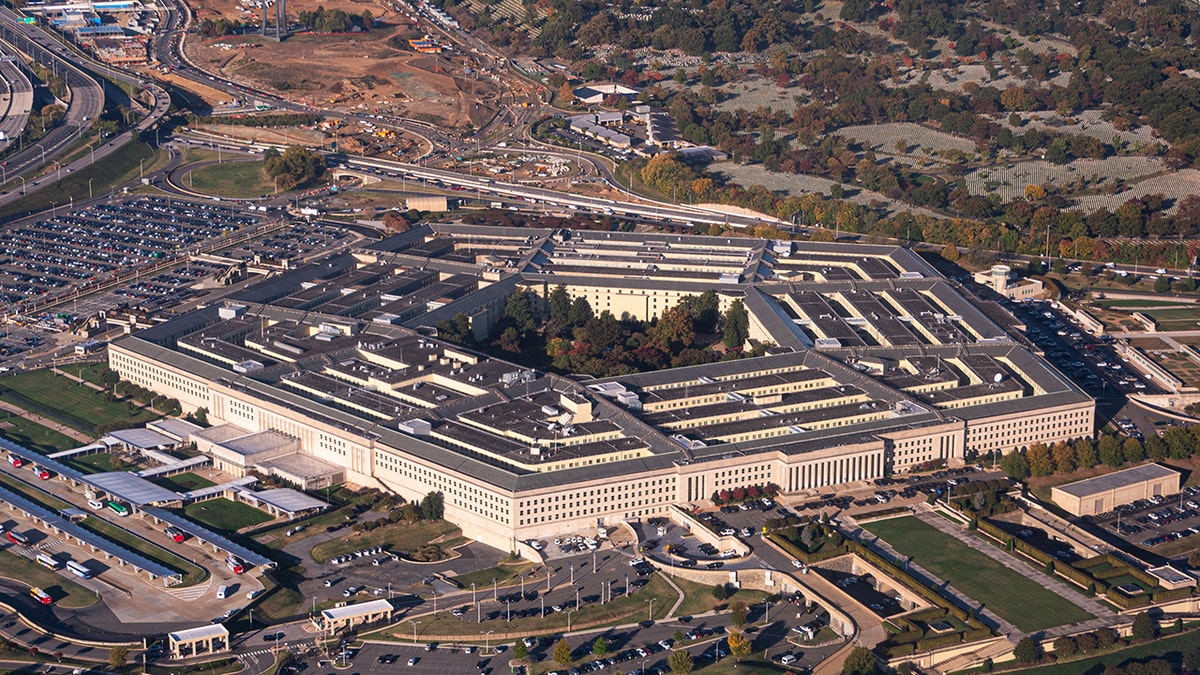
An aerial view of the Pentagon building in Arlington, Virginia, taken on October 22, 2025. The Pentagon is currently facing a notable lawsuit. The nonprofit Freedom of the Press Foundation (FPF) and The Intercept have filed a case against it in the U.S. District Court in Washington, D.C.
This legal action is related to an alleged blacklist of journalists and news outlets maintained by the Trump administration. The controversy arose from a July interaction involving Nick Turse, a reporter for The Intercept, and the U.S. Central Command (CENTCOM) public affairs office. Turse inquired about Iran’s attacks on U.S. bases in the Middle East.
After persistent phone calls with no responses, CENTCOM public affairs executive assistant Richard Allee reportedly warned Turse he would be “put on a list of people to disregard” unless he ceased his inquiries. The lawsuit highlights Allee’s confirmation of such a list but refusal to share its details.
Further revelations emerged in August. An unnamed U.S. official informed Turse that Secretary of War Pete Hegseth’s office instructed staff not to engage with him. Following this, both Turse and FPF filed Freedom of Information Act (FOIA) requests to access Pentagon documents about the alleged blacklist; CENTCOM has not responded to these requests.
The suit accuses the Pentagon of “unlawful withholding of agency records by statutory deadline.” Lauren Harper of FPF, who filed the FOIA request, expressed concerns over blacklisted reporters, citing potential implications for media on both sides of the political spectrum.
“The Pentagon’s budget is at an all-time high,” Harper stated, “and taxpayers deserve to know how funds are used, especially regarding operations and troop conditions.” She emphasized the press’s responsibility to question these issues irrespective of political leadership.
Nick Turse labeled the alleged blacklist “fundamentally un-American.” He argued the Pentagon is hiding crucial information from both Congress and the public, particularly the impacts and costs of the Iran conflict.
“The public deserves transparency on war impacts and expenses,” Turse told Fox News Digital. “Failure to provide clear answers harms military personnel and the broader public. If the Defense Department remains uncooperative, we will pursue this in court.”
CENTCOM has denied having a blacklist and criticized Turse for what it described as harassing behavior towards its staff.
While a Pentagon spokesperson declined to comment, The Intercept has not yet responded to requests for comment. This case has attracted wide attention, underscoring tensions between the press and government entities over transparency and accountability.
Leave a Reply