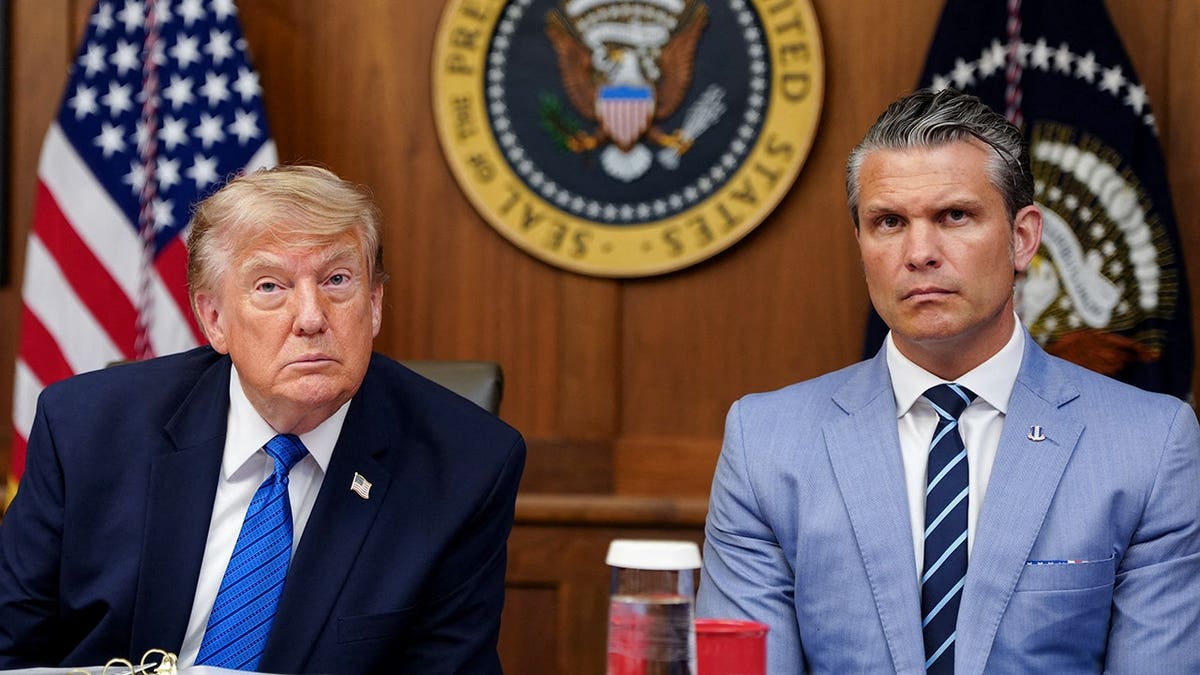
The Pentagon has rolled out a new policy requiring testosterone deficiency screening for active-duty and reserve service members aged 30 and up. This decision follows a July announcement by Defense Secretary Pete Hegseth, who emphasized the importance of maintaining optimal testosterone levels to ensure peak performance.
Hegseth stated, “Taking care of your long-term health means ensuring you remain strong, resilient, and capable—not just for your next deployment, but for the rest of your life, so you can thrive long after you take off the uniform.”
The new guidelines, now in immediate effect, mandate testosterone blood tests for men aged 30 and older. Younger men will only be tested upon request or if health concerns arise. Those found with low testosterone may undergo further evaluation and potentially receive voluntary hormone replacement therapy, if deemed appropriate.
Testosterone levels naturally rise during puberty, aiding in muscle development and spermatogenesis. These levels typically decline after age 30, necessitating this new health initiative.
Women are not required to undergo routine testosterone testing but will be screened for fatigue and menstrual issues that may indicate hormonal imbalances.
The guidelines also clarify when off-label testosterone prescriptions can be administered to women, especially postmenopausal women experiencing low sexual desire. Testosterone use without a medical prescription for performance enhancement remains banned in the military.
The Pentagon aims to strengthen military readiness by addressing hormonal and energy-related issues. However, some medical experts caution against widespread testosterone testing, noting potential risks and questioning the evidence supporting its effectiveness in improving readiness.
The Food and Drug Administration plans to host a meeting soon to discuss the medical implications of testosterone use.
Leave a Reply