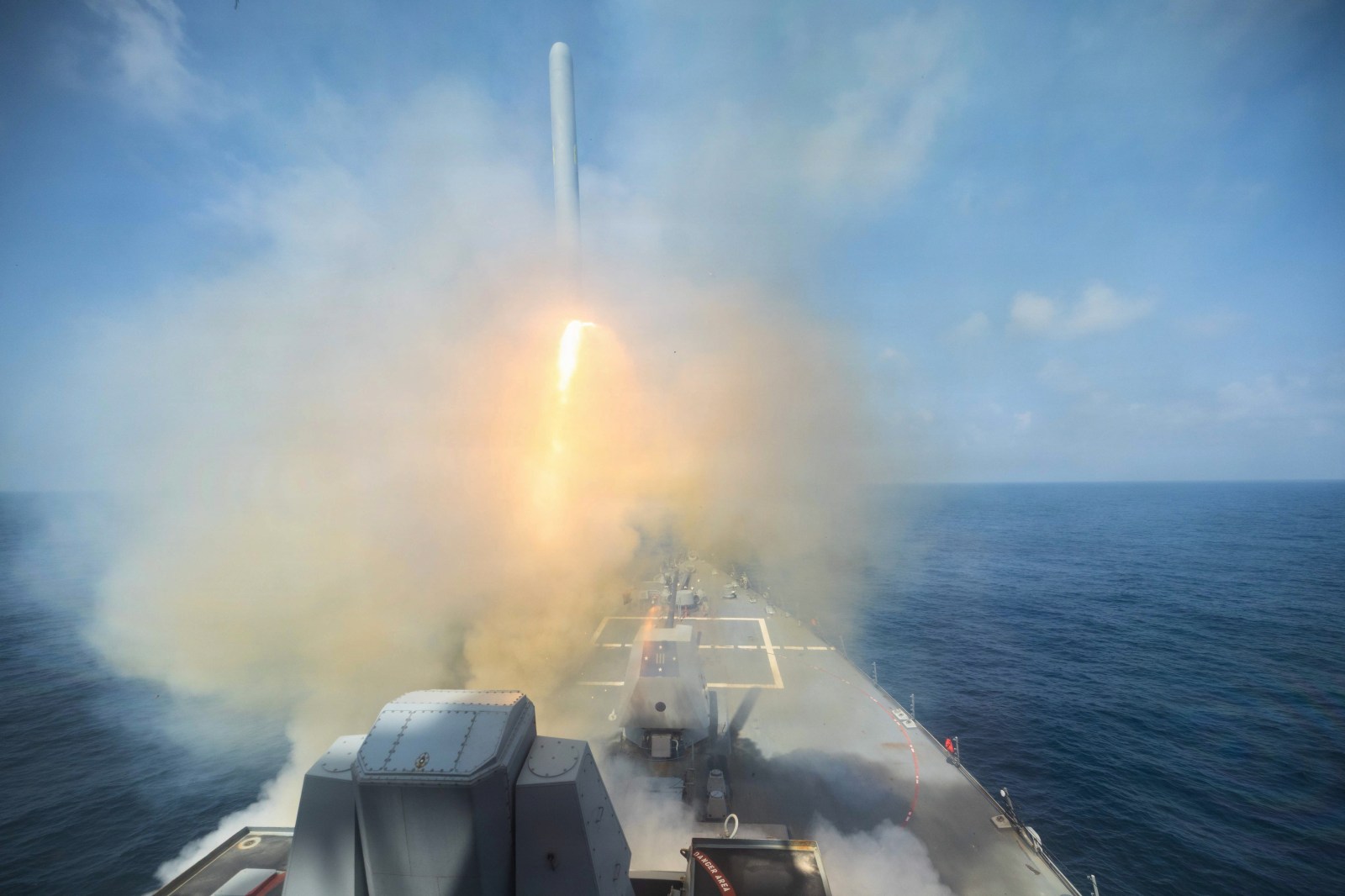
The Pentagon is urgently pushing U.S. defense contractors to hasten weapons production. This demand comes as military stockpiles, depleted during the ongoing conflict with Iran, need replenishment. Recent directives from the Defense Department stress the necessity of swift action.
Deputy Defense Secretary Steve Feinberg has set a firm 21-day deadline for industry leaders. They must present plans to deliver faster, more aggressive production schedules. According to a memo obtained by The Washington Post, Feinberg emphasized that prolonged development cycles are unacceptable. The memo insists on accelerated program schedules and expanded production capacity.
Pentagon spokesman Sean Parnell stated on Sunday that Defense Secretary Pete Hegseth’s tenure prioritizes enhancing the speed, capacity, and lethality of the U.S. defense industrial base, known as the Arsenal of Freedom. Deputy Secretary Feinberg plays a crucial role in this transformation, focusing on reforming a complex acquisitions system to meet urgent needs. While collaborating with industry leaders to boost production is not novel, this approach aligns with the long-standing objectives of both the President and the Secretary.
Concerns Over Depleted Missile Defenses
This initiative highlights growing concerns about diminished inventories of key missile defense systems, particularly the Patriot and Terminal High Altitude Area Defense (THAAD) interceptors, vital during combat with Iran. According to the Center for Strategic and International Studies (CSIS) in Washington, reduced interceptor inventories may necessitate more cautious deployment, potentially increasing the risk of successful enemy attacks.
The CSIS analysis estimates a significant reduction in missile defense inventories, with the number of Patriot interceptors falling from 2,330 before the conflict to between 759 and 827. Similarly, THAAD interceptors decreased from 452 to between 234 and 278 since hostilities began. Restoring these depleted supplies, including the addition of Tomahawk cruise missiles, could require at least three years even with increased funding.
Costs and Administration Pushback
Defense Secretary Hegseth informed senators that the conflict with Iran has incurred costs of approximately $37.5 billion since its onset in late February. These costs account for current operations and future requirements until the end of the fiscal year on September 30.
Despite claims of critical shortages, President Donald Trump assured on Truth Social that the U.S. retains substantial weaponry stocks, with ongoing manufacturing and shipments to the U.S. as needed. However, Pentagon officials continue to emphasize the urgency of enhancing the defense industrial base. Parnell confirmed the legitimacy of Feinberg’s directive, noting its influence on the fiscal year 2028 budget proposal for Congress.
Meanwhile, a defense spending bill is pending in Congress. Lawmakers are expressing frustration over Trump’s military decisions against Iran and resisting the White House’s request to increase Pentagon spending to $1.5 trillion, a substantial rise from last year’s $900 billion budget.
Leave a Reply