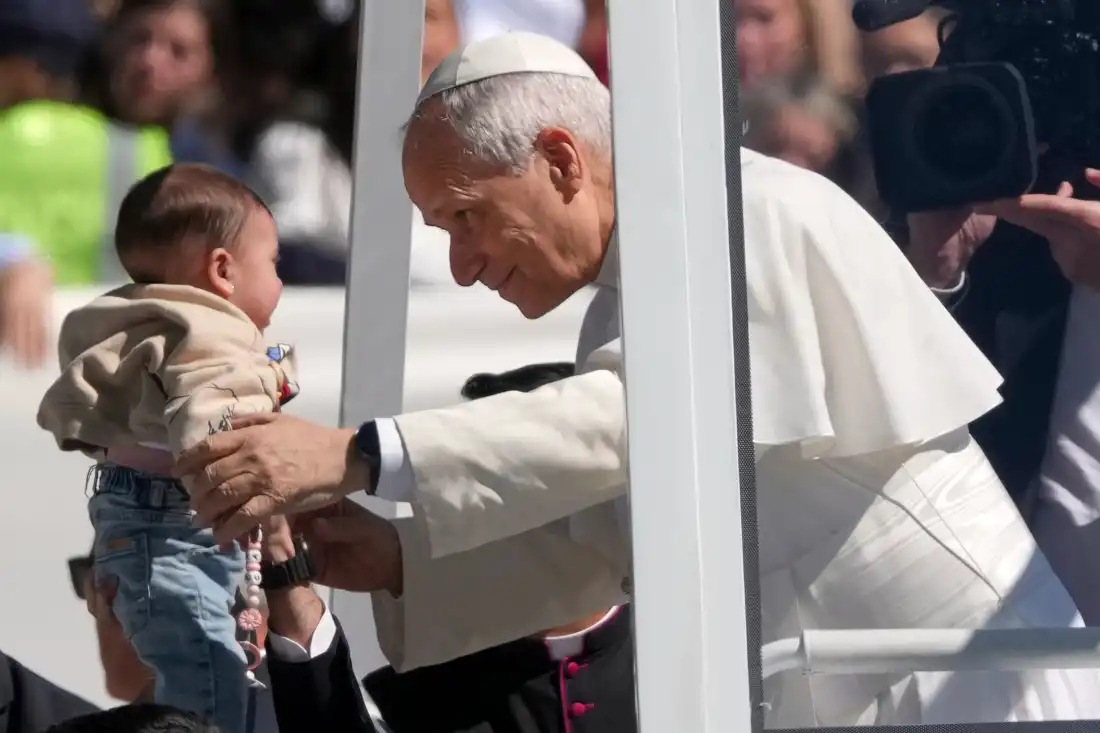
Pope Leo XIV visited the square outside the Cathedral Basilica of Florida, Uruguay, arriving to preside over a Mass during his twelve-day apostolic journey to South America. This visit on November 8, 2026, marked the third day of his trip. His audience included not only the local populace but also people who traveled significant distances to witness the event. The visit signified an important moment in strengthening ties between the Catholic Church and a nation that has grown more secular over the years.
Praise for Women in Faith
During his final event in Uruguay, Leo praised women for their role in passing the Catholic faith to future generations. He highlighted the church’s longstanding role in Uruguay, despite the country’s increasingly secular stance. The pope’s visit reconnected many with the Catholic roots, underscoring that Catholicism is integral to the nation’s identity.
In his homily, Pope Leo reflected on the historical significance of the Virgin of the Thirty-three, a statue deeply linked with Uruguay’s fight for independence in 1825. The pope acknowledged the emotional challenges faced by mothers and grandmothers in maintaining religious traditions, urging them not to give up.
The crowd in Florida was larger than the city’s population, with estimates of 50,000 attendees. Individuals like Fiama Pirez, who traveled from Montevideo, expressed a personal rediscovery of faith prompted by the pope’s visit.
Anticipated Meeting with President Milei
Following Uruguay, Pope Leo’s next stop was Buenos Aires, where President Javier Milei intended to greet him. This meeting was set against a backdrop of tension, as the Catholic Church had been openly critical of Milei’s austerity measures. These measures included significant cuts to Argentina’s healthcare and education budgets, affecting many and increasing poverty levels.
The Catholic Church’s focus on the poor and social justice contrasts with Milei’s policies. The president’s embrace of artificial intelligence and economic reforms sparked further debate regarding their long-term impacts. While Milei’s administration emphasized the religious, not political, nature of Leo’s visit, underlying tensions were apparent.
Leo XIV’s Mission in Argentina
In Argentina, Pope Leo sought to continue the unfinished work of his predecessor, Pope Francis. Unlike Francis, Leo planned to complete the journey home, concluding his trip in Peru, where he had a long history of missionary work. The unfinished business in Argentina revolved around social justice and supporting the marginalized, a focus during Francis’s leadership in Buenos Aires.
The pope’s visit rekindled discussions on Francis’s legacy within Argentina. It was a nation experiencing political and social challenges, notable during Pope Francis’s absence. The Argentine church’s criticisms of Milei reflect ongoing debates about the role of religion in addressing social inequalities.
Leave a Reply