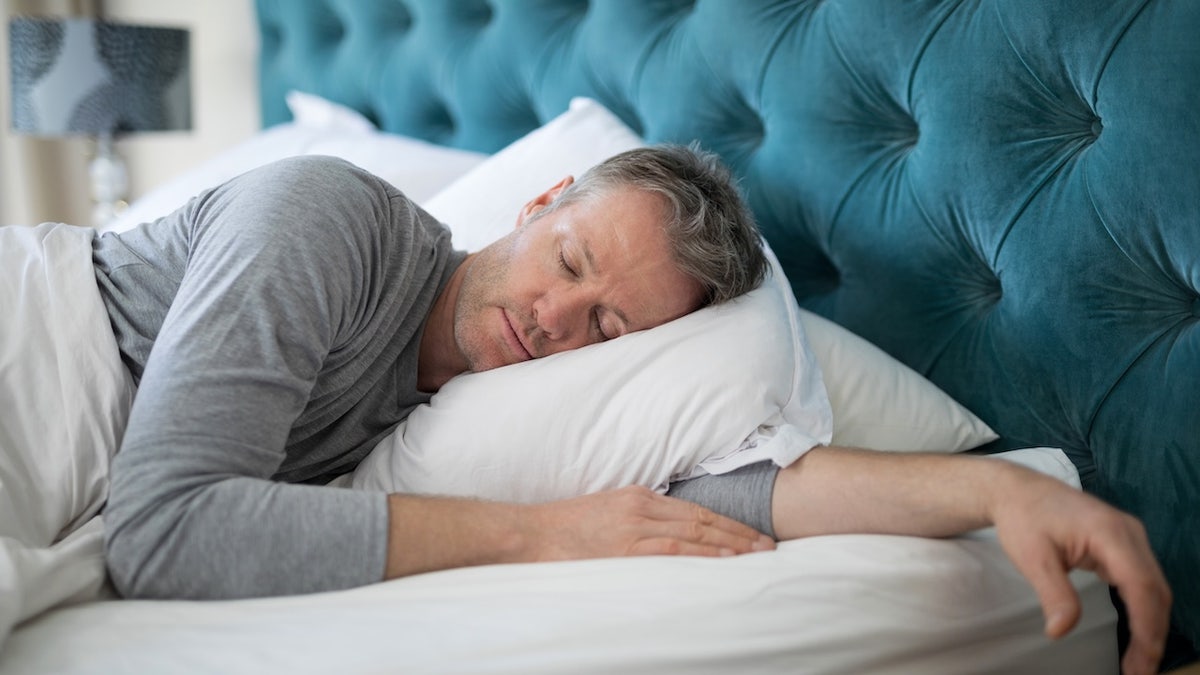
Turning the clocks back at the end of daylight saving time can impact sleep patterns. Dr. John La Puma, a physician in California, highlights the difficulty people face in falling and staying asleep due to this shift. Ongoing sleep loss can adversely affect health.
Some studies hint at cardiovascular benefits associated with the fall time change. However, losing evening sunlight can reduce serotonin and melatonin production, potentially leading to depression. The body’s internal clock doesn’t sync automatically with standard time, says La Puma.
Practical Adjustments
Dr. La Puma suggests practical adjustments to ease the transition during the time change.
1. Implement Small Schedule Shifts
To prepare for the clock change, start adjusting bedtime, meal times, and wake-up times in small increments. For instance, if you usually sleep at 10 p.m., try moving it to 10:15 p.m. on Friday and 10:30 p.m. on Saturday.
2. Moderate Evening Activities
With the time change coinciding with Halloween, avoid staying up late or drinking excessively. Dr. Saema Tahir advises limiting alcohol and caffeine intake, as they can disrupt sleep and increase tiredness.
3. Optimize Outdoor Exposure
Dr. La Puma stresses the importance of outdoor exposure. Aim for late-day light, which signals your body to adjust its internal clock. Post time-change, try to catch some outdoor light within an hour of waking each day during winter. Morning light stabilizes the body clock across darker months.
4. Establish a Wind-Down Routine
Develop a calming pre-bedtime routine. Options might include working on a paper workbook, drinking chamomile tea, or engaging in aromatherapy. Avoid screens, as their light can suppress melatonin, crucial for inducing sleep.
5. Maintain Consistent Schedules
Once the clocks change, stick to a regular wake-up time daily, including weekends. A consistent sleep schedule can reduce the risk of cardiovascular diseases, according to a study involving about 60,000 participants.
Those experiencing chronic issues with sleep or related fatigue should consult a healthcare provider for further advice.
Leave a Reply