On January 1, at dawn, Geneva University Hospital (HUG) received an urgent call. Just a few hours earlier, a fire broke out in a packed bar during New Year celebrations in Crans-Montana, Switzerland. The disaster claimed 40 lives and left over a hundred injured, with many victims suffering from severe burns. Given the scale of the crisis, no single hospital or even country could handle the influx. Within hours, injured individuals were sent to burn centers in Lausanne, Zurich, Paris, Milan, and Stuttgart. Hospitals across several countries operated collectively as one unit.
This scenario exemplifies a growing challenge for health leaders: anticipating that the next crisis will differ from previous ones. Future emergencies might involve mass casualties, extreme weather, cyber threats, supply chain breakdowns, or novel viruses. Preparing involves anticipating multiple scenarios simultaneously.
Lessons from Crisis Management Experience
With nearly three decades at the International Committee of the Red Cross (ICRC) and four years as its director-general, I gained insights into crisis management. Transitioning to CEO of one of Europe’s largest university hospitals reinforced one truth: resilience stems from governance, not static plans. Health systems often focus on preparedness: having emergency protocols, sufficient beds, and critical supplies. While crucial, they don’t guarantee how a system will perform under unplanned circumstances.
The Five Key Actions
- Anticipate: It’s not about predicting events but questioning potential challenges before they arise. For instance, during the G7 summit in Evian, France, this June, we added 40 extra beds and curtailed surgeries by 20%, anticipating potential unrest. Ultimately, no major incidents occurred, but the preparation reinforced our capabilities.
- Decide: In crises, information is often disjointed and rapidly evolving. Delaying decisions in pursuit of certainty is often a mistake. Clear principles and trust are pivotal. At HUG, we’re refining decision-making protocols, distinguishing between delegated and central decisions to address ambiguities effectively.
- Mobilize: Relationships and trust move a system. Trust-building starts long before crises occur. For instance, during the Crans-Montana fire, HUG attended to five patients and supplied medicines and ambulances to other areas. Recognizing and addressing vulnerabilities within the entire ecosystem is vital for resilience.
- Adapt: Even robust plans must evolve with circumstances. During this summer’s heatwave, our heat plan highlighted the need for adjustments based on feedback from frontline staff, illustrating the importance of ongoing adaptability.
- Learn: Significant lessons come from hands-on experiences. In 2017, a crucial IT failure at HUG highlighted the need for genuine redundancy. We didn’t stop at repairs; we implemented comprehensive security measures and regular testing, ensuring lessons lead to concrete improvements.
Learning can drive global change. Three decades ago, HUG’s Professor Didier Pittet introduced alcohol-based hand rubs to combat infections. This innovation was shared globally through WHO, transforming a local solution into a global asset. Such experiences foster real growth, enhancing resilience. Nassim Nicholas Taleb calls this ‘antifragility’. I refer to it as ‘adaptive growth’.
Key Organizational Questions
For leaders, preparing for crises involves routine assessment:
- Who acts in emergencies, and are they aware of their roles?
- Which dependencies could halt operations, and have backups been tested?
- Are there established collaborations for crises?
- When was a plan last revised based on frontline input?
- What is newly implemented since the last crisis?
Preparedness doesn’t eliminate uncertainty but ensures readiness to act effectively and emerge stronger from challenges. The future remains unpredictable, but with robust preparations, organizations can benefit from and grow through challenges.
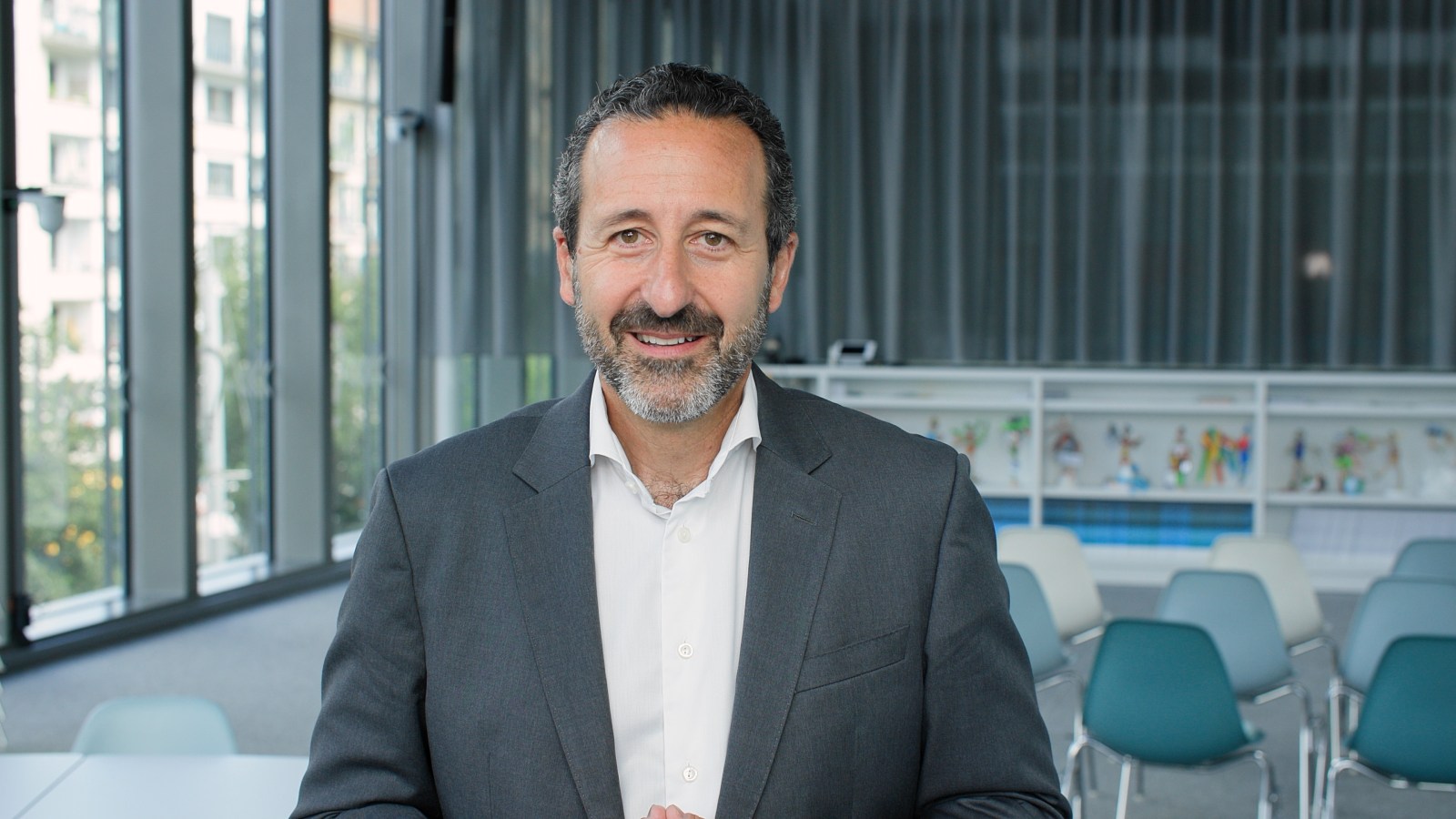
Robert Mardini is director-general of Geneva University Hospital (HUG) and previously served as director-general of the International Committee of the Red Cross (2020–2024).
Leave a Reply