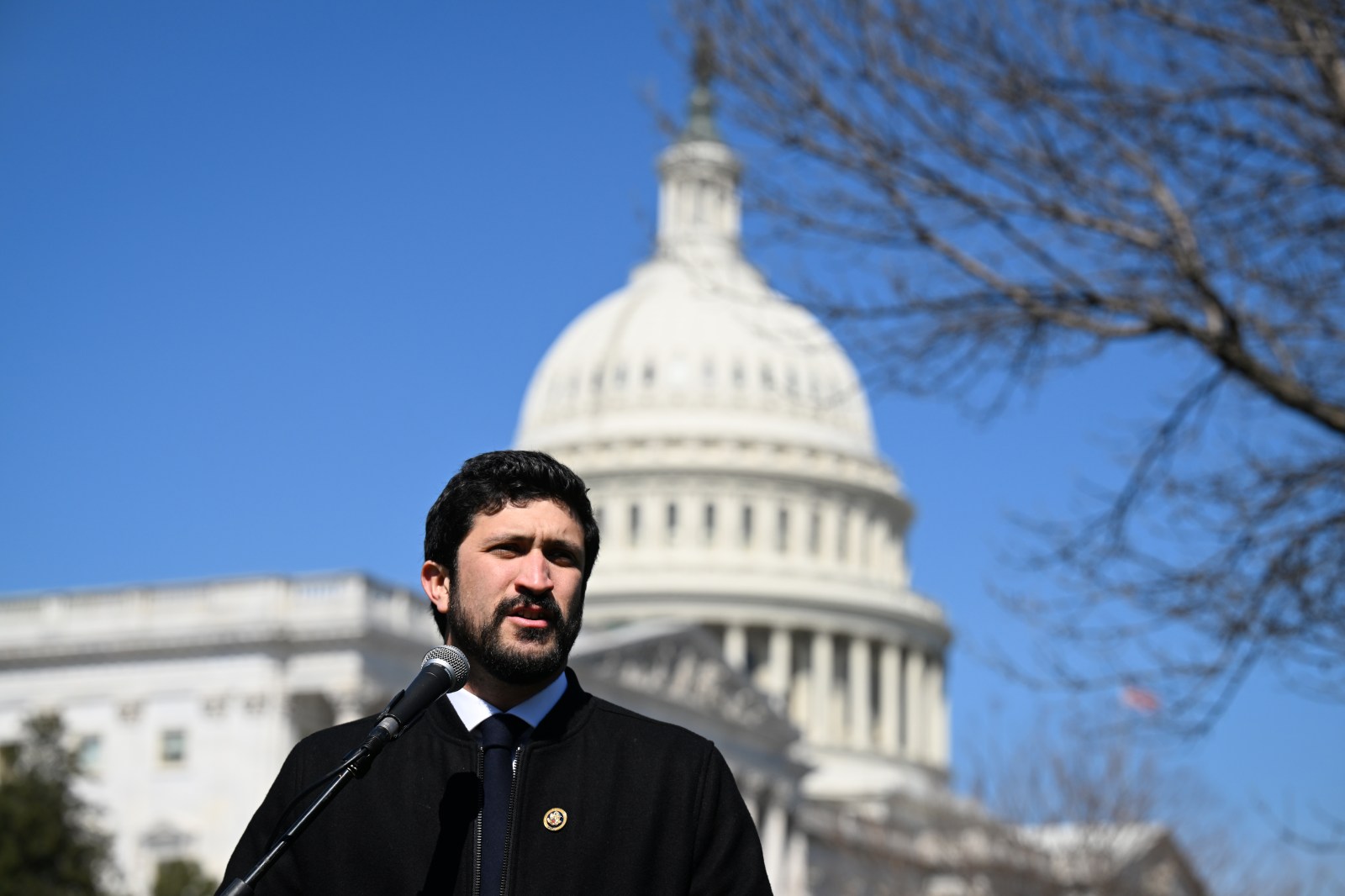
Congressional progressives are developing strategies for Democrats to test President Donald Trump’s economic pledges, including prescription drug costs and credit card interest rates. Representative Greg Casar of Texas, chair of the Congressional Progressive Caucus (CPC), detailed this approach in a memo to caucus members, accessed by Politico. The document emphasizes that the size of Democrats’ new majority will enhance, not weaken, progressives’ legislative influence.
The CPC is projected to have over 105 members in the upcoming Congress, including a record number representing districts that changed from Republican to Democratic control. “Our members will now chair key committees and hold other critical leadership roles,” Casar stated.
Proposed Strategy
The memo outlines a three-part strategy: pass progressive legislation, target corporations and the Trump administration through oversight, and hold Trump to his populist economic commitments.
When asked about this strategy, White House spokesman Matthew Middleton stated the president is open to bipartisan efforts on economic matters. Middleton highlighted actions taken under Trump’s leadership, such as tax cuts, reduced prescription drug costs, and increased private-sector jobs.
Democrats gained control of both chambers in the recent midterms, expecting around 255 House seats. Casar explains that while some speculate a large majority diminishes influence, it instead facilitates significant legislative achievements. The strategy aims to pass progressive priorities that reduce costs, eliminate corruption, and increase wages.
Democratic Debate
The election results have sparked a debate within the Democratic party. Progressives reference victories by left-leaning candidates as support for their approach, whereas moderates emphasize wins in Republican-leaning areas. Casar’s memo, however, minimizes internal conflict, highlighting the advantage of a large majority against corporate interests.
Casar proposes identifying economic policies Trump has supported and sending related legislation to his desk. An example includes a housing measure by Senator Elizabeth Warren and Representative Maxine Waters targeting private equity home purchases. Casar suggests Democrats push for Trump’s commitments to cap credit card interest rates and reduce drug costs.
Trump has indicated a willingness to work across party lines, expressing reluctance to veto bills continuously. Casar’s memo suggests sending bills that lower prices and increase wages to Trump’s desk, viewing his potential vetoes as leverage for a Democratic majority.
Oversight and Investigation
The strategy also involves robust congressional oversight, pushing for investigations into the Trump administration and allied corporations. Casar targets firms using consumer data for pricing, healthcare companies exploiting seniors, and AI firms endangering jobs. The memo calls for Congress to counteract government dismantlements by engaging aggressively in oversight.
This approach seeks to present Democrats as pro-worker and pro-consumer, not solely as anti-Trump. Following the midterm success, Casar argues for pursuing longstanding progressive goals, including raising the minimum wage and expanding Medicare and Social Security.
Attention initially centers on the first 100 days, but Casar stresses the need for a 100-week affordability agenda. The media focus will cover the early phase, but Democrats require a long-term legislative plan.
Leave a Reply