The Trump administration is proposing a significant expansion of veterans’ access to psychedelic drugs as potential treatments for post-traumatic stress disorder (PTSD) and depression. Andrew Gradison, a senior adviser at the Veterans Health Administration, highlighted that up to 2.1 million veterans could benefit from treatments using psychedelic substances such as psilocybin and MDMA. Approximately 6.4 million veterans depend on the Department of Veterans Affairs (VA) for healthcare.
Christopher DiViaio, the clinical director at Eleve Behavioral Health, noted that traditional therapy and medication have helped some veterans. However, these methods do not yield results for everyone. This has sparked interest in exploring other alternatives, including psychedelic-assisted therapy.
Currently, federal regulators have not approved psychedelic drugs as safe and effective treatments for mental health conditions. The VA would encounter significant practical and safety challenges even with eventual approval.
“For some veterans, PTSD isn’t something they can just leave behind when they come home from deployment,” said DiViaio. “It can affect their sleep, their relationships, their ability to feel safe, and even how they see themselves.”
Importance of Treatment Initiatives
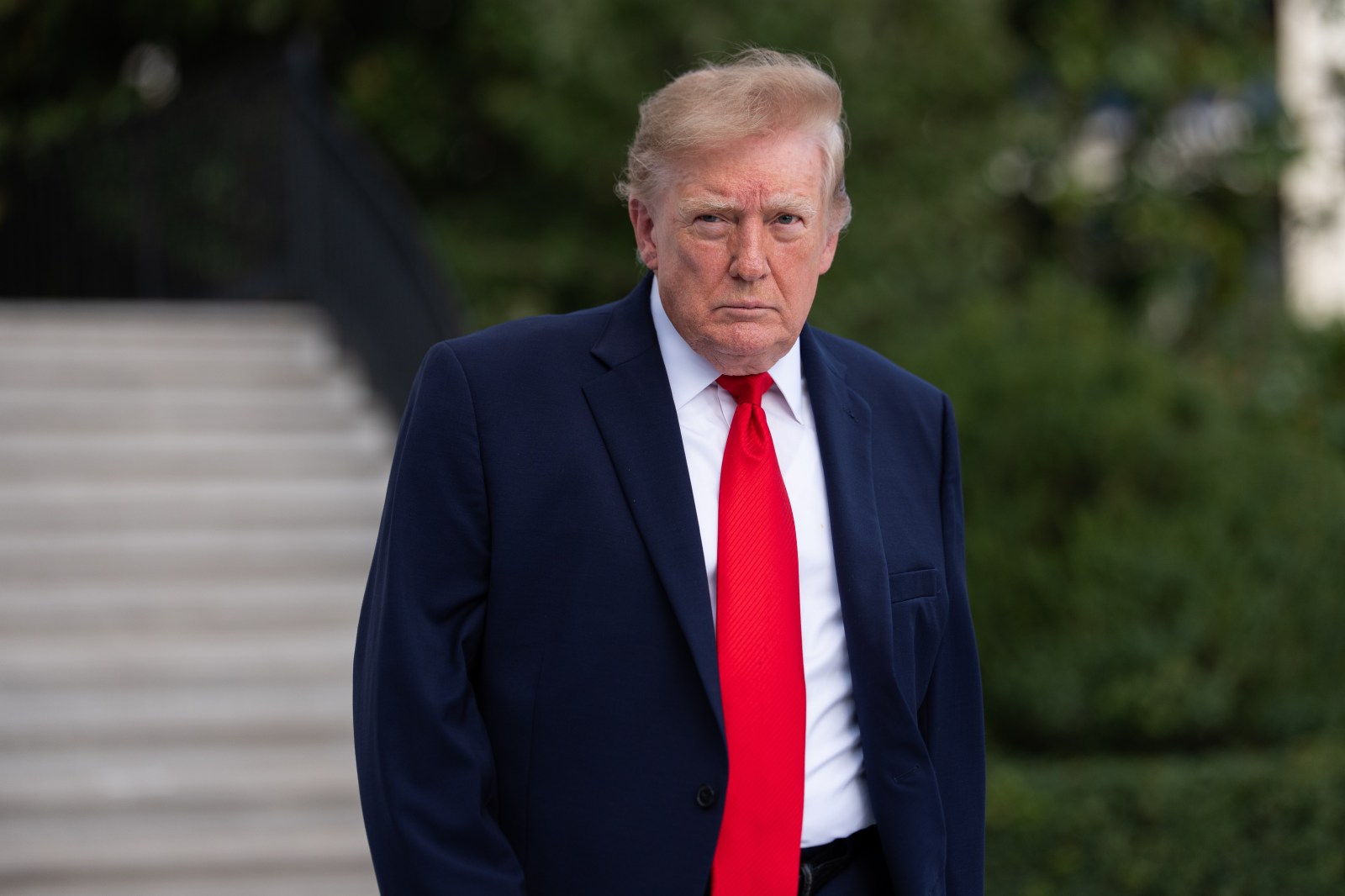
Veterans represent a key focus for potential psychedelic treatments. This effort intensifies as researchers investigate new approaches to PTSD and other mental health conditions. In April, President Donald Trump issued an executive order to expedite research, clinical trials, and patient access to psychedelic therapies.
The U.S. Food and Drug Administration (FDA) has not yet approved these psychedelic therapies. The Biden administration rejected a proposal in 2024 for MDMA combined with therapy as a PTSD treatment.
Expansion Plans Discussed
At the Horizons: Perspectives on Psychedelics conference in New York City, Gradison outlined plans to expand the VA’s capacity to provide psychedelic therapies. The aim is to serve some of the roughly one-third of regular VA patients who have mental health conditions, such as PTSD or depression. This equates to about 2.1 million veterans of the 6.4 million receiving VA care.
Toby Marton, chief medical officer at Radial Health and former VA psychiatrist, remarked: “The VA is fully behind this initiative. They’ve already identified several sites across the VA network for initial pilot programs, setting the groundwork for rapid expansion.”
Challenges and Cautions
Gradison expressed that implementing treatment on this scale will be challenging. He noted the Veterans Health Administration may initially treat a limited number of patients in its first year of deployment due to practical and safety constraints.
“Our demand will exceed our ability to supply these therapies, no doubt,” Gradison stated.
Experts caution that the goal is not for the VA to dispense illicit psychedelics under current law. Instead, the administration aims to speed the regulatory and research process to eventually offer pharmaceutical treatments legally to VA patients.
“We have a large veteran population with PTSD and other psychiatric conditions exacerbated or caused by their military service,” Marton added. “The current treatment options are not enough.”
The VA is currently involved in 20 psychedelic clinical trials. Trump’s order also directed attention to ibogaine, another psychedelic under research for veteran-related conditions. Despite this, ibogaine remains a Schedule I controlled substance federally.
FDA Approval Challenges
Securing FDA approval remains the largest challenge. The FDA rejected a significant submission in 2024 for MDMA combined with psychotherapy. Yet, Trump’s administration initiated steps to speed the development of psychedelic therapies.
After Trump’s order in April, the FDA allowed fast-track application reviews for three firms developing psychedelic treatments. One notable development includes a synthetic psilocybin formulation by Compass Pathways, targeting treatment-resistant depression. Approval is anticipated by 2027, pending FDA review.
Even with FDA approval, the VA faces the extensive task of building capacity to provide these new treatments safely.
“It’s understandable why people are excited about psychedelic therapy,” DiViaio said. “But these treatments can trigger intense psychological experiences. They are not suitable for everyone.”
Implementation Considerations
Should the FDA approve treatments, the administration must then translate approval into VA care. Availability, affordable access, and trained professional support are critical elements for ensuring veterans receive proper care.
“We must balance the promise of these treatments with practical realities,” DiViaio warned. “Clinical trial success doesn’t guarantee easy access.”
Any new treatment will require extensive planning to ensure veterans benefit from evidence-based, safeguarded therapies.
Leave a Reply