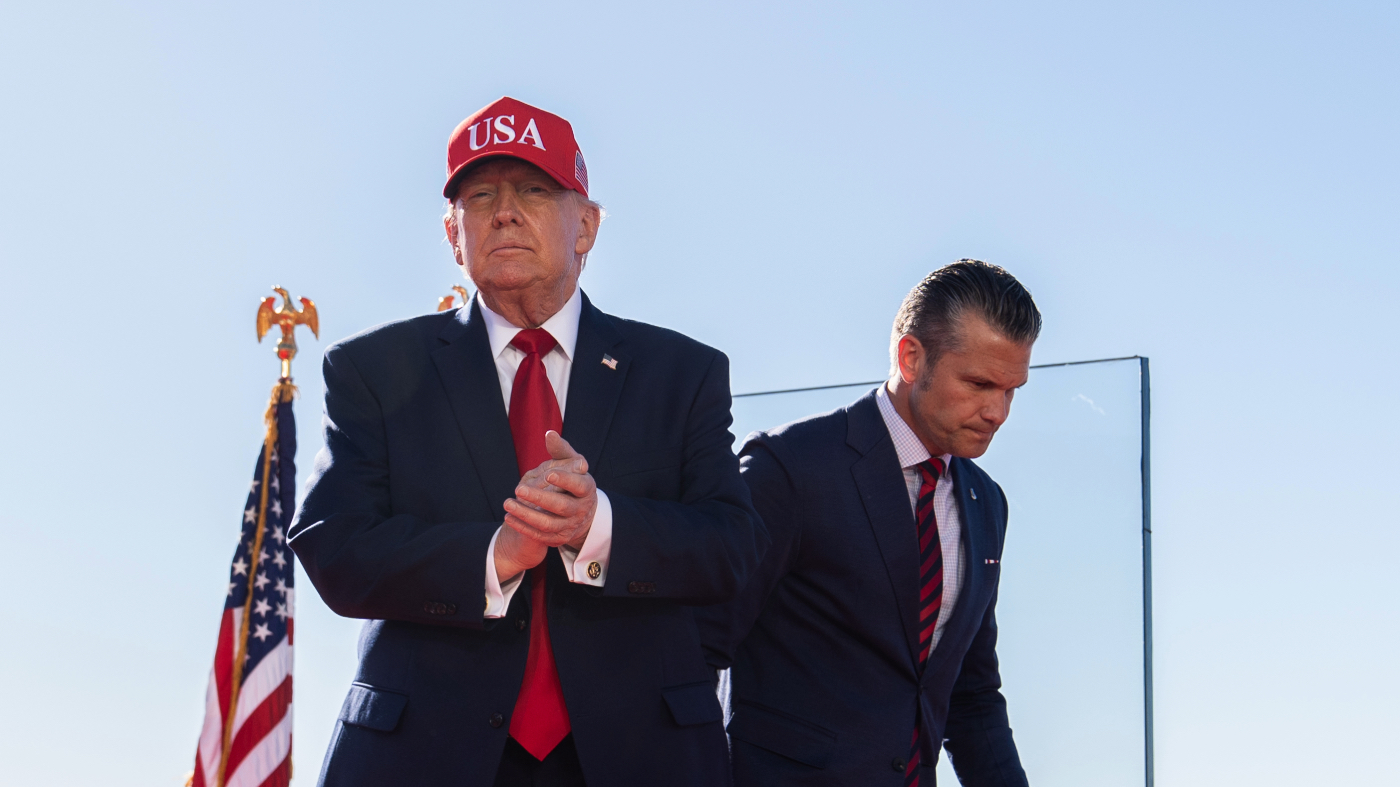
Defense Secretary Pete Hegseth recently introduced President Donald Trump at an event in Sparrows Point, Maryland. During the event, Hegseth announced plans to livestream the firing-squad execution of Nidal Hasan, scheduled for December 3. Hasan, a former Army psychiatrist, was convicted of killing 13 people and injuring 32 others at Fort Hood, Texas, in 2009. President Trump expressed his full approval of the plan.
The announcement evoked memories of past public executions in the United States. The last high-profile execution took place in 1936 when Rainey Bethea, a Black man, was hanged in Kentucky. Approximately 20,000 people gathered in Owensboro to witness the execution, which had a festival-like atmosphere. People sold soft drinks and sandwiches, drawing criticism nationwide for turning a grim event into public entertainment.
Despite bipartisan backlash, the administration initially justified livestreaming Hasan’s execution as a deterrent. However, Trump eventually reversed the decision, acknowledging the argument against broadcasting such events without conceding the underlying rationale for their plan.
As someone with a background in both prosecution and defense, I can say executions do not deter crime overall. They only prevent the convicted individual from committing further offenses. I have prosecuted cases that resulted in the death penalty, believing it necessary in specific instances, but not as a deterrent for others.
Consider the case of Donald “Pee Wee” Gaskins, a man I helped send to the electric chair. Convicted of multiple murders, he even killed another inmate on death row. For such individuals, execution ends their ability to harm. Yet, there is no satisfaction in the execution process itself.
Allowing public displays of such executions trivializes the value of human life. Trump and Hegseth seemed interested in public spectacle rather than justice. The ethical consideration is whether society should derive entertainment from the death of an individual.
It’s crucial to remember the impact of making executions public. Such displays might desensitize the population to violence. We risk becoming like those we condemn, reducing life to something devoid of dignity. The administration managed to halt the plan this time, but whether they learned from the backlash remains uncertain.
Leave a Reply