The phrase “words taken down” might seem unfamiliar outside Capitol Hill. When tensions rise in the House of Representatives, this term often surfaces, signaling potential rule violations during debates.
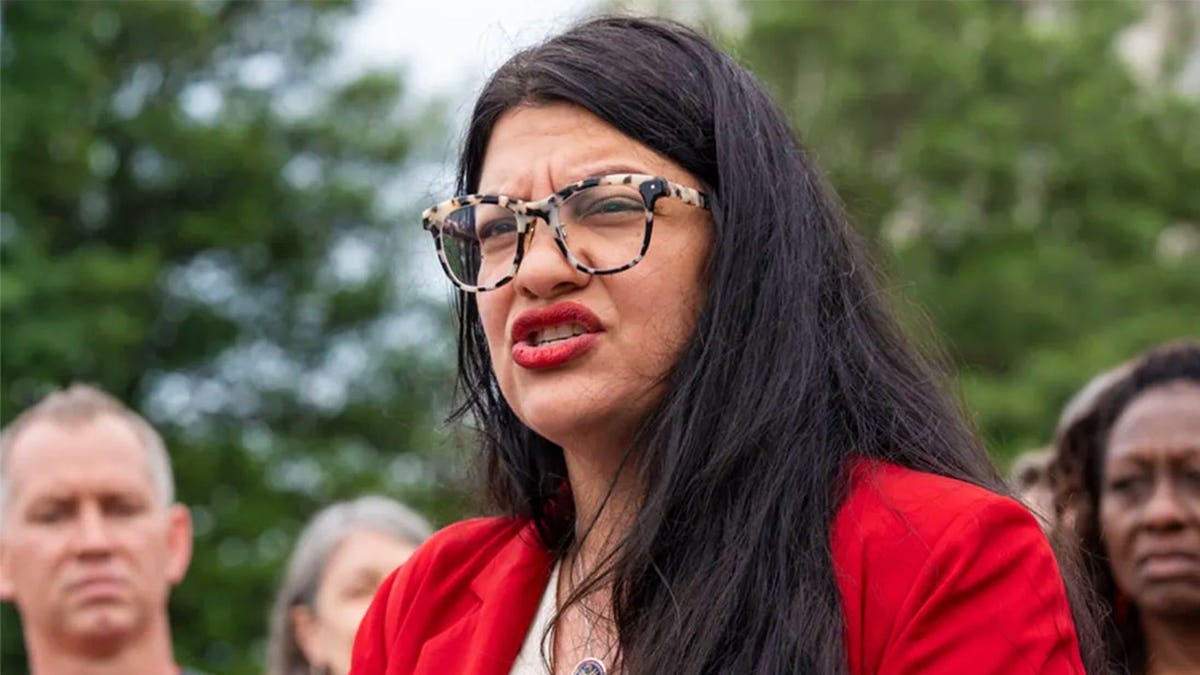
Recently, the House engaged in a heated debate over a war powers resolution concerning Lebanon. Rep. Rashida Tlaib, D-Mich., introduced the measure, aiming to limit President Donald Trump’s involvement in Iran, amidst rising tensions in the region. Tlaib, a Palestinian-American and one of Congress’s few Muslim members, is known for her outspoken stance against Israel.
“We must end U.S. participation in the Israeli apartheid regime’s invasion of Lebanon. The Israeli military continues targeting journalists like Amal Khalil and uses our tax dollars for war crimes,” Tlaib stated.
The debate intensified when Rep. Max Miller, R-Ohio, criticized Tlaib, referencing her alleged connections to Hezbollah. Miller, who is Jewish, made personal attacks during his comments.
“Its members are butchers that you like to hang out with,” Miller charged, adding, “You advocate for terrorists daily.” Tlaib responded from across the chamber, though her words were unclear without a microphone.
Rep. Jay Obernolte, R-Calif., leading the session, urged decorum by striking his gavel. “Colleagues, this is a serious topic. We will debate it respectfully and deliberately,” said Obernolte. He asked Tlaib if she wanted to motion.
Tlaib approached a microphone. “Yes, Mr. Speaker, I am. That is a direct attack on my character. I please request to strike the words down,” she declared.
Her motion halted all House activity to determine if a rule was breached. The process involves institutional staff reviewing the statements, as personal attacks and motives questioning are prohibited.
Obernolte instructed Miller to be seated, as staff reviewed if House rules were broken. These procedures are akin to a police stop, where cooperation may lead to leniency; otherwise, formal penalties ensue.
After some time, with no apology from Miller, Obernolte ruled his comments out of order. “The words of the gentleman from Ohio contain an allegation that the gentlewoman from Michigan is a ‘butcher’ and affiliated with a terrorist organization,” noted Obernolte, emphasizing rule violations. “Without objection, the offending words are stricken from the record,” leading to Miller’s suspension from speaking further that day.
Rep. Brian Mast, R-Fla., stood in for the muted Miller, stating Miller’s sentiment: “Yes, I said it. I own it. And I stand by it.” Mast attempted to include in the record articles about Tlaib, yet faced objections from her.
This controversial moment echoes a 1994 incident involving Rep. Maxine Waters, D-Calif., where similar disputes over remarks occurred. Obernolte later reflected on AI’s potential role in conflict resolution, asserting it could effectively interpret and enforce rules.
The debate raises questions about human judgment versus AI in maintaining parliamentary order. Changes in the role of an arbitration authority within the House are conceivable, given the escalating nature of political debates.
Leave a Reply