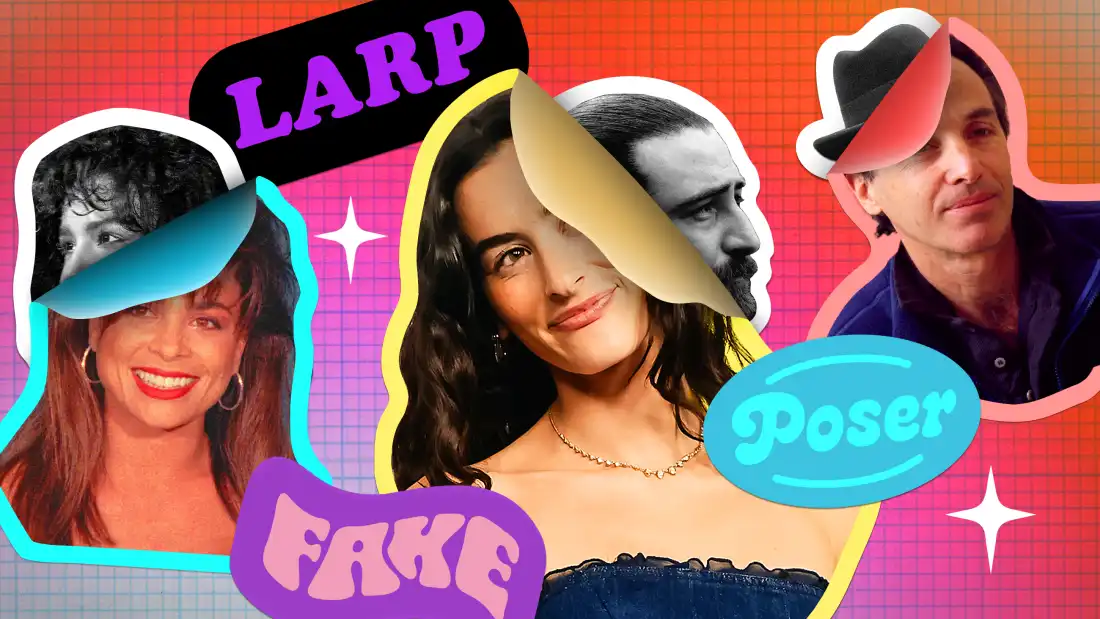
The vocal styles of Paula Abdul, Stella Lefty’s similarities to Noah Kahan, and the influence of Ry Cooder have stirred discussions on the authenticity of music. In 2026, the music industry grapples with understanding what defines ‘real’ music amid manufactured fans, AI artists, and perceived ‘industry plants.’
In the song Is it Real?, Caspian Hollywell of the New Orleans-based band Twisted Teens poses a question that captures current concerns about authenticity in music. Despite mainstream pop thriving with streaming and stadium performances, stories of deception persist. Fans question their ability to trust what they hear and see, with tales of plagiarism, fake musical identities, counterfeit vinyl, and more.
A rise in artists adopting raw and confrontational sounds reflects a backlash against perceived phoniness. Bands like Twisted Teens and Mandy, Indiana seek to preserve music’s essence, challenging AI’s looming influence. Meanwhile, Caspian Hollywell’s assertion about authenticity underscores an ongoing cultural tension steeped in history.
“You can like us or hate us, but you can’t say we’re not real,” Hollywell has said.
Ry Cooder and Paula Abdul provide historical context for today’s authenticity debates. Cooder’s pioneering digital recording in 1979 raised fears it would compromise music’s authentic feel. Though clearer, some felt it lost essential essence. Abdul faced scrutiny for allegedly blending her vocals with those of another singer, a controversy that raised questions about the integrity of her work.
Authenticity debates evolve but have persisted since Black brass bands in early 20th-century New Orleans challenged notions of ‘real’ music. Each technological or social shift prompts fresh scrutiny. Ry Cooder’s digital innovation and Abdul’s synthesized hits are examples of this ongoing dialogue.
Experts identify three criteria for authenticity: whether an artist truly performs or composes the work, cultural authenticity linked to certain communities, and personal authenticity, involving an artist’s genuine connection to their expressions. These benchmarks guide judgments about artistic authenticity.
Recently, music’s authenticity feels imperiled amid rapid technological advances and pervasive cultural skepticism. The rise of AI and algorithmic music production intensifies uncertainties. Fans question whether beloved songs or performers are genuine or manufactured.
Societal factors often amplify concerns, intertwining race, class, and gender issues with authenticity debates. Historically, African American musicians and women faced challenges when defining what is perceived as ‘real’ music.
Today’s anxiety about authenticity reflects broader fears, from scams to AI’s impact. Stella Lefty illustrates contemporary tensions, an artist critiqued for parallels to Noah Kahan amidst accusations of unearned success. While interpolation, common in music, became contentious in her case, reflecting increasing scrutiny.
Despite the challenges faced, authenticity debates prompt examination of power dynamics and cultural prejudices. As more musicians navigate these questions, a deeper understanding emerges concerning what constitutes ‘real’ music in an increasingly complex musical landscape.
Leave a Reply