Thursday marked the beginning of a series of significant technology outages, disrupting companies and services. Microsoft experienced an outage affecting Outlook, Teams, and Copilot. On Friday, a Federal Aviation Administration (FAA) ground stop delayed flights nationwide, impacting over 1.5 million travelers. Subsequent outages affected financial institutions like Wells Fargo and Capital One, as well as United Airlines and Apple. Internal communications at the National Security Agency were also impacted.
Understanding System Resilience and Communication
Jordan Ruch, chief information and digital officer at AtlantiCare, emphasizes the importance of building resilience within organizations. He clarifies that resilience isn’t just about having a backup system in place but involves proactive planning to ensure operations can continue during disruptions. Businesses must focus on reliable communication to inform employees, customers, and stakeholders about outages.
The unexpected Microsoft outage particularly affected AtlantiCare by slowing down operations, leading the company to consider increasing redundancy in its systems. Other organizations, like law firm Ropes & Gray, implemented emergency notification systems to mitigate the impact of outages.
Effective communication is vital. Shreyas Mysore, CIO at Lockton, points to the need for timely information from vendors to prepare clients for potential global impacts. In response, Lockton’s team prioritizes customer communication and internal updates, saving board-level briefings for later meetings.
Vendor Accountability and Alternative Strategies
Vendors must maintain transparent communication. For instance, Microsoft faced criticism for delayed client notifications during its outage. Enterprises like Fenix24 use alternative communication methods, such as Signal and WhatsApp, to continue operations if primary systems fail. Consider adopting redundant systems, like Google, for key executive communications.
James Kretchmar of Akamai stresses the importance of clear communication strategies to manage client expectations. Overpromising or withholding information can damage an organization’s reputation, warns Chuck Kesler of Pendo. Accurate timelines for restoring service can help maintain trust.
Regarding the FAA ground stop, hardware issues were cited as a potential reason, with changes from Juniper Networks to Cisco routers noted. However, Homeland Security dismissed a cyberattack theory, attributing the stop to other technical concerns.
Broader Implications and Future Strategies
In light of ongoing outages, organizations are paying closer attention to system resilience. Cybersecurity firm Fenix24 advocates preparing alternative communication channels ahead of outages. Companies should consider investing in diverse communication platforms for added security.
Lack of clear communication can have significant implications. For instance, Microsoft’s slow communication during its outage affected numerous businesses, while the FAA’s lack of a clear root cause for its ground stop continued to sow confusion.
Aside from outages, economic and political developments have also been in play. Nvidia announced optimistic sales forecasts despite internal transitions. Meanwhile, discussions surrounding AI’s role in global security and development featured prominently, with concerns about U.S.-China relations coming to the fore. New rules are affecting China’s access to American computing technologies.
AI Impact and Job Market Trends
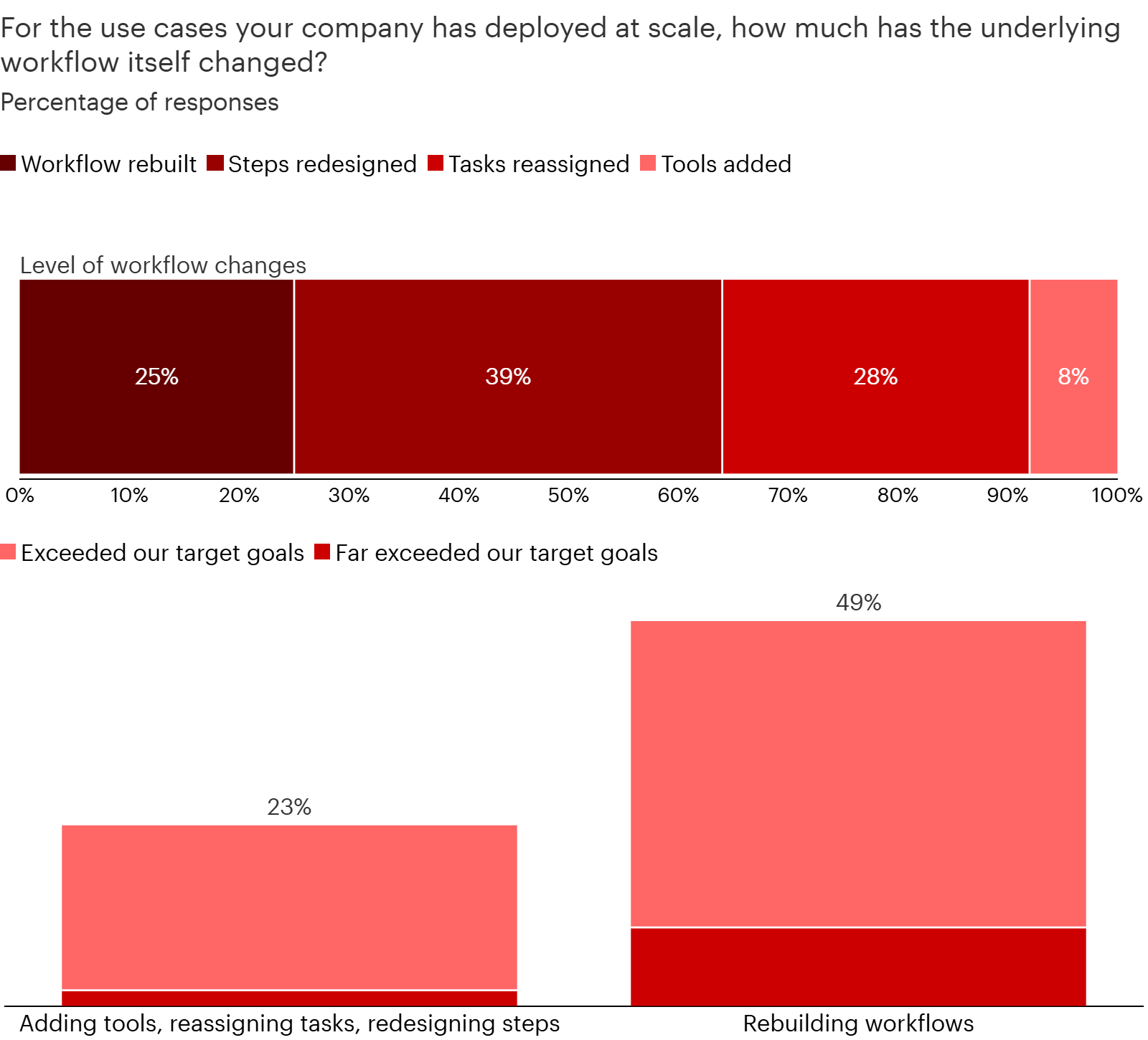
Bain & Company’s survey shows AI’s role in businesses is growing, showing revenue increases or cost savings from AI use cases. While AI-related job impacts are less severe than initially thought, companies anticipate workforce growth in areas like software and operations, reflecting positive AI adoption experiences.
The job market continues to see significant movements. Companies like Philips, Energy Fuels, and the University of Minnesota are seeking technology executives, while Moody’s and E.W. Scripps recently filled key technology leadership roles. This underscores the ongoing demand for skilled individuals to lead IT strategy and innovation.
Leave a Reply