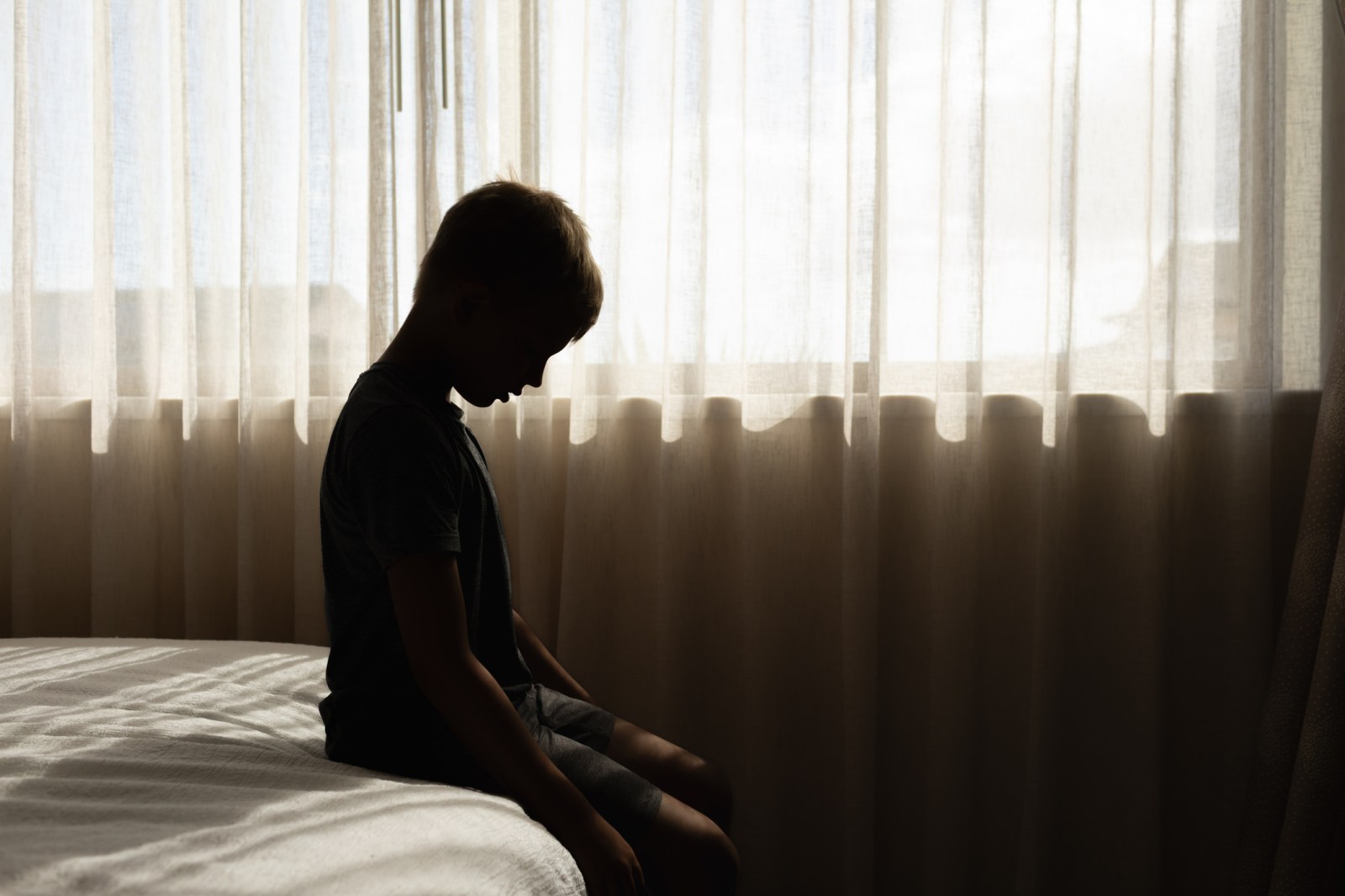
Many parents believe they would easily detect depression in their child, thinking that sadness would be the main indicator. However, according to clinical psychologist Dr. Carolyn Spiro, depression in younger individuals often presents differently than in adults.
Understanding Depression in Children and Teens
Dr. Spiro, who focuses on child and adolescent mental health, spoke to Newsweek about signs parents should watch for. ‘Depression can present quite differently in children and teens than it does in adults,’ she explained.
According to the CDC, about 1 in 5 children between the ages of 3 and 17 were diagnosed with a mental, emotional, or behavioral health condition in 2021.
Irritability: A Key Indicator
Dr. Spiro, based in New York, noted that irritability can be a major sign of depression in young people, instead of sadness. ‘One of the most critical signs is a change in mood or behavior,’ she said. For instance, an easy-going child becoming cranky, oppositional, overly tearful, or reacting disproportionately to daily situations may be concerning.
With experience from NYU’s Child Study Center and her own practice, Spiro lists several signs that may indicate depression.
Warning Signs Parents Should Notice
- Withdrawal from friends or isolation.
- Losing interest in previously enjoyable activities like biking or drawing.
- Slower movement or speech.
- Fatigue or low energy levels.
- Changes in sleeping patterns, either poor sleep or excessive sleep.
- Significant changes in eating habits.
- Concentration difficulties.
- Less motivation in school.
- Decline in academic performance.
- Using alcohol or drugs, particularly in older children and teens.
When to Seek Help
Spiro emphasizes that occasional mood swings are normal for children and teenagers. However, the persistence of symptoms is crucial for concern. ‘Symptoms must typically be present for at least two weeks for a depression diagnosis, but parents should not delay in seeking professional guidance if worried,’ she explained.
Seek help if symptoms cause distress, interfere with school or relationships, or if the child expresses hopelessness or desires to die. Early intervention can significantly affect treatment outcomes, Dr. Spiro noted.
Editors of this article: Charlotte Nisbet and Emma Lee-Sang.
Leave a Reply